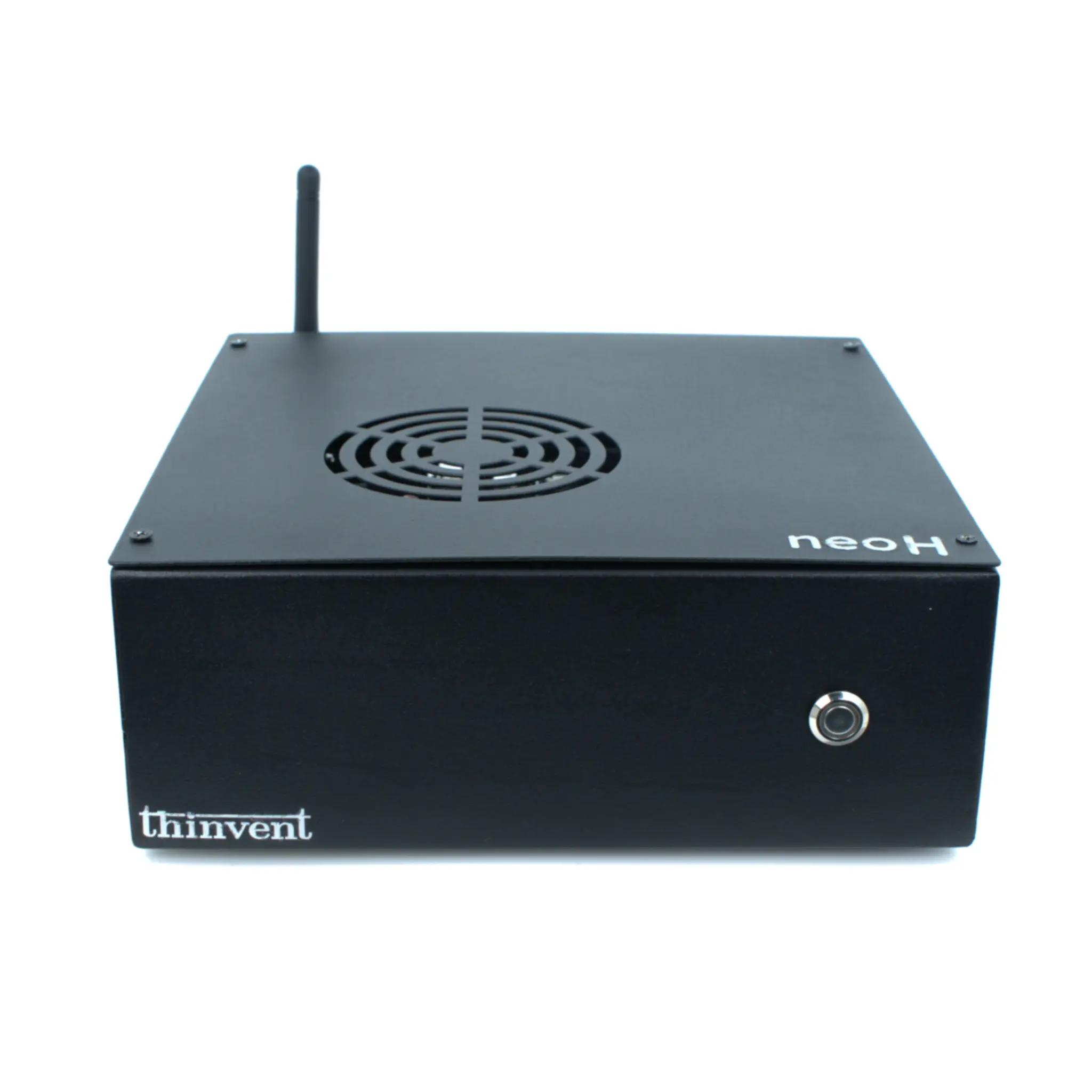
A "thin Raspberry Pi" typically refers to a compact, low-power, and fanless computing device designed for embedded systems, IoT projects, and space-constrained environments. While the Raspberry Pi is a popular single-board computer (SBC) based on ARM architecture, industrial users often seek more robust, x86-based alternatives that offer greater performance, wider software compatibility, and enhanced reliability for commercial deployments. These industrial-grade mini PCs provide a professional solution for applications requiring silent operation, extended temperature ranges, and long-term availability.
Key Specifications and Technical Details
Industrial mini PCs serving as Raspberry Pi alternatives are characterized by several core features. They utilize efficient, low-TDP processors from Intel's N-series (like the N100) or similar, which offer a balance of performance and minimal heat generation, enabling completely fanless designs. Standard configurations include soldered DDR4 or DDR5 RAM (typically 4GB to 16GB), embedded eMMC or M.2 SSD storage, and a rich set of I/O ports such as multiple USB, HDMI, Ethernet, and often COM ports for serial device connectivity. Their compact form factors, often smaller than a traditional desktop, make them ideal for mounting behind monitors or in control cabinets.
Use Cases and Applications
These devices excel in scenarios where a standard Raspberry Pi might be underpowered or lack necessary industrial certifications. Common applications include:
-
Digital Signage & Kiosks: Driving displays in retail, hospitality, and public spaces with reliable, always-on operation.
-
IoT Gateways: Aggregating data from sensors and peripherals in smart factories, agriculture, and building automation.
-
Thin Clients & Desktop Virtualization: Providing secure, manageable endpoints for accessing cloud or virtual desktop infrastructure.
-
Edge Computing: Processing data locally in robotics, machine vision, and automation to reduce latency and bandwidth.
-
Embedded Systems: Serving as the core controller in medical devices, transportation systems, and point-of-sale terminals.
Comparison: Raspberry Pi vs. Industrial Mini PC
| Feature | Raspberry Pi (Typical) | Industrial Mini PC (x86-based) |
|---|---|---|
| Architecture | ARM | x86 (Intel/AMD) |
| Performance | Sufficient for hobbyist & light tasks | Higher, suitable for multi-tasking & heavier workloads |
| OS Compatibility | Linux-based (Raspberry Pi OS), limited Windows | Full Windows, Linux distributions, real-time OS |
| I/O & Expansion | GPIO pins, limited standard ports | Multiple USB, COM, Ethernet; expansion via M.2/PCIe |
| Robustness | Consumer-grade, limited temperature range | Industrial-grade, wider operating temperature, fanless |
| Longevity | Consumer product lifecycle | Long-term availability & support (5-7+ years) |
| Use Case | Education, prototyping, hobbyist projects | Commercial, industrial, and embedded deployments |
Thinvent's Industrial-Grade Mini PCs
Thinvent offers a range of robust, fanless mini PCs designed to meet the demands of professional and industrial environments where a "thin" Raspberry Pi-like form factor is required, but with enterprise-level performance and reliability. Our Aero series, for example, features Intel N-series processors in an ultra-compact chassis, providing silent operation, low power consumption, and flexible connectivity options. These systems are pre-configured with your choice of operating system—including Windows, Ubuntu Linux, or our custom Thinux™ embedded platform—and are built for 24/7 operation in diverse settings, from digital signage and kiosks to IoT edge gateways and thin client solutions.