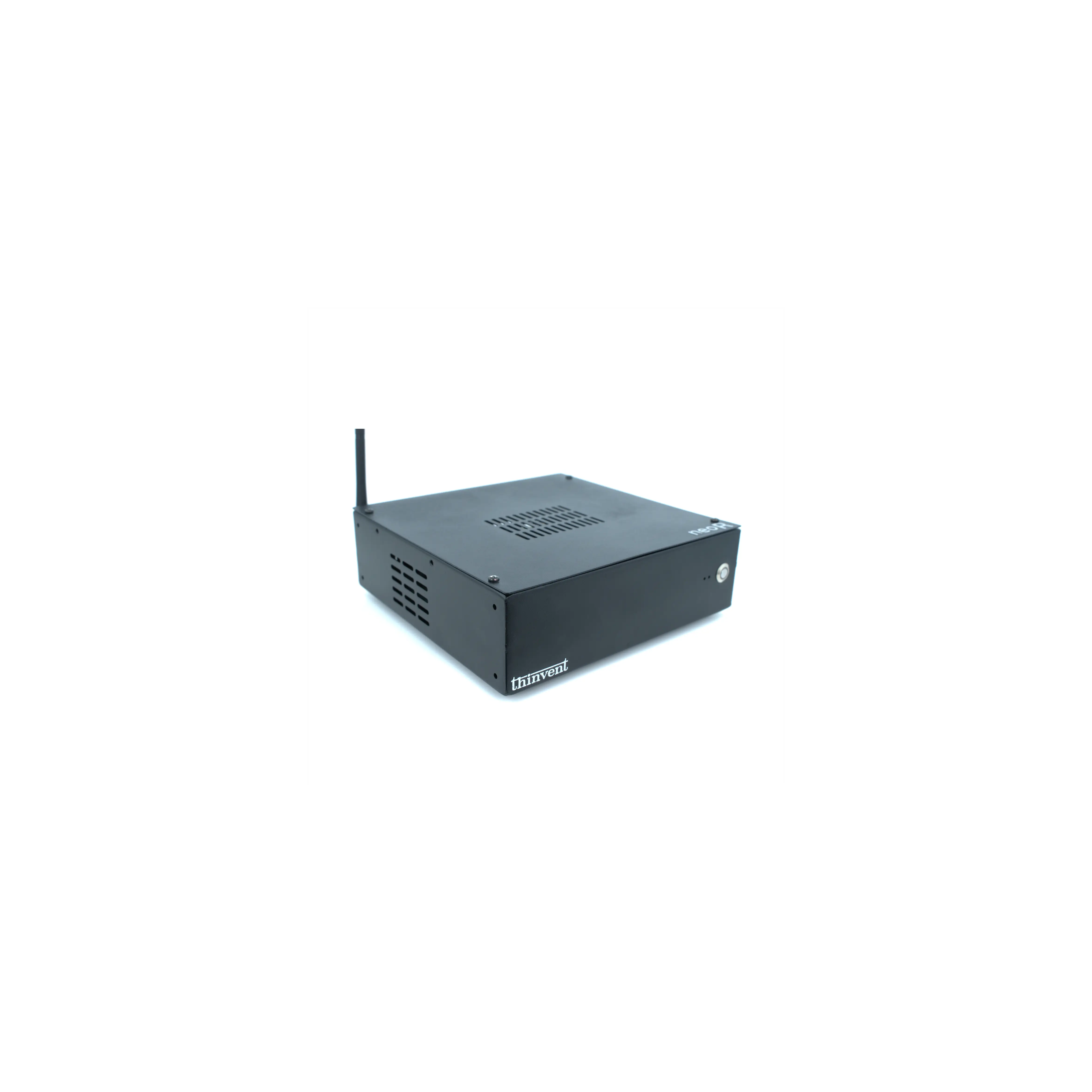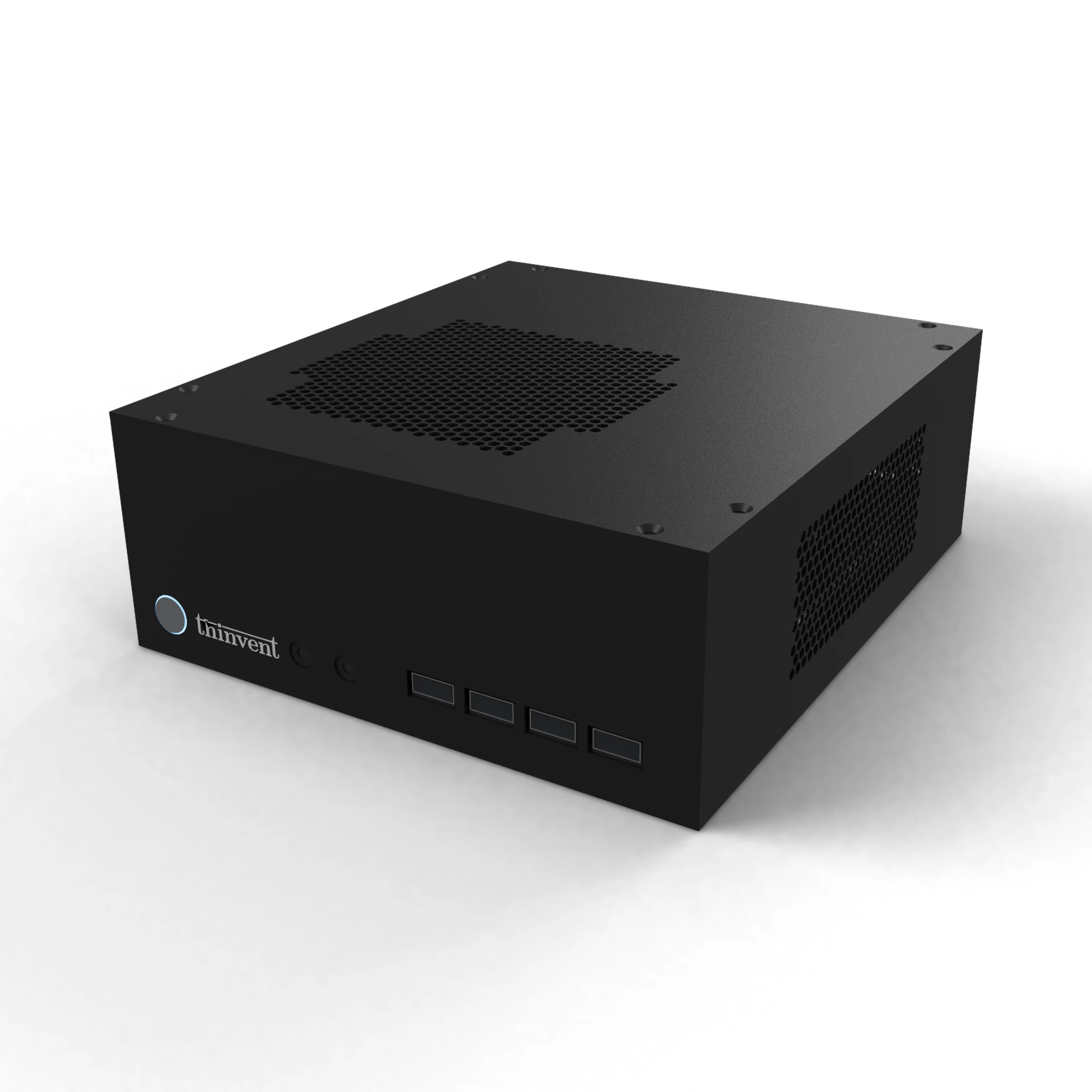
What are Compact Mini PCs?
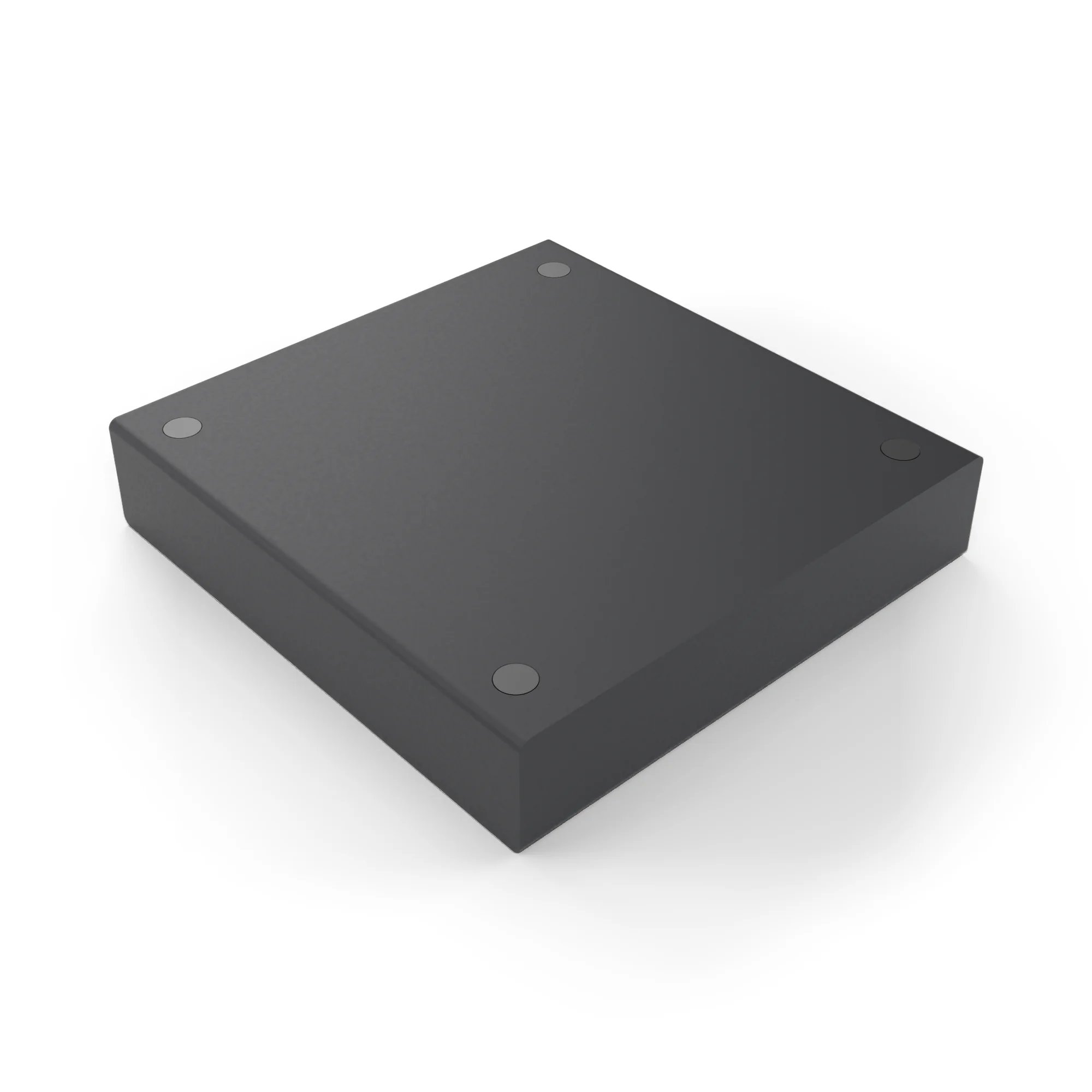
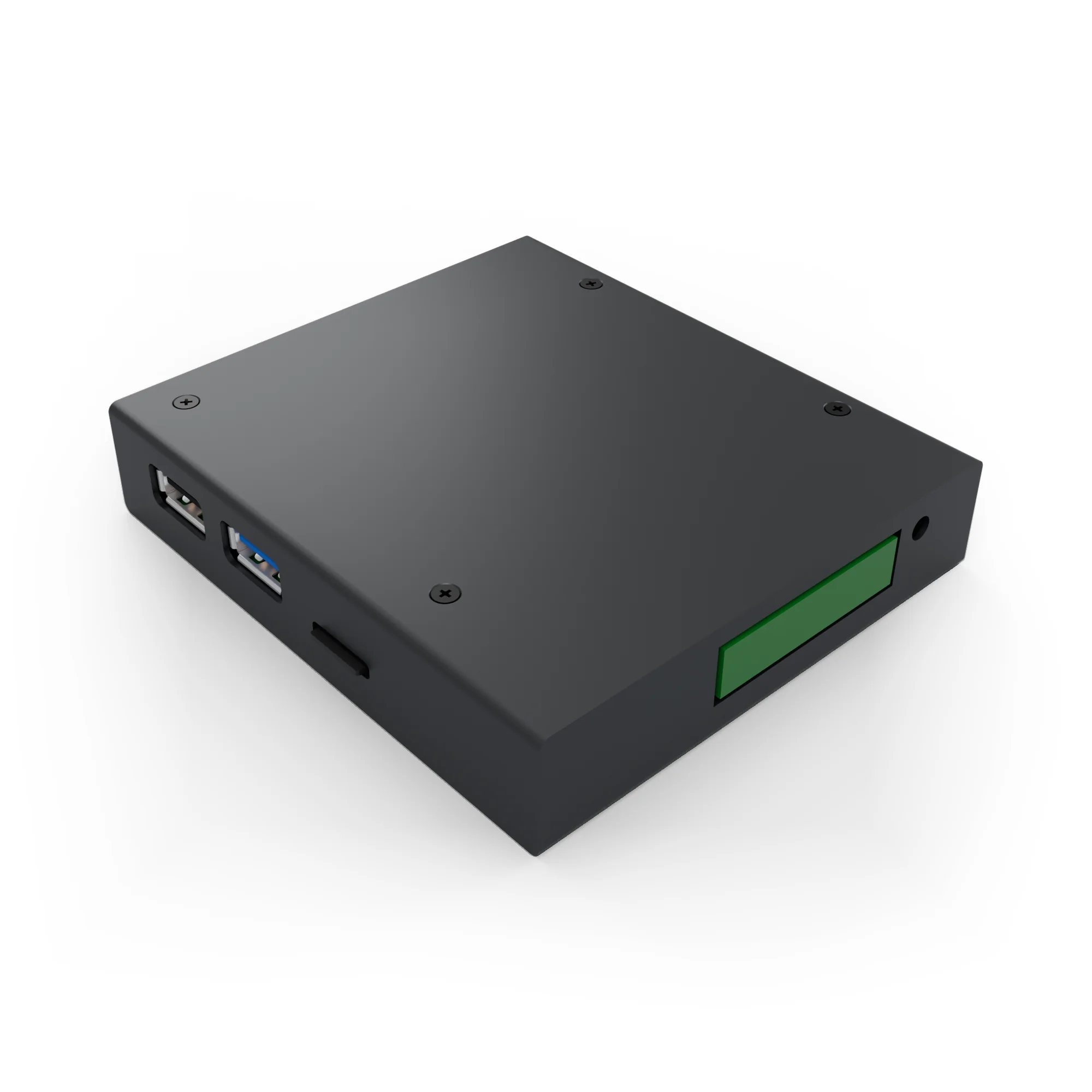
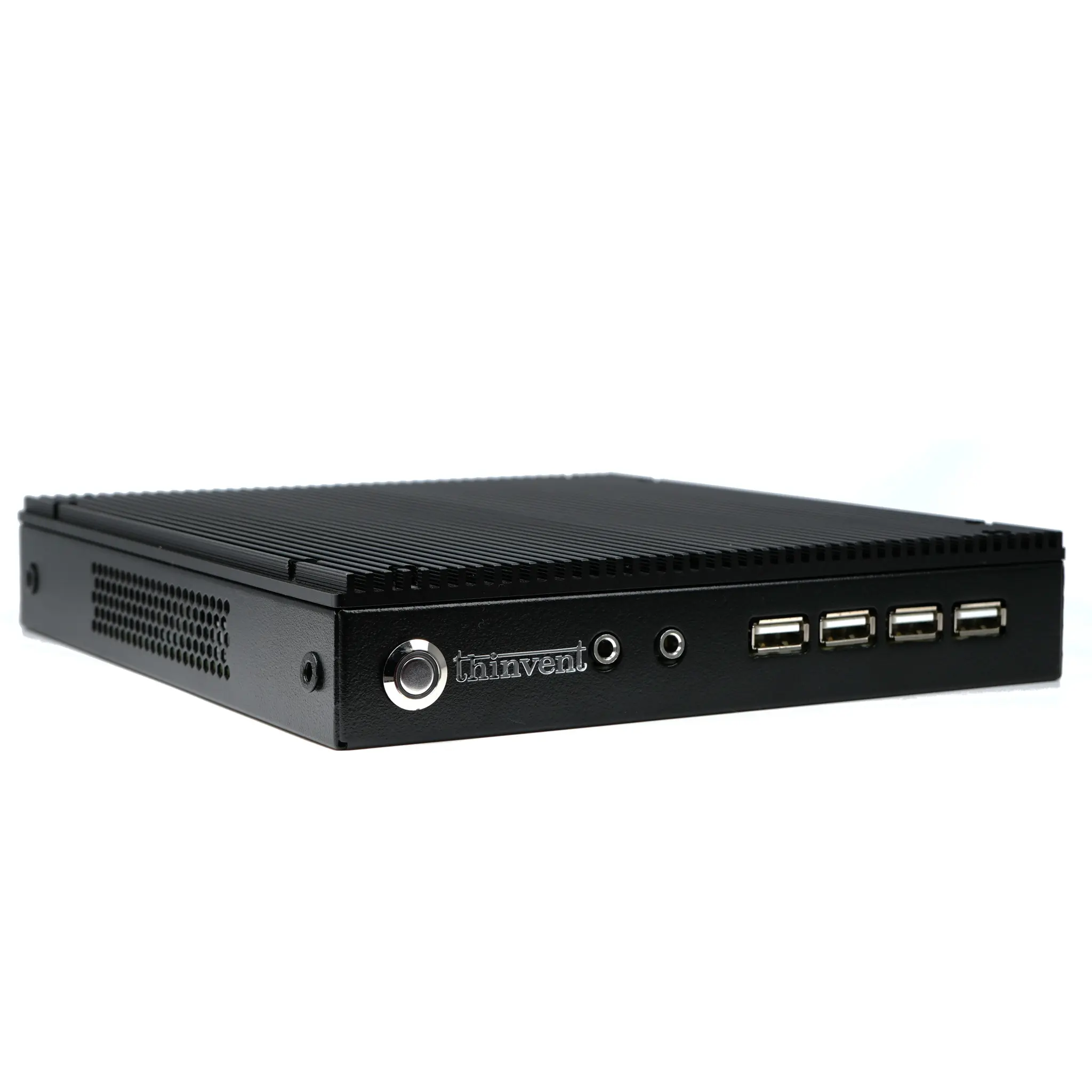
Compact Mini PCs are small-form-factor computers designed to deliver reliable computing power in a space-saving and energy-efficient package. They are engineered to meet the demands of modern business environments and challenging industrial settings, offering a versatile alternative to traditional desktop towers. These systems prioritize durability, low power consumption, and quiet, often fanless, operation, making them ideal for deployment in offices, retail kiosks, digital signage, factory floors, and other embedded applications.
Key Specifications and Technical Details
The performance spectrum of compact mini PCs is broad, catering to different needs. On the efficient, low-power end, ARM-based systems like the Cortex A53 and A55 processors offer excellent performance-per-watt, with onboard RAM and eMMC storage, perfect for lightweight computing and thin client scenarios. For more demanding tasks, Intel-based platforms are available, ranging from the efficient Intel Processor N100 (up to 3.4 GHz) for general office use to powerful Intel Core i3, i5, and even 14th Gen Core 5 processors (up to 5.0 GHz) for industrial automation and data processing. Key features across models include multiple RAM and SSD storage configurations, various operating system options (Thinux™ Embedded Linux, Ubuntu Linux, Windows 11 IoT/Pro), and flexible power adapters (5V to 12V).
Use Cases and Applications
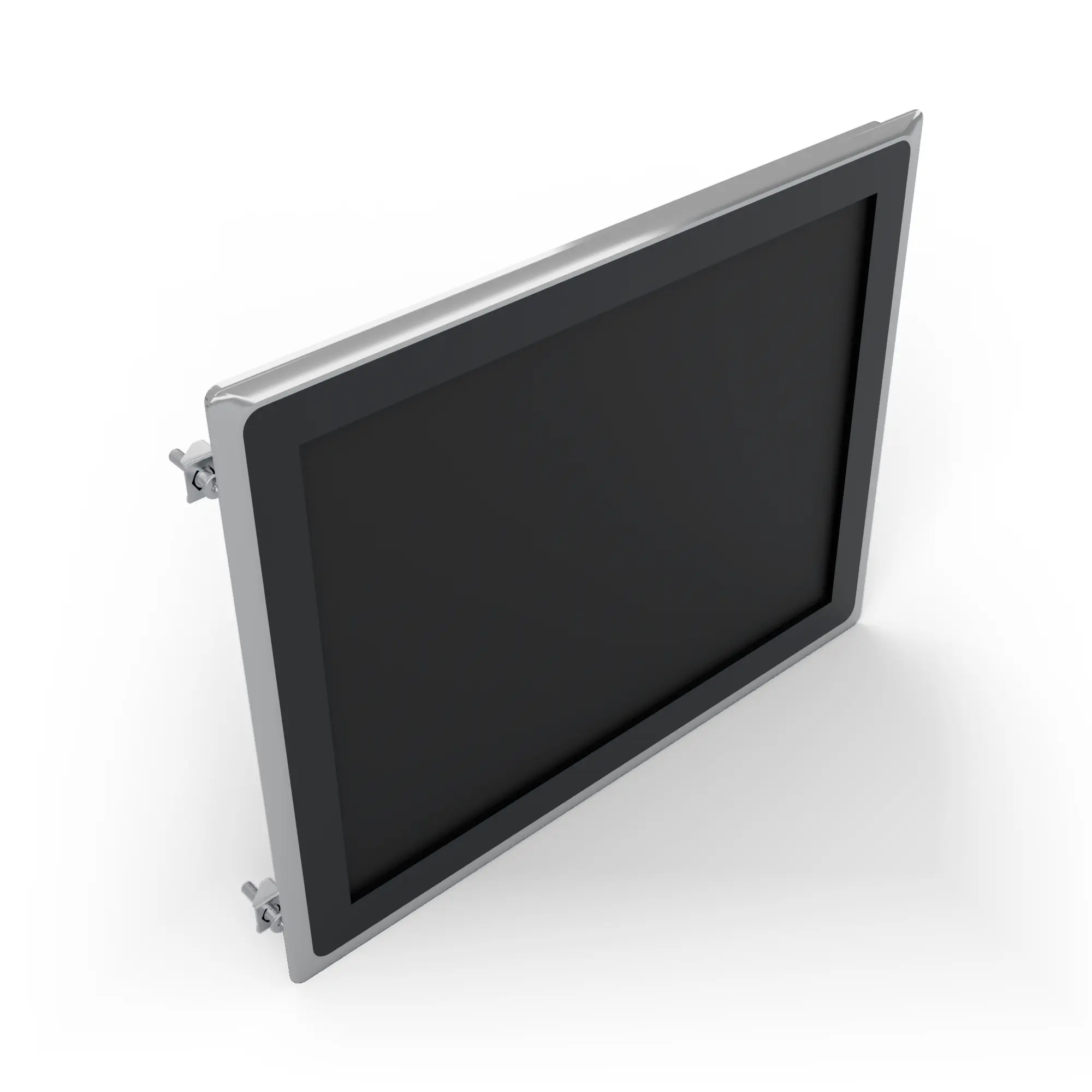
These compact powerhouses are deployed in diverse scenarios. In business environments, they serve as efficient workstations for office productivity, point-of-sale (POS) terminals, and video conferencing systems. Their small size allows for discreet placement behind monitors or under desks. In industrial and commercial settings, their rugged design and reliable operation make them perfect for digital signage, interactive kiosks, factory machine control, IoT gateways, and surveillance systems. The fanless models are particularly valuable in dusty or noisy environments where maintenance and silence are critical.
Comparison of Common Mini PC Platforms
| Feature | ARM-Based (e.g., Cortex A55) | Intel Efficient (e.g., N100) | Intel Performance (e.g., Core i5) |
|---|---|---|---|
| Primary Use | Thin clients, lightweight computing, kiosks | General office, basic productivity, digital signage | Industrial automation, data processing, demanding applications |
| Power Consumption | Very Low (5V adapter) | Low | Moderate to High |
| Typical Cooling | Fanless (passive) | Often Fanless | May include active cooling |
| OS Flexibility | Embedded Linux, Android | Linux, Windows IoT/Pro | Full Windows, Linux distributions |
| Performance Profile | High efficiency, lower raw compute | Balanced performance & efficiency | High raw computing power |
Thinvent's Range of Compact Mini PCs
Thinvent offers a comprehensive portfolio of compact mini PCs designed to cover every business and industrial need. Our lineup includes the ultra-efficient Micro series with ARM processors for cost-effective and power-sipping thin client solutions. The Treo and IPC series feature Intel processors like the N100 and Core i3/i5, providing a balance of performance and reliability for mainstream commercial and light industrial tasks. For the most demanding applications, our Aero and high-end IPC models are equipped with powerful Intel Core processors (up to 14th Gen) and ample RAM/SSD storage, capable of handling complex industrial automation, edge computing, and high-performance workstation duties. All Thinvent mini PCs are built with durability in mind, offering options for fanless cooling, VESA mounting, and a choice of robust operating systems to ensure seamless integration and long-term reliability in your specific environment.