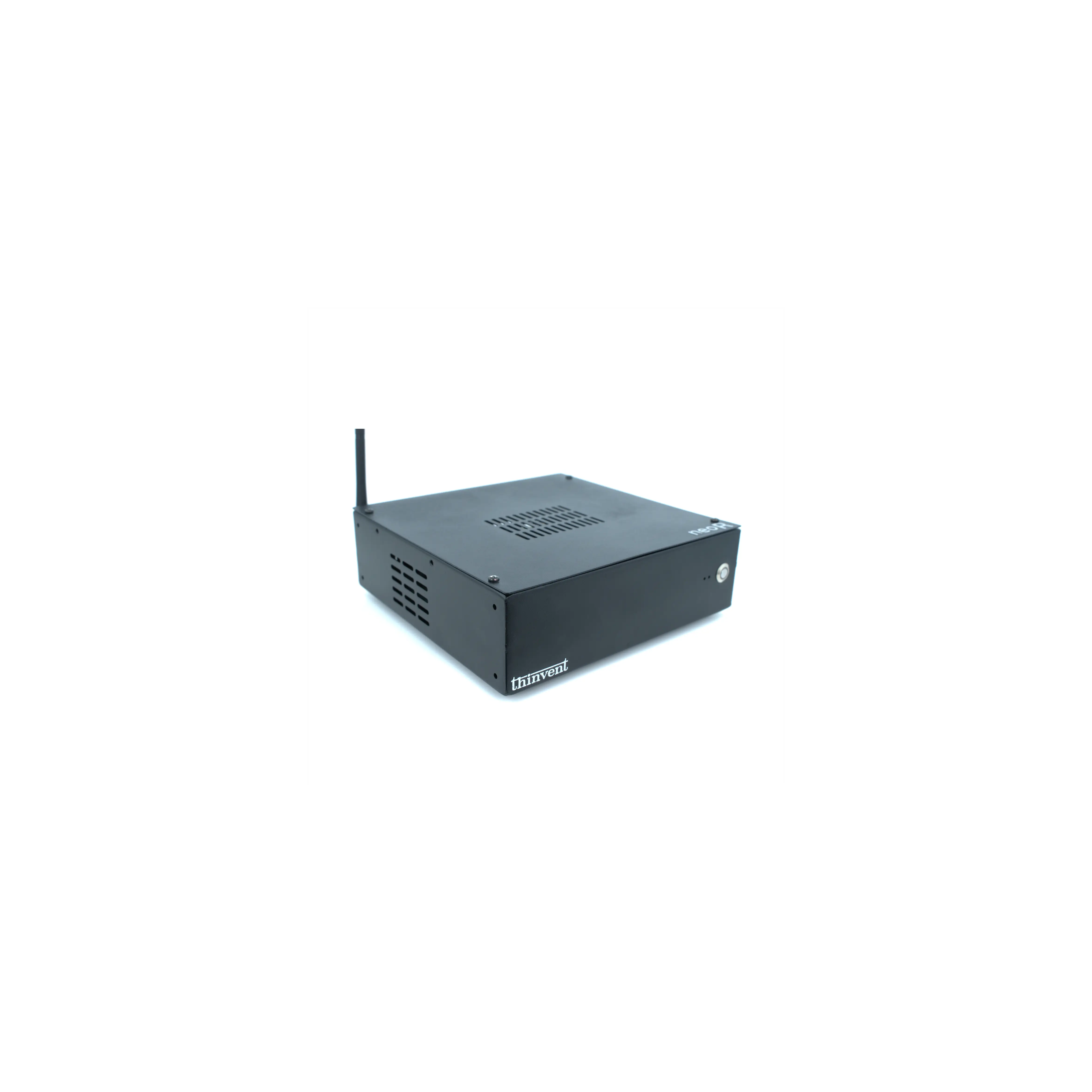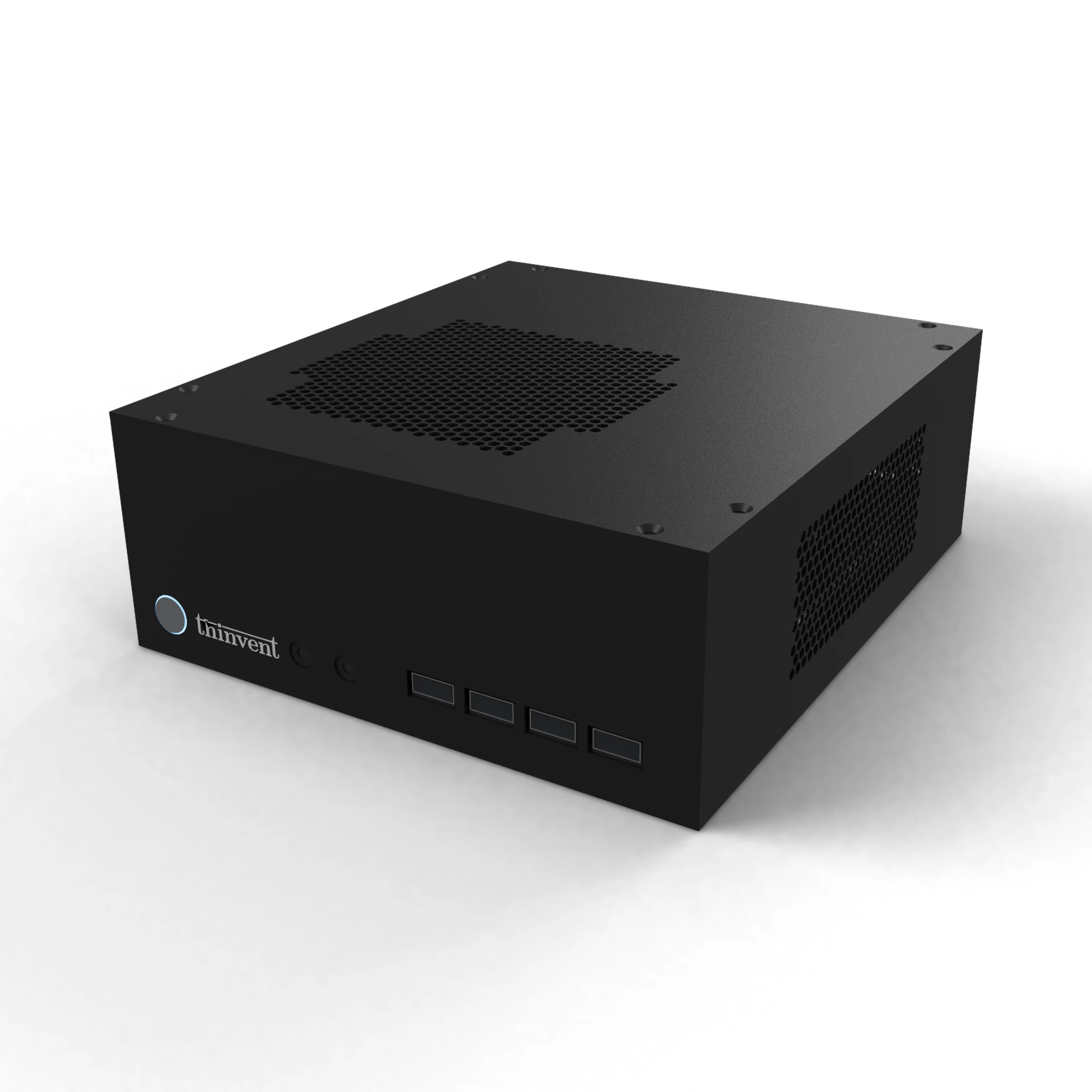
What Are Compact Mini PCs?
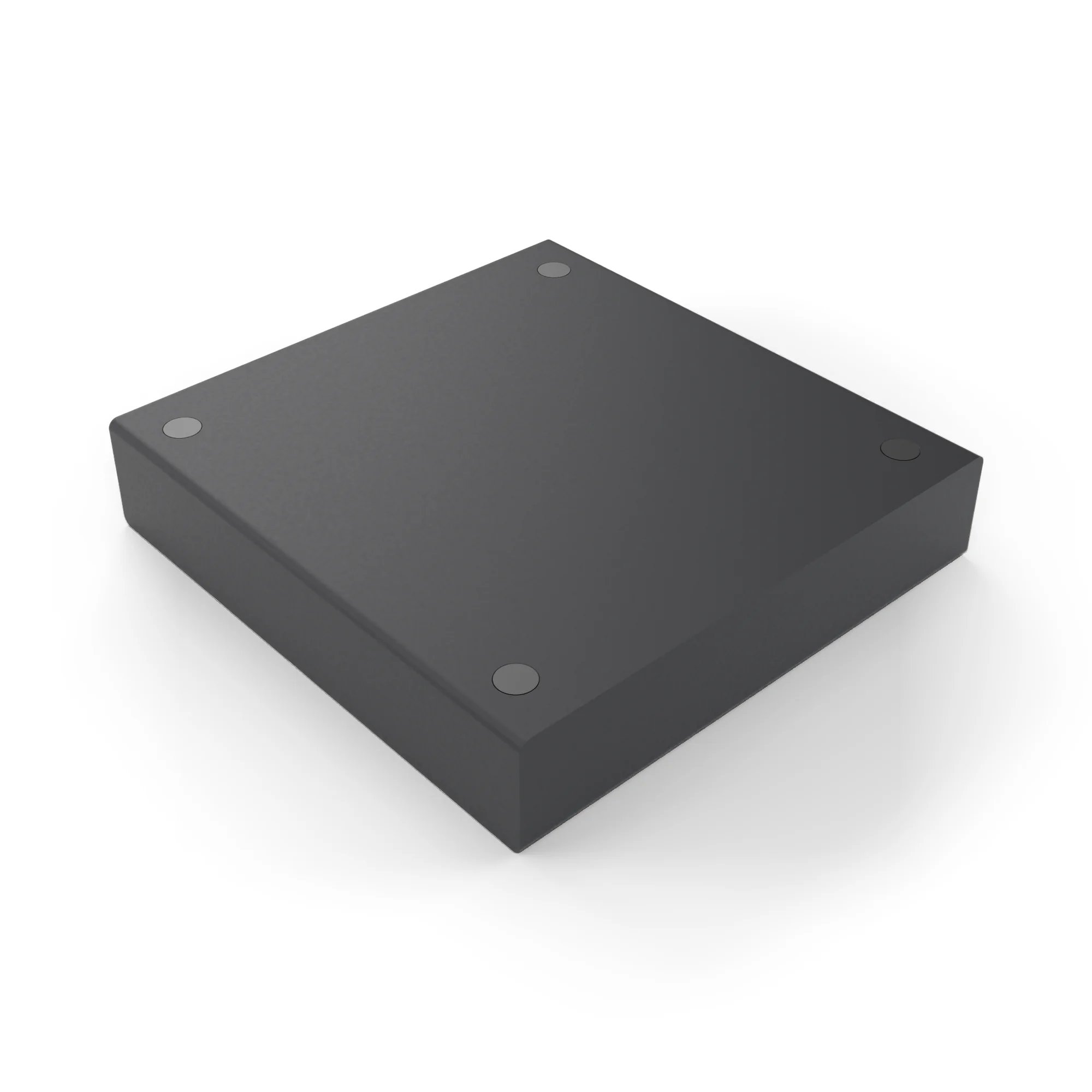
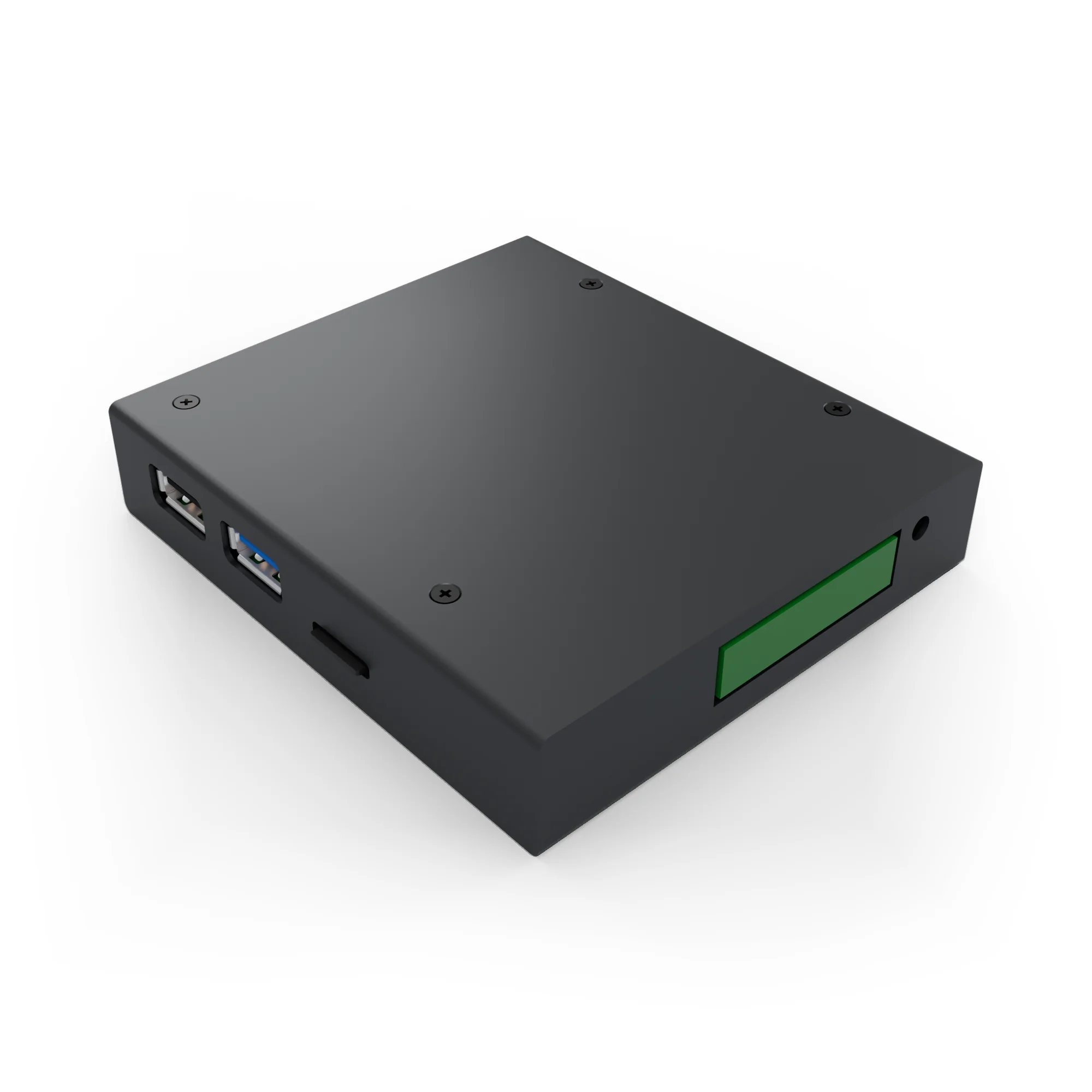
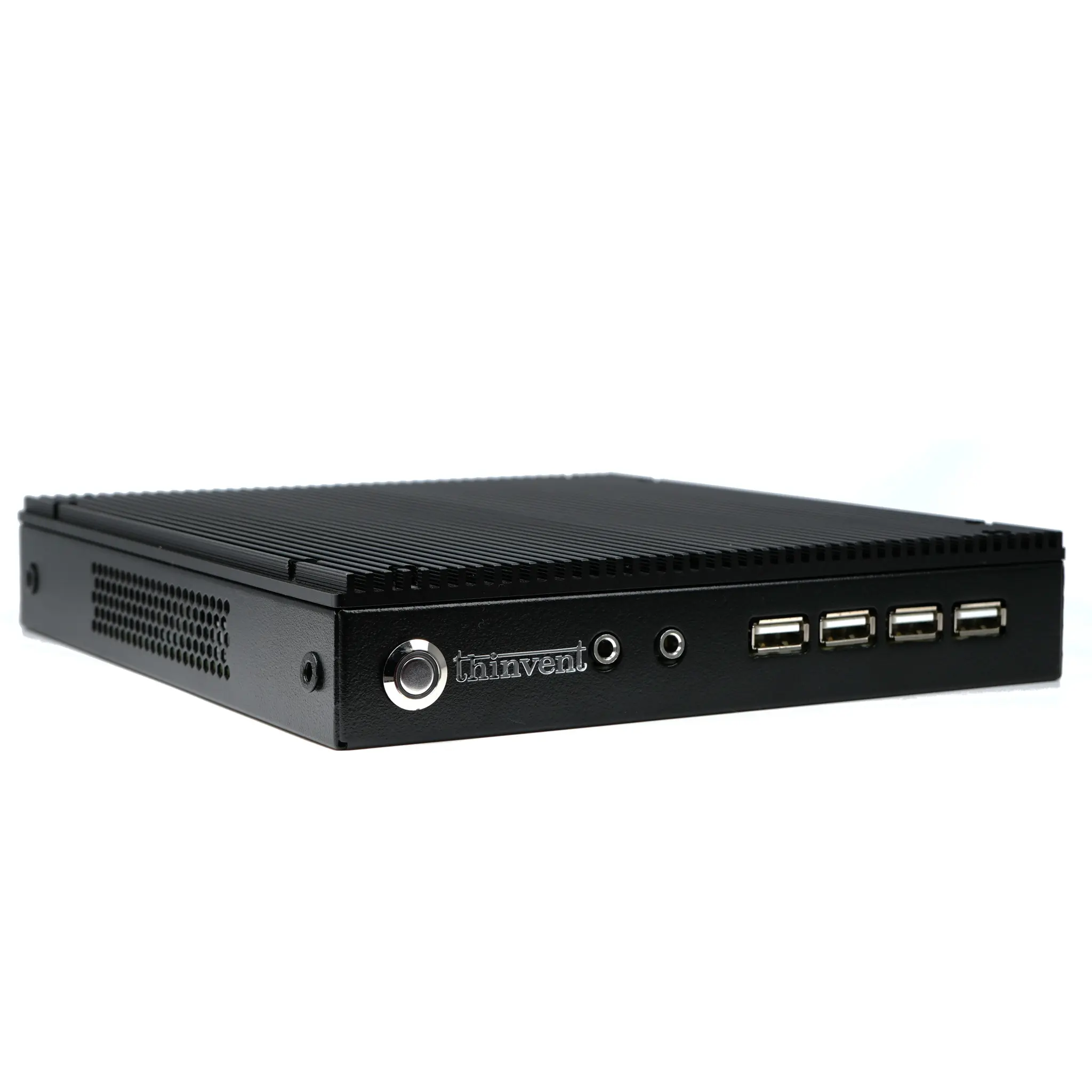
Compact Mini PCs are small-form-factor desktop computers designed to deliver essential computing power while occupying minimal space. These systems are engineered for reliability and efficiency, making them ideal for environments where a traditional tower PC is impractical. They typically feature modern, low-power processors, solid-state storage, and versatile connectivity options, all housed in a chassis that can be mounted behind a monitor or in confined spaces. Their design prioritizes silent operation, often utilizing fanless cooling for dust resistance and longevity, which is critical for 24/7 industrial applications.
Key Specifications and Technical Details
The core of these compact systems is often an efficient processor like the Intel® N100, a 4-core, 12th Gen chip with a max frequency of 3.4 GHz and 6 MB cache. This provides ample performance for everyday business tasks and light industrial workloads. Standard configurations include 16GB of DDR4 RAM for smooth multitasking and a 128GB SSD for fast boot times and responsive application loading. Power is supplied via an efficient 12V adapter. A key feature is the availability of multiple operating system options, including Windows 11 IoT/Pro, DOS, Ubuntu Linux, and Thinux™ Embedded Linux, allowing for customization based on software requirements and security needs.
Use Cases and Applications
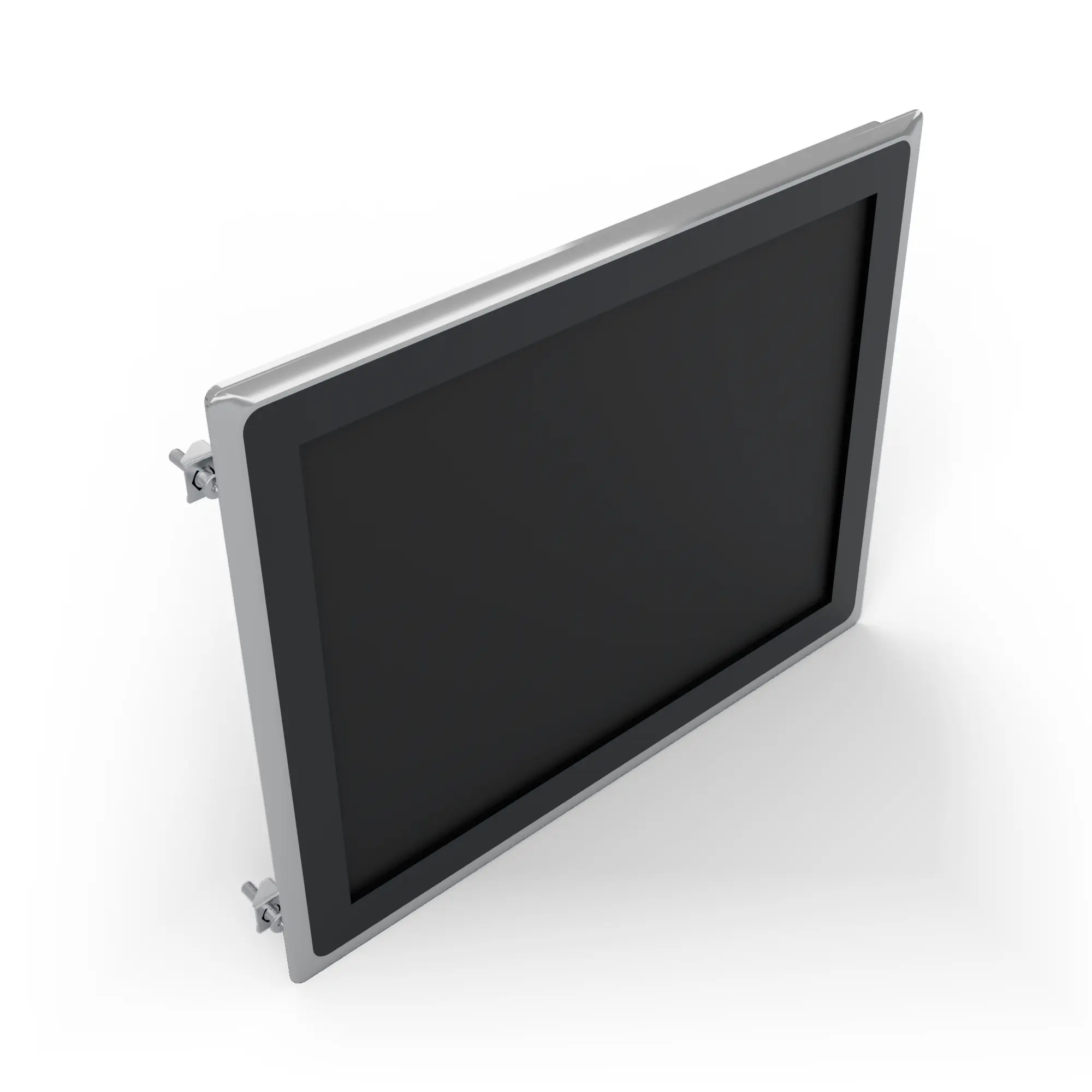
These compact PCs are versatile solutions for various professional settings. In business environments, they serve as space-saving desktops for office productivity, digital signage players, and point-of-sale (POS) terminals. Their industrial-grade durability makes them perfect for factory floor HMIs (Human-Machine Interfaces), kiosks, and control systems in manufacturing. The fanless, compact design is also excellent for embedded applications in retail, healthcare (for information displays), and thin client setups in virtual desktop infrastructure (VDI), ensuring reliable operation in dusty or vibration-prone locations.
Operating System Comparison
A significant advantage of modern compact mini PCs is the flexibility in software. Here’s a comparison of common OS options:
| Operating System | Best For | Key Characteristics |
|---|---|---|
| Windows 11 Pro | General Business Use | Full desktop OS, broad software/hardware compatibility, familiar interface. |
| Windows 11 IoT | Dedicated Devices & Kiosks | Long-term service channel, enhanced lockdown features for fixed-function devices. |
| Ubuntu Linux | Development & Open-Source Stacks | Free, secure, highly customizable, ideal for software development and servers. |
| Thinux™ Embedded Linux | Industrial & Embedded Systems | Lightweight, secure, stable base for custom applications in demanding environments. |
| Free DOS | Custom OS Installation | Provides a bare-bones platform for installing a preferred or proprietary OS. |
Thinvent Compact Mini PCs
Thinvent offers a robust range of compact mini PCs, exemplified by the Aero Mini PC series, designed specifically for business and industrial durability. These systems leverage the efficient Intel N100 processor and are built with a fanless design for silent, maintenance-free operation. Thinvent provides exceptional configuration flexibility, allowing customers to choose the ideal combination of RAM, storage, and—critically—operating system to match their exact project needs, from a Windows-based office workstation to a Linux-driven industrial controller. This focus on reliable hardware and software choice ensures a perfect fit for global deployments in diverse professional and industrial settings.