What Are Compact Mini PCs?
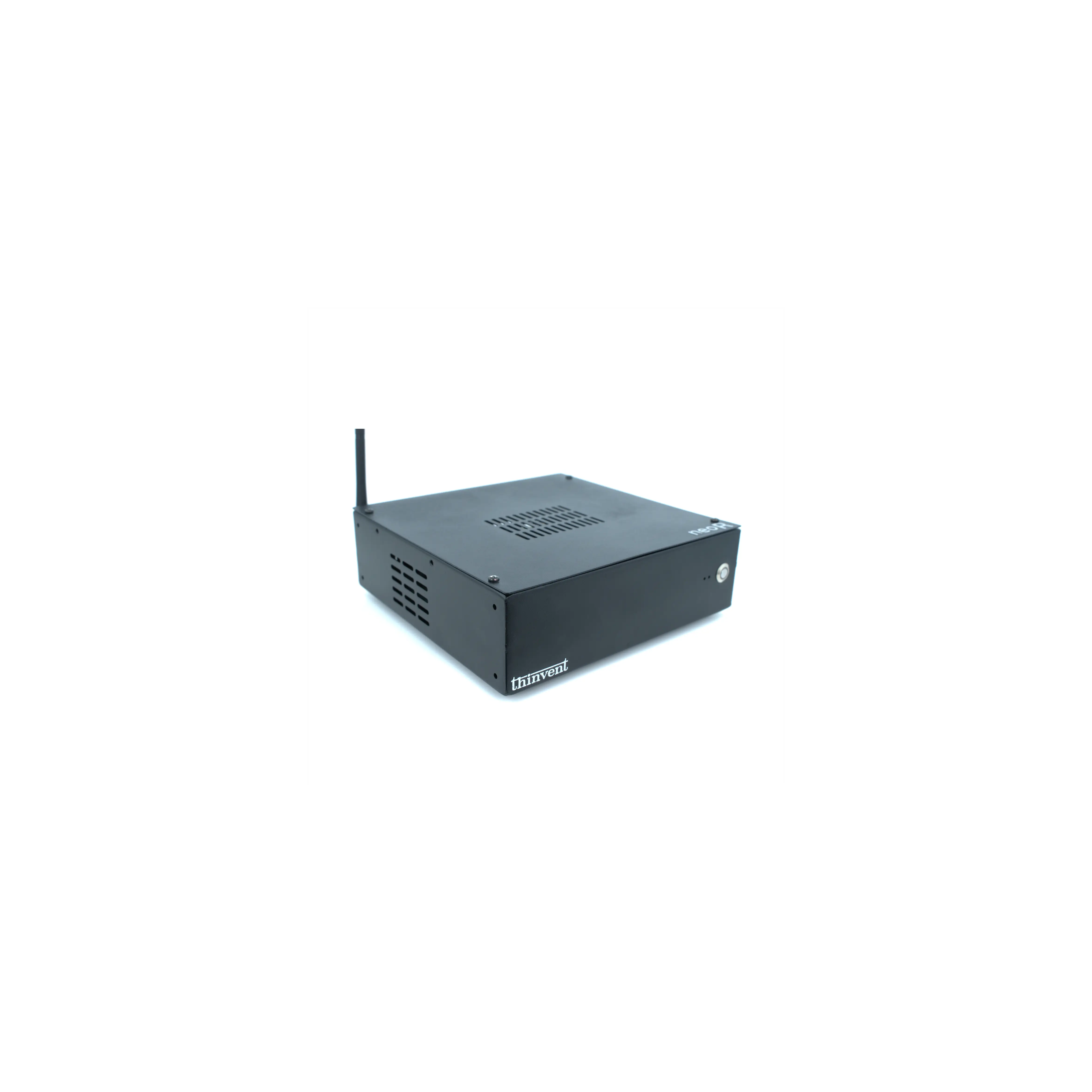
Compact Mini PCs are small-form-factor computers designed to deliver full computing functionality while occupying minimal space and consuming less power than traditional desktop towers. They integrate the core components—processor, memory, storage, and connectivity—into a chassis often no larger than a book. These devices are engineered for efficiency, reliability, and versatility, making them ideal for environments where space, energy consumption, and quiet operation are critical considerations. They bridge the gap between the limited capabilities of thin clients and the bulk of standard desktops.
Key Specifications and Technical Advantages
Modern compact Mini PCs come with a range of hardware configurations to suit different performance needs. They typically feature efficient processors from ARM (like Cortex A53/A55) or Intel (including Core i-series, N-series, and newer Core Ultra platforms), paired with onboard RAM and fast eMMC or SSD storage. Key technical advantages include:
-
Fanless Design: Many models operate without cooling fans, enabling completely silent operation and higher reliability due to fewer moving parts.
-
Low Power Consumption: They often use 5V-12V adapters, significantly reducing energy costs and heat output.
-
Rich Connectivity: Standard features include HDMI outputs, USB ports, and options for dual-band Wi-Fi, supporting various peripherals and displays.
-
Flexible OS Support: They can run lightweight embedded Linux (like Thinux™), Ubuntu, or full-fledged Windows 11 IoT/Pro, offering software flexibility.
Ideal Use Cases and Applications
The compact and efficient nature of these Mini PCs makes them suitable for a wide array of professional and commercial applications:
-
Digital Signage & Kiosks: Powering displays in retail, hospitality, and public information points due to their small size and reliability.
-
Office Productivity: Serving as space-saving desktops for general office tasks, web browsing, and document processing.
-
Industrial Automation: Functioning as control units in manufacturing and logistics, where their fanless design withstands dusty environments.
-
Thin Client & VDI Endpoints: Acting as access points for virtual desktop infrastructures, leveraging their low power draw and network connectivity.
-
Home Entertainment & IoT Hubs: Media playback or managing smart home devices quietly in living spaces.
Comparison of Common Mini PC Platforms
| Feature | ARM-Based Mini PCs (e.g., Cortex A55) | Intel N-Series Mini PCs (e.g., N100) | Intel Core i-Series Mini PCs (e.g., i3-1215U, i5-1240P) |
|---|---|---|---|
| Primary Use | Lightweight computing, thin client, digital signage | Balanced performance for office apps, media, entry-level tasks | High-performance computing, multitasking, professional workloads |
| Power Efficiency | Very High | High | Moderate to High |
| Typical OS | Embedded Linux (Thinux™), Android | Linux, Windows 11 | Windows 11 Pro, Linux |
| Ideal For | Cost-sensitive, always-on applications | General-purpose compact computing | Demanding business software, graphics, data processing |
Thinvent's Range of Compact Mini PCs
Thinvent offers a comprehensive portfolio of compact and efficient Mini PCs designed for modern computing challenges. Our lineup includes the ultra-efficient Micro series with ARM processors for lightweight and fanless operations, the versatile Treo and IPC series featuring Intel N100 and Core processors for balanced performance, and the powerful Aero and IPC series with Intel Core i3, i5, and newer generation processors for demanding professional tasks. Whether you need a silent digital signage player, a robust industrial computer, or a powerful yet compact office workstation, Thinvent provides reliable, fanless or actively cooled solutions with flexible operating system options to meet diverse global requirements.