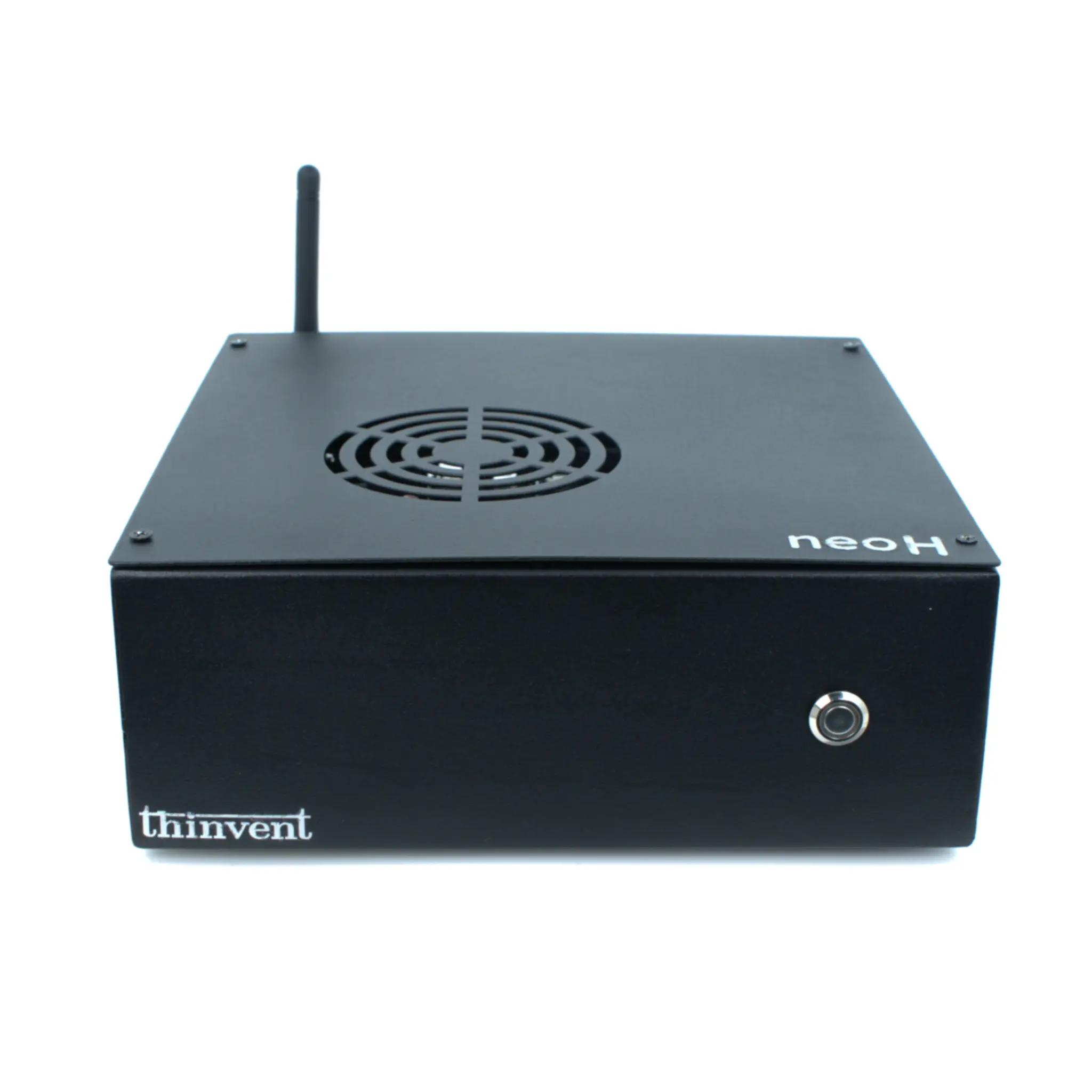
What is a Thin Client?
A Thin Client is a lightweight, network-dependent computer designed primarily to connect to a centralized server or cloud environment where the actual computing and data storage occurs. Unlike traditional desktop PCs, thin clients have minimal local processing power, storage, and software. Their core function is to provide a secure, reliable, and energy-efficient endpoint for accessing virtual desktops, applications, and data hosted on a server. This architecture, often used with protocols like RDP, Citrix, or VMware, is central to Virtual Desktop Infrastructure (VDI) and desktop-as-a-service (DaaS) solutions.
Key Specifications and Technical Details
Modern thin clients are compact, fanless devices built for 24/7 operation. Key specifications focus on reliable connectivity and efficient performance for display streaming. Essential components include:
-
Low-Power Processors: Intel Celeron or Atom series (e.g., N100, J4125) or ARM-based chips that provide ample power for decoding remote sessions while minimizing heat and power consumption.
-
Adequate Memory: Typically 4GB to 8GB of RAM is sufficient for smooth operation of the client OS and connection software.
-
Minimal Local Storage: Small-capacity SSDs (128GB or less) or even eMMC storage are common, as the operating system and applications are often streamed or run from the server.
-
Robust Connectivity: Multiple Gigabit Ethernet ports for a stable, wired network connection are critical. Display outputs (HDMI, DisplayPort) and USB ports for peripherals are standard.
-
Client Software: Devices come pre-configured with a thin client operating system (like ThinLinux, Windows IoT, or a customized Linux build) or can be configured to run connection broker software.
Use Cases and Applications
Thin clients are ideal for environments requiring centralized management, security, and cost-effective deployment.
-
Corporate VDI: Providing standardized desktops to employees in call centers, offices, and banks, ensuring data security and easy software updates from a central location.
-
Education: Deploying in computer labs and libraries, allowing students to access personalized desktops and educational software from any terminal.
-
Healthcare: Used at nursing stations and for medical chart access, where data security (PHI compliance) and reliability are paramount.
-
Manufacturing & Retail: As point-of-sale (POS) terminals or kiosks, running a single application interface connected to a central server.
-
Remote Work: Enabling secure access to corporate networks and virtual desktops for remote employees using a simple, company-managed device.
Comparison: Thin Client vs. Traditional Desktop
| Feature | Thin Client | Traditional Desktop PC |
|---|---|---|
| Primary Role | Network endpoint for accessing remote resources | Local processing and storage |
| Hardware | Minimal, low-power, often fanless | Powerful CPU, GPU, large storage |
| Total Cost of Ownership | Lower (less hardware, centralized management, lower energy use) | Higher (individual hardware, software licenses, IT support) |
| Security | High (no local data storage, centralized control) | Variable (data resides on device, requires endpoint security) |
| Management | Centralized, easy to deploy and update images | Individual, requires on-site or remote management per device |
| Performance Dependency | Network latency and server capacity | Local hardware specifications |
| Ideal For | Task workers, standardized environments, secure access | Power users, graphics work, offline applications |
Thinvent Thin Client Solutions
Thinvent offers a range of robust, industrial-grade thin clients perfect for demanding VDI and remote desktop environments. Our devices, like the Aero Mini PC series, are engineered for reliability with fanless, solid-state designs that ensure silent operation and longevity in 24/7 settings. They support a variety of client operating systems, including Windows 11 IoT, Ubuntu Linux, and our own Thinux™ Embedded Linux, providing flexibility for your specific infrastructure. Built with industrial components and featuring multiple connectivity options, Thinvent thin clients deliver a secure, manageable, and cost-effective endpoint solution for businesses worldwide.