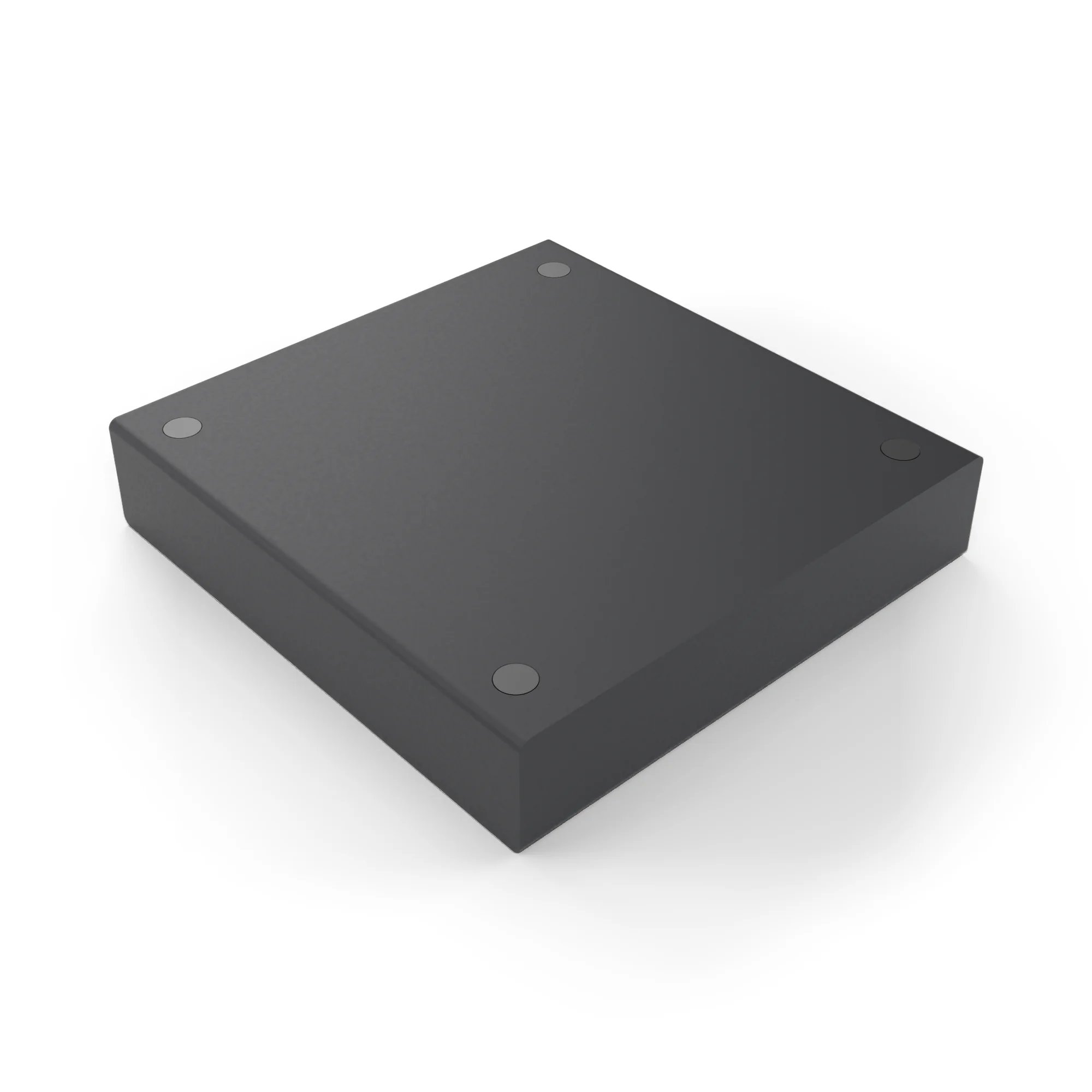
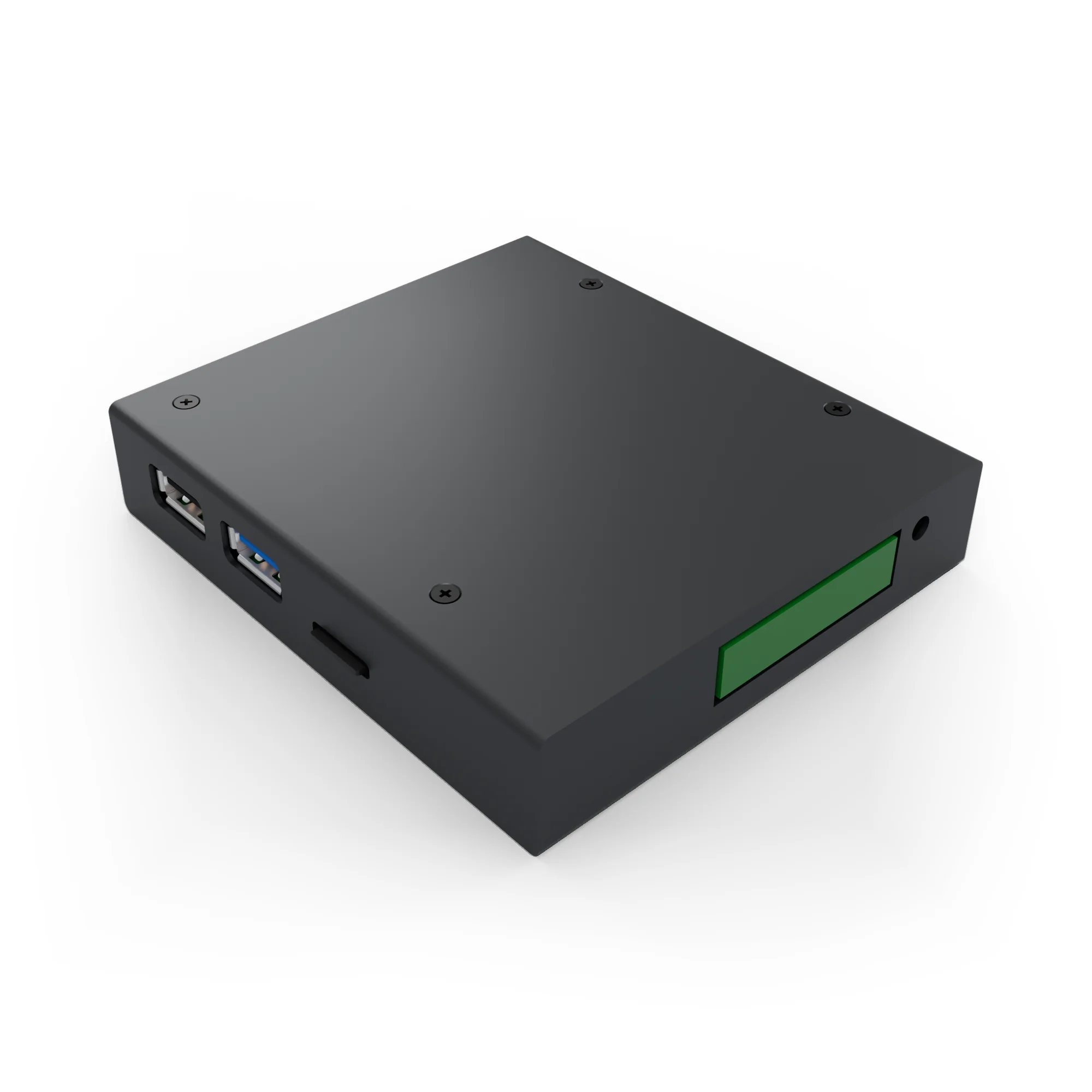
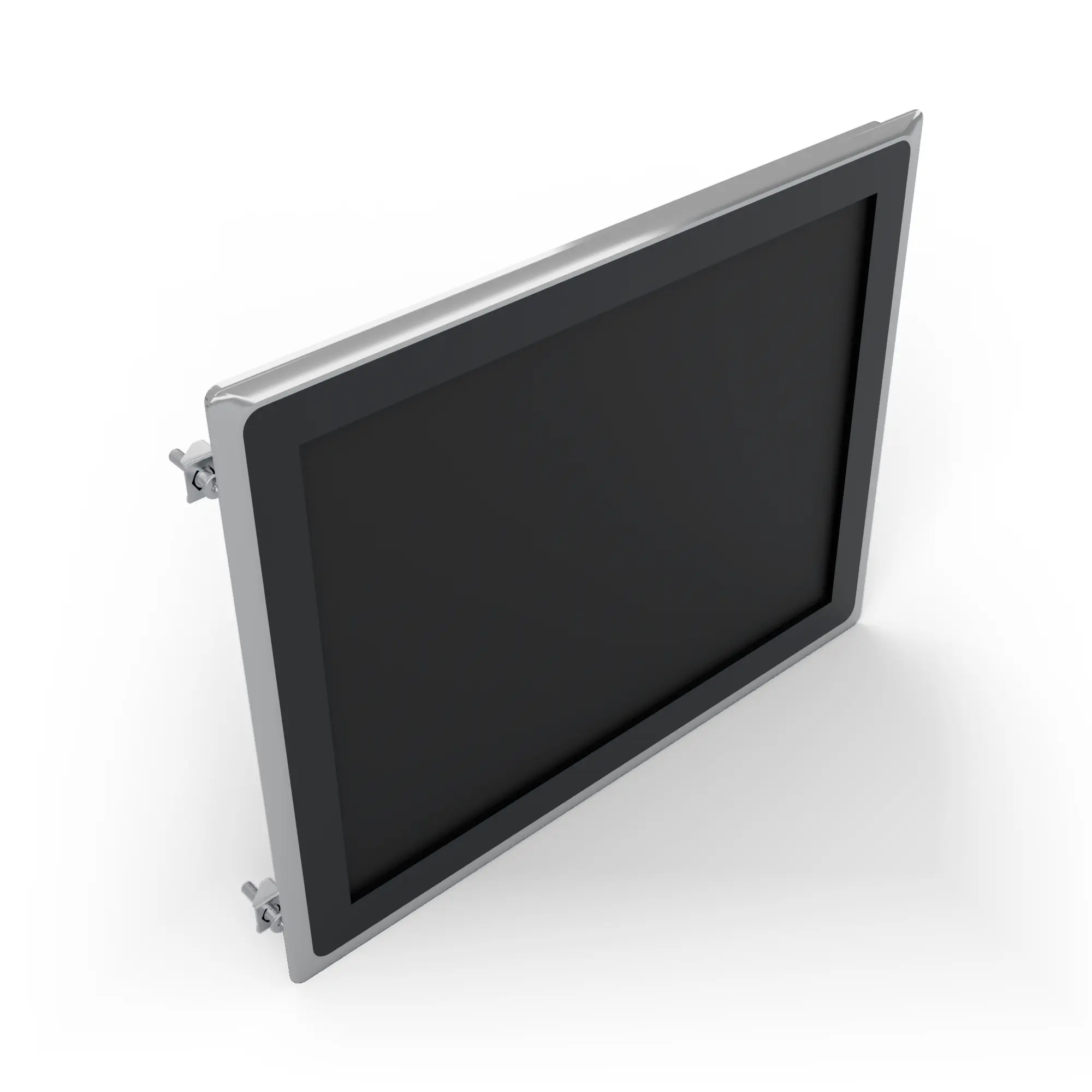
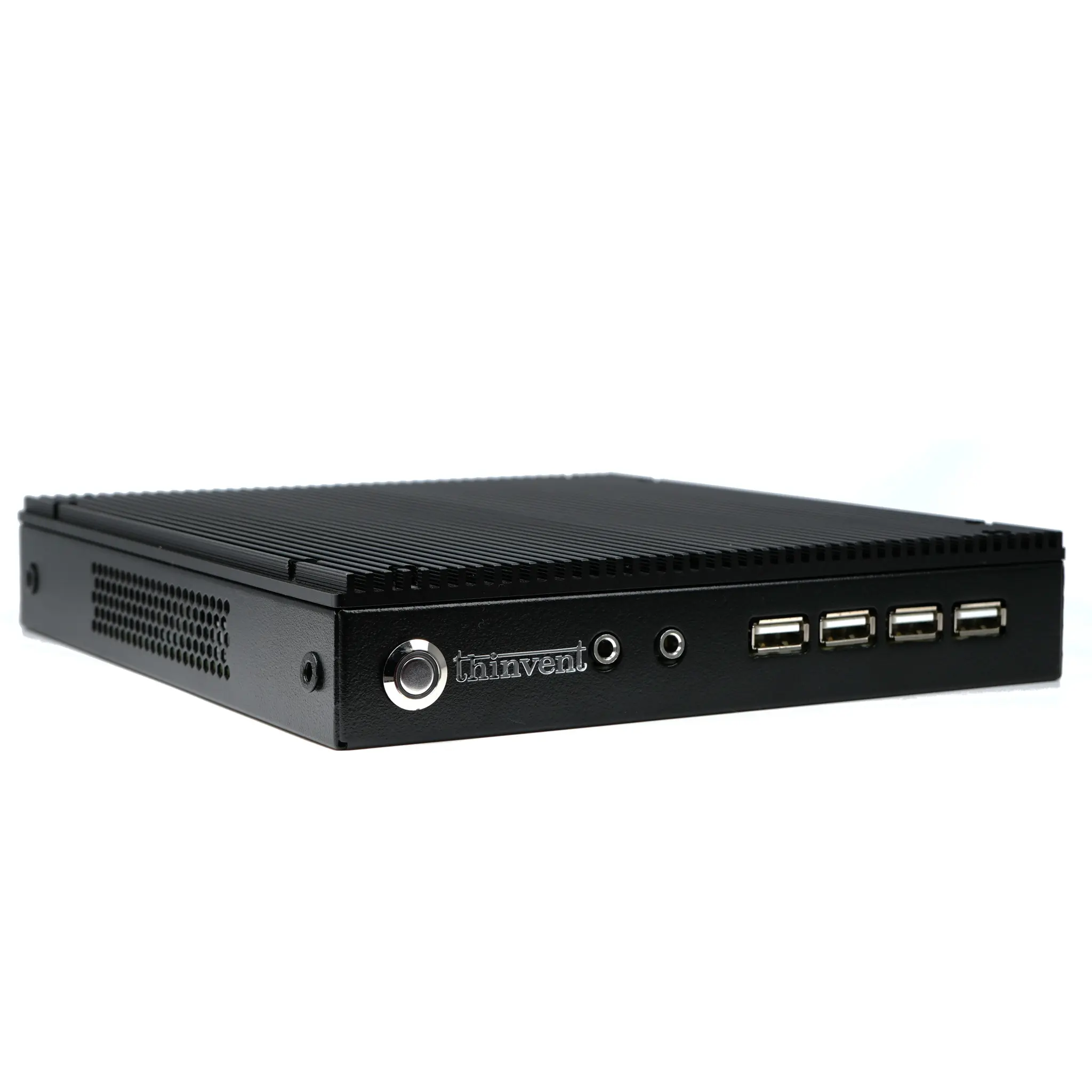
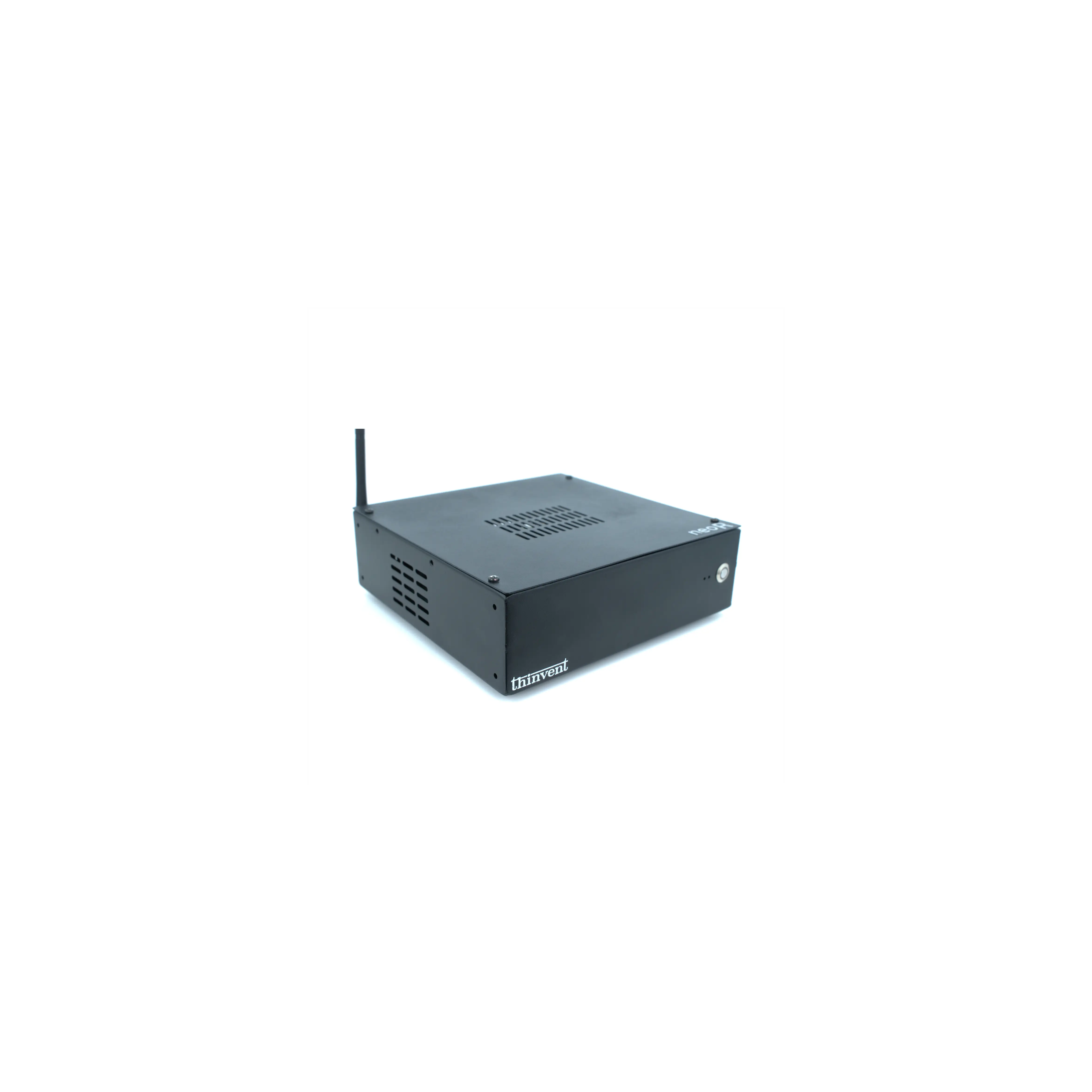
Rugged industrial computers are specialized computing systems engineered to operate reliably in extreme and demanding conditions where standard commercial PCs would fail. These environments include areas with excessive dust, moisture, vibration, wide temperature fluctuations, and electromagnetic interference. Unlike consumer-grade hardware, rugged computers are built with reinforced chassis, fanless cooling systems, and components selected for durability and long-term stability.
Key Specifications and Design Features
The core of a rugged industrial PC is its ability to withstand physical and environmental stress. Common specifications and features include:
-
Fanless Design: Eliminates moving parts, preventing dust ingress and reducing points of failure. This allows for silent, maintenance-free operation.
-
Wide Operating Temperature Range: Capable of functioning in temperatures from well below freezing to extreme heat (e.g., -20°C to 70°C).
-
Shock and Vibration Resistance: Mounting and internal designs absorb impacts and constant shaking, crucial for vehicles and factory floors.
-
IP-Rated Enclosures: Ingress Protection (IP) ratings like IP65 or IP67 certify resistance to dust and water jets or immersion.
-
Extended Power Input Ranges: Support for wide voltage inputs (e.g., 9-36V DC) to handle power fluctuations common in industrial settings.
-
Industrial-Grade Components: Use of long-life capacitors, solid-state storage, and conformal-coated circuit boards to enhance reliability.
Applications and Use Cases
Rugged computers are indispensable across numerous sectors:
-
Manufacturing & Factory Automation: For machine control, PLC supervision, and quality inspection on noisy, dusty production lines.
-
Transportation & Logistics: In-vehicle computing for fleet management, logistics, and public transit systems, enduring constant vibration.
-
Outdoor & Marine: Digital signage, kiosks, and navigation systems exposed to rain, sun, and salt spray.
-
Energy & Utilities: Monitoring and control systems in remote oil rigs, wind farms, and substations with wide temperature swings.
-
Military & Defense: Deployed in field operations where equipment must survive harsh handling and extreme climates.
Comparison: Rugged vs. Commercial Computers
| Feature | Rugged Industrial Computer | Standard Commercial Computer |
|---|---|---|
| Operating Temperature | Wide range (e.g., -20°C to 70°C) | Narrow range (typically 5°C to 35°C) |
| Cooling System | Fanless, passive heat dissipation | Active cooling with fans |
| Enclosure Protection | High IP rating (dust/water resistant) | Minimal or no IP rating |
| Shock & Vibration | MIL-STD-810G certified or similar | Not designed for significant vibration |
| Power Input | Wide-range DC (e.g., 9-36V) | Standard AC power supply |
| Component Lifespan | Industrial-grade, designed for 24/7 operation | Consumer-grade, for typical office use |
| Typical Use Case | Harsh, uncontrolled environments | Controlled office or home environments |
Thinvent's Rugged Industrial Computing Solutions
Thinvent offers a range of robust computing solutions designed for challenging deployments. A prime example is the Thinvent® Aero Mini PC series. These compact, fanless systems are engineered for reliability in demanding scenarios. Featuring the efficient Intel® processor N100 (4 cores, up to 3.4 GHz), 16GB of DDR4 RAM, and solid-state storage, they deliver consistent performance without the vulnerability of moving parts. Available with multiple operating system options including Windows 11 IoT/Pro, Ubuntu Linux, or Thinux™ Embedded Linux, they provide the flexibility needed for specialized industrial applications. Their small form factor, wide power input compatibility, and durable build make them an ideal choice for embedding into kiosks, digital signage, automation equipment, and mobile installations where space is limited and environmental toughness is paramount.