A tower workstation is a high-performance desktop computer designed for professional, industrial, and enterprise applications that demand significant processing power, memory, and storage. Unlike standard office PCs, these systems are built with robust components to handle intensive workloads such as 3D CAD, engineering simulations, video editing, data science, and software development. They typically feature powerful multi-core processors, professional-grade graphics options, extensive RAM, and fast, high-capacity storage, all housed in a larger, well-ventilated tower chassis that supports expansion and superior thermal management.
Key Specifications and Technical Details
Modern tower workstations are defined by their core components. They utilize high-performance processors from Intel's Core i5, i7, and i9 series or AMD's Ryzen and Threadripper lines, often from the latest generations (12th, 13th, or 14th Gen for Intel). Memory configurations start at 16GB and can scale to 64GB or more of ECC (Error-Correcting Code) RAM for critical data integrity. Storage is a combination of high-speed NVMe SSDs (512GB to 2TB+) for the operating system and applications, paired with larger SATA SSDs or HDDs for data archives. Professional-grade discrete graphics cards from NVIDIA Quadro or AMD Radeon Pro are common for visualization tasks. Connectivity is comprehensive, featuring multiple USB 3.2/4 ports, Thunderbolt, and dual Gigabit or 10GbE Ethernet ports.
Use Cases and Applications
Tower workstations are indispensable in fields requiring computational muscle and reliability.
-
Engineering & Design: Running software like AutoCAD, SolidWorks, and ANSYS for complex modeling and simulation.
-
Media & Entertainment: Video editing, 3D animation, and visual effects rendering with tools like Adobe Creative Suite, DaVinci Resolve, and Blender.
-
Scientific Research & Data Analysis: Processing large datasets, running machine learning models, and performing scientific computations.
-
Software Development: Compiling large codebases, running multiple virtual machines, and testing in containerized environments.
-
Financial Modeling: Executing complex financial algorithms and analyses that require high-speed processing.
Comparison: Tower Workstation vs. Standard Desktop
| Feature | Tower Workstation | Standard Desktop |
|---|---|---|
| Primary Use | Professional, compute-intensive tasks | General office, web browsing, light media |
| Processor | High-core-count CPUs (i5/i7/i9, Xeon, Ryzen 7/9) | Entry to mid-range CPUs (i3, i5, Ryzen 3/5) |
| Memory | 16GB - 128GB+, often ECC support | 8GB - 32GB, non-ECC |
| Graphics | Professional GPUs (Quadro, Radeon Pro) or high-end gaming GPUs | Integrated graphics or mainstream gaming GPUs |
| Storage | NVMe SSDs + large capacity HDDs/SSDs in RAID | Single SATA SSD or HDD |
| Reliability | Higher-grade components, longer lifecycle, better cooling | Consumer-grade components |
| Expandability | Multiple PCIe slots, drive bays | Limited expansion options |
Thinvent Tower Workstation Solutions
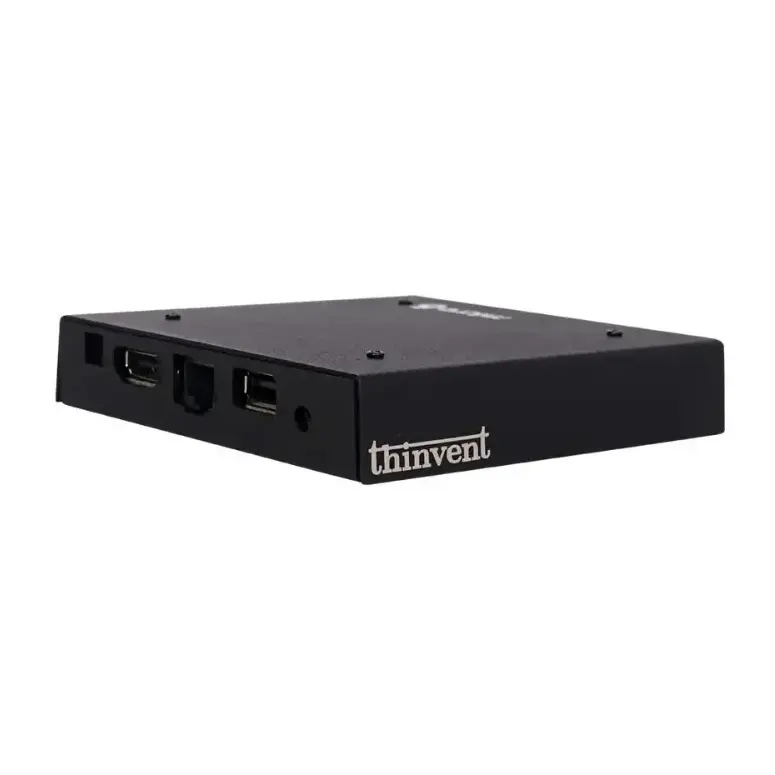
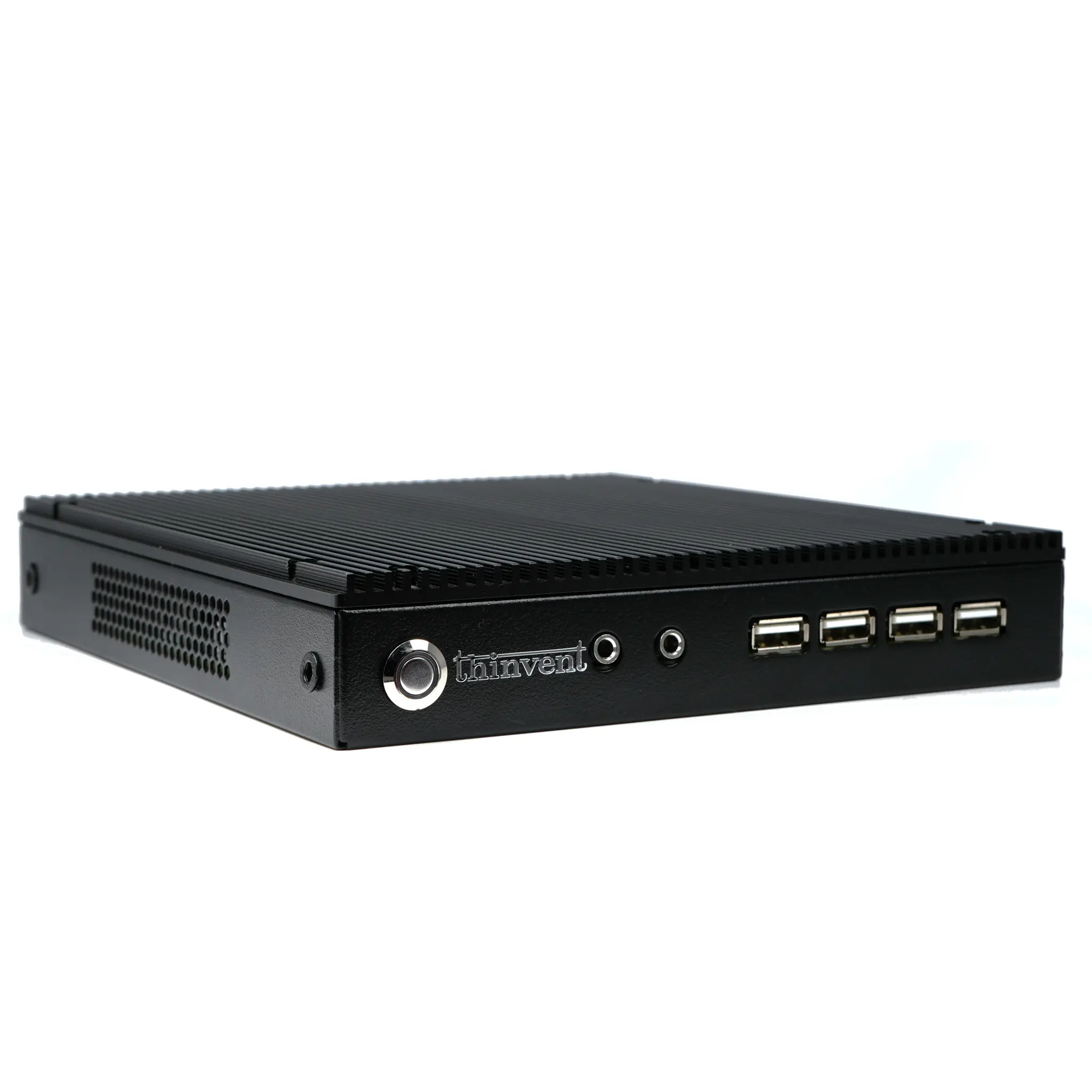
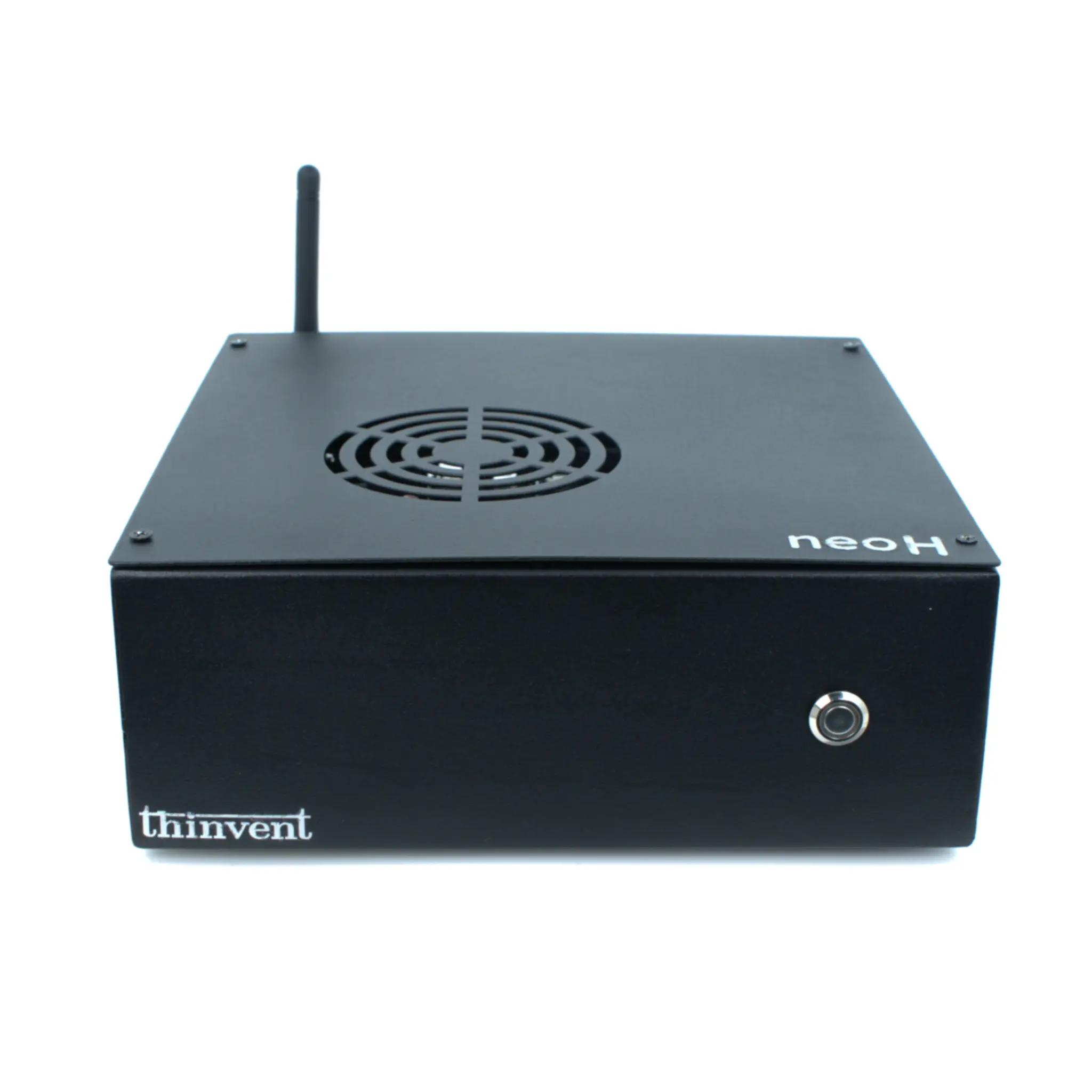
While Thinvent is renowned for its compact and fanless industrial computers, our product philosophy of reliability and performance extends to workstation-class solutions. We engineer systems that provide the raw power needed for demanding applications while maintaining the durability and stability required for 24/7 operation in industrial and commercial settings. Our configurations can be tailored with the latest Intel Core processors, ample DDR4/DDR5 memory, and high-speed storage to meet specific professional needs, from design studios to factory floor control rooms.