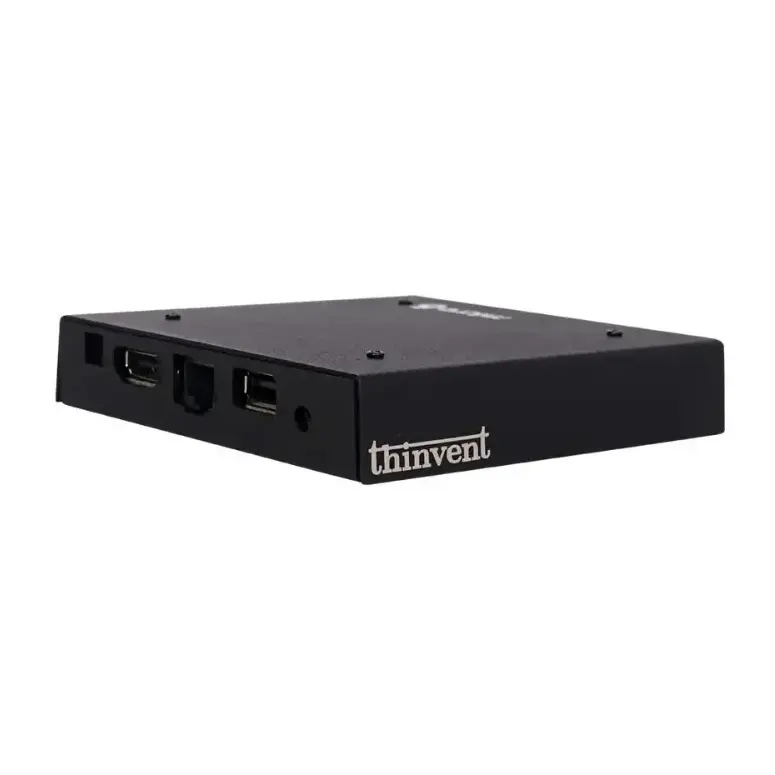
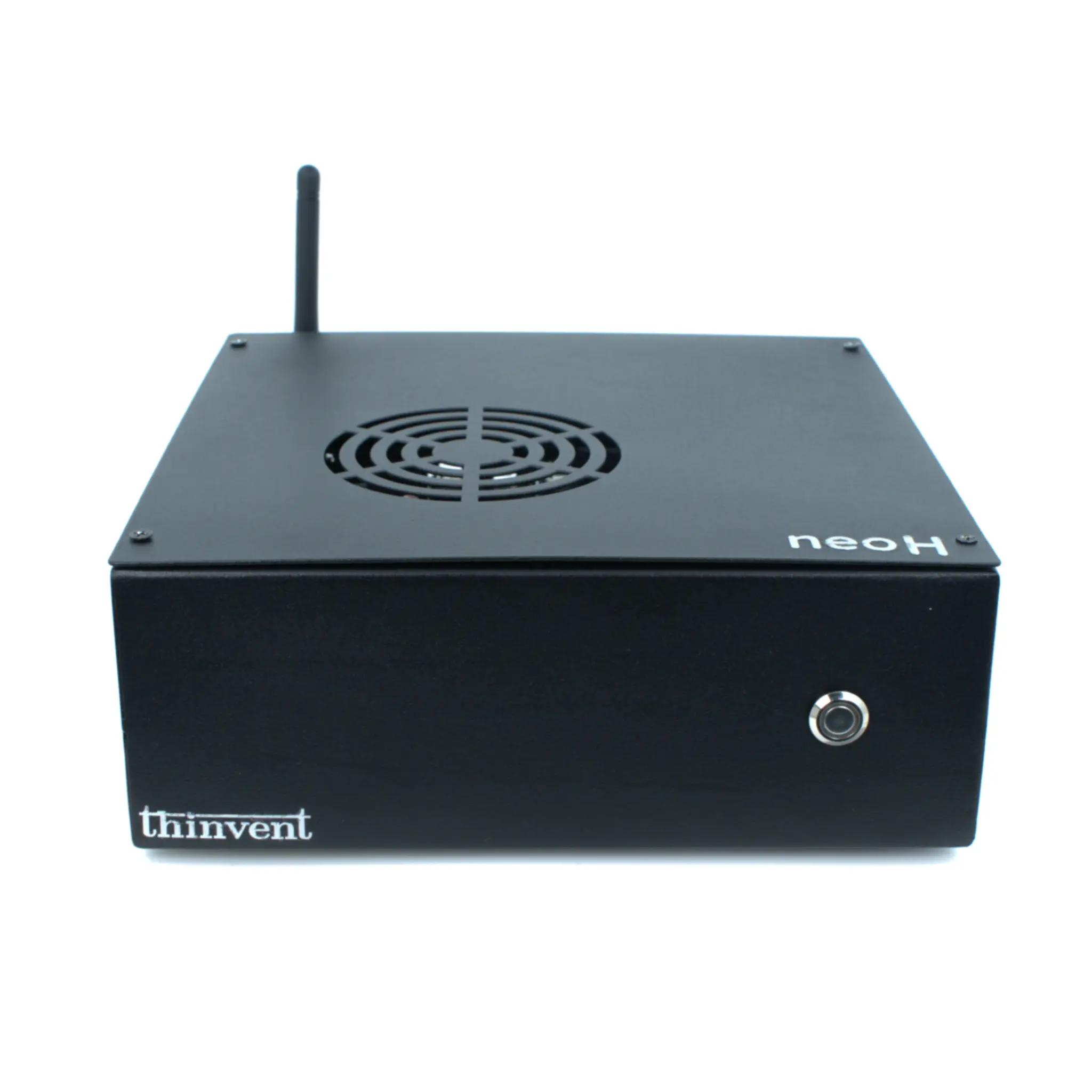
VDI (Virtual Desktop Infrastructure) client hardware is specialized endpoint computing devices designed to securely connect users to virtual desktops hosted on central servers. Unlike traditional PCs, these clients are optimized for network connectivity, security, and manageability, providing a consistent and controlled user experience for remote desktop access. The primary function is to run a connection broker client, such as Citrix Workspace app, VMware Horizon Client, or Microsoft Remote Desktop, with minimal local processing, shifting the computational load to the data center.
Key specifications for VDI clients focus on reliable connectivity, security features, and efficient operation. Essential components include a modern processor (ARM or Intel), sufficient RAM (typically 4GB to 8GB) for smooth session rendering, and modest local storage (eMMC or SSD) for the OS and client software. Critical I/O includes Gigabit Ethernet for stable connections, multiple USB ports for peripherals, and HDMI outputs for displays. Advanced security is often provided through TPM (Trusted Platform Module) chips, secure boot, and hardware-based encryption. Many VDI clients are fanless, ensuring silent, reliable operation in diverse environments like offices, hospitals, and industrial settings.
The primary use case is enabling secure, centralized desktop management for enterprises, educational institutions, healthcare, and government agencies. Applications include:
-
Corporate Workspaces: Providing employees with secure access to business applications and data from any location.
-
Call Centers & Task Workers: Deploying standardized, locked-down desktops for high-volume, repetitive tasks.
-
Healthcare: Accessing Electronic Health Records (EHR) systems from nursing stations or patient rooms with enhanced data security.
-
Education: Creating lab environments or providing software access in libraries and classrooms from low-cost, durable endpoints.
-
Industrial & Retail: Running point-of-sale (POS) systems, digital signage, or kiosks from a centrally managed platform.
When selecting VDI client hardware, the choice often depends on the required performance profile and management needs.
| Feature | Basic/Zero Client (ARM-based) | Standard Performance Client (Intel N-Series) | High-Performance Client (Intel Core i-Series) |
|---|---|---|---|
| Best For | Task workers, static desktops, kiosks | Knowledge workers, multimedia, multi-monitor | Power users, CAD, graphic design, intensive applications |
| Processor | ARM Cortex (A53/A55) | Intel Processor (N95, N100, N150) | Intel Core i3/i5 (12th/14th Gen) |
| Memory | 2GB - 4GB | 4GB - 8GB | 8GB - 16GB+ |
| Storage | 16GB - 64GB eMMC | 128GB - 256GB SSD | 256GB - 512GB+ SSD |
| Ideal OS | Embedded Linux (Thinux™) | Embedded Linux, Windows IoT | Windows 11 Pro, Ubuntu Linux |
Thinvent VDI Client Solutions
Thinvent offers a comprehensive range of VDI client hardware engineered for secure and reliable remote desktop access. Our solutions span from ultra-efficient ARM-based thin clients to powerful Intel Core-powered mini PCs, all built with industrial-grade reliability and fanless designs for 24/7 operation.
For entry-level and task-worker environments, the Thinvent Micro Series provides cost-effective, energy-efficient endpoints with ARM processors and our secure Thinux™ Embedded Linux OS. For standard knowledge worker profiles requiring excellent multimedia performance, the Thinvent Treo and IPC Series with Intel N100 processors deliver a perfect balance of capability and efficiency. For power users needing to run demanding applications through their virtual desktop, the Thinvent Aero and Industrial IPC Series feature Intel Core i3 and i5 processors (12th and 14th Generation) with higher core counts and clock speeds.
All Thinvent VDI clients are designed with robust connectivity, including Gigabit Ethernet and multiple display outputs, and can be configured with operating systems tailored for virtualization, including Thinux™, Ubuntu Linux, and Windows 11 IoT/Pro. This ensures seamless integration with major VDI platforms like Citrix, VMware, and Microsoft, providing a secure, manageable, and high-performance endpoint for any remote desktop scenario.