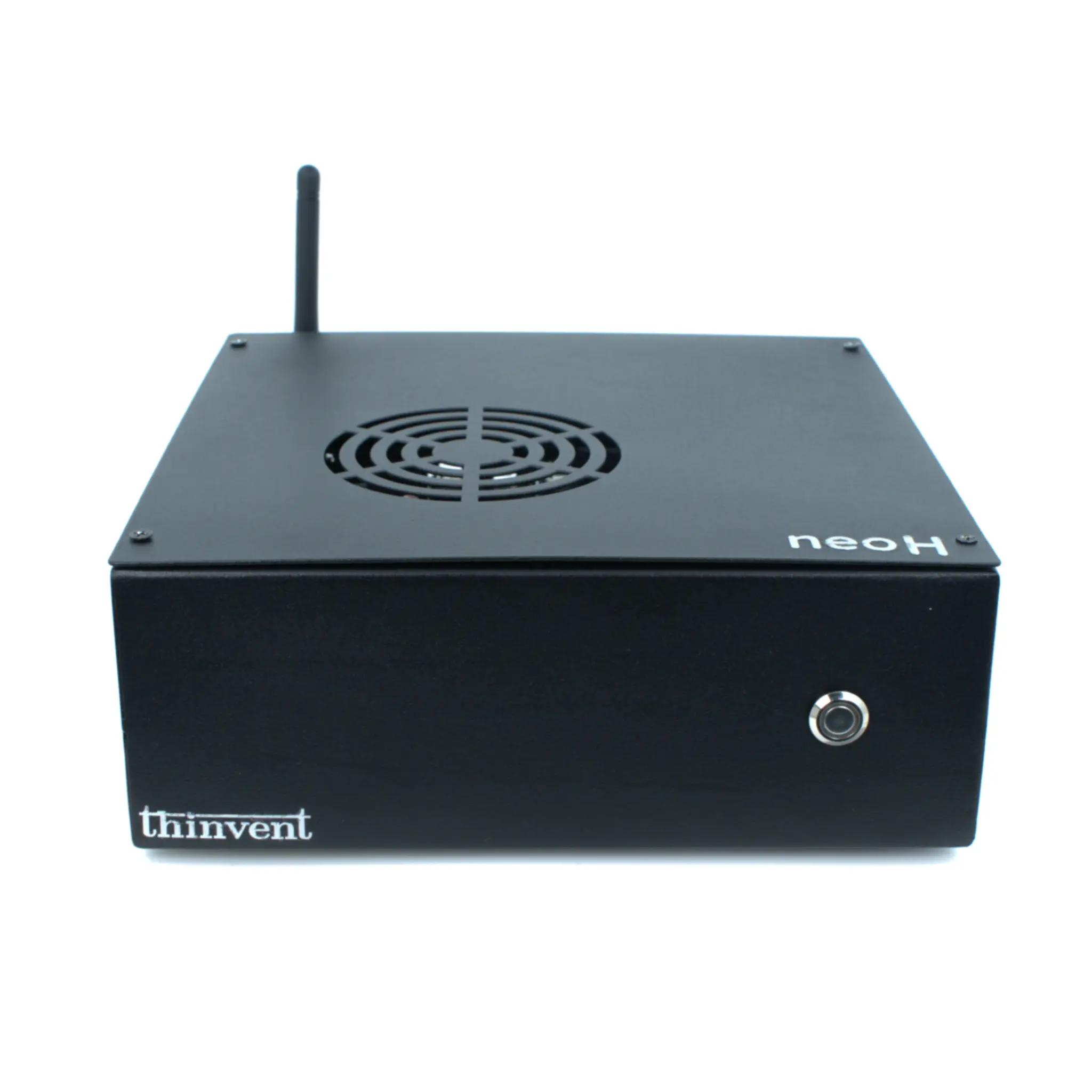
A VDI (Virtual Desktop Infrastructure) router is a specialized computing device designed to securely connect remote users to a centralized virtual desktop environment. It acts as a dedicated endpoint, often a thin client or a compact industrial PC, that establishes a secure tunnel to the VDI host server. Unlike a standard router that manages network traffic, a VDI router is the user's local hardware, optimized for running remote display protocols like Citrix HDX, VMware Blast, or Microsoft RDP with high efficiency and robust security features.
Key Specifications for VDI Routers For optimal performance and security, VDI routers require specific hardware configurations. They must have sufficient processing power to decode the remote display stream and handle encryption without latency. Reliable, high-speed network connectivity is paramount, often requiring dual Gigabit Ethernet ports for network redundancy or segmentation. Security is enhanced through features like TPM (Trusted Platform Module) chips for secure boot, hardware-based encryption acceleration, and support for modern operating systems that receive regular security updates. Many VDI routers are fanless, offering silent, reliable operation in diverse environments from home offices to industrial floors.
Applications and Use Cases Secure VDI routers are essential for modern remote work and centralized IT management. They are deployed in scenarios such as remote and hybrid workforces, providing employees with secure access to corporate desktops from anywhere. In call centers and retail environments, they deliver a consistent, managed user experience while keeping sensitive data off the endpoint. For industrial and healthcare settings, their rugged, fanless designs ensure reliable operation in harsh conditions while maintaining strict compliance and data security protocols. They effectively transform any display into a secure corporate workstation.
Choosing the Right VDI Router The ideal VDI router balances performance, security, and form factor. For task workers using basic office applications, an energy-efficient ARM-based thin client or an Intel N-series mini PC is often sufficient. For power users requiring multiple monitors or graphics-intensive virtual applications, an Intel Core i3/i5-based industrial PC provides the necessary horsepower. Key selection criteria include:
-
Processor: Sufficient cores/threads for protocol decoding.
-
Memory: 4GB minimum, 8GB+ recommended for modern OS and applications.
-
Storage: 64GB+ eMMC or SSD for the OS and client software.
-
Connectivity: Dual Gigabit Ethernet, modern USB ports for peripherals.
-
Security: TPM, secure boot, and a locked-down OS image.
Thinvent Solutions for Secure VDI Access Thinvent offers a comprehensive range of hardware perfectly suited to act as secure VDI routers. Our product lines provide solutions for every use case:
-
Thinvent Micro Series: These ARM-based thin clients, running Thinux™ Embedded Linux, are ultra-efficient, secure endpoints ideal for basic to moderate VDI workloads. Their low power draw and compact form factor make them perfect for large-scale deployments.
-
Thinvent Treo & Aero Mini PCs: Featuring Intel processors like the N100, i3-1215U, and Core 5 120U, these mini PCs offer a powerful Windows or Linux platform for more demanding VDI users, supporting multiple displays and intensive applications.
-
Thinvent Industrial PC (IPC) Series: Built for 24/7 reliability in challenging environments, our IPC line with Intel Core processors delivers maximum performance and expansion options for critical VDI access in industrial, medical, and financial sectors.
All Thinvent devices can be configured with professional operating systems, managed remotely, and are designed with the connectivity and security features required to build a robust, secure remote access infrastructure.