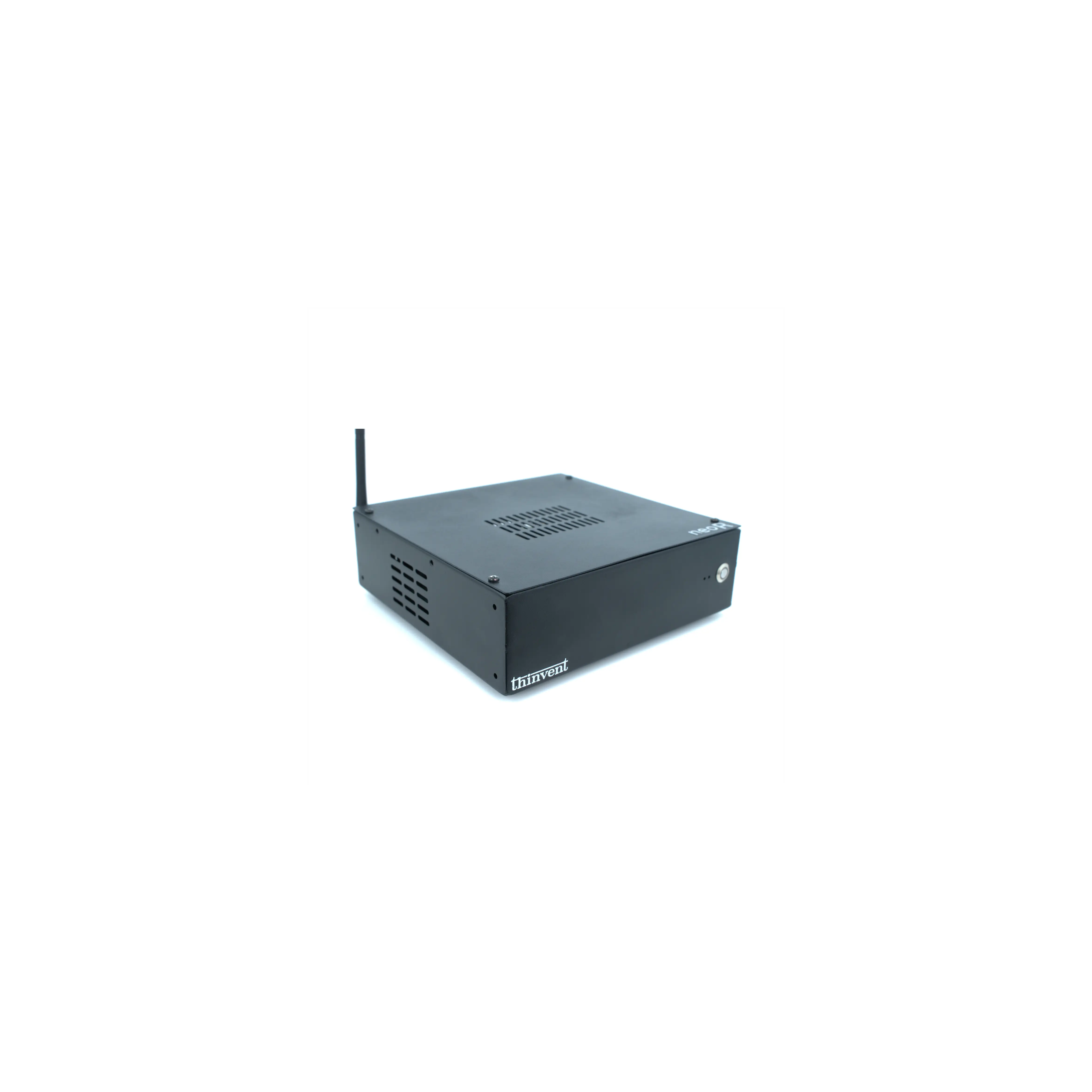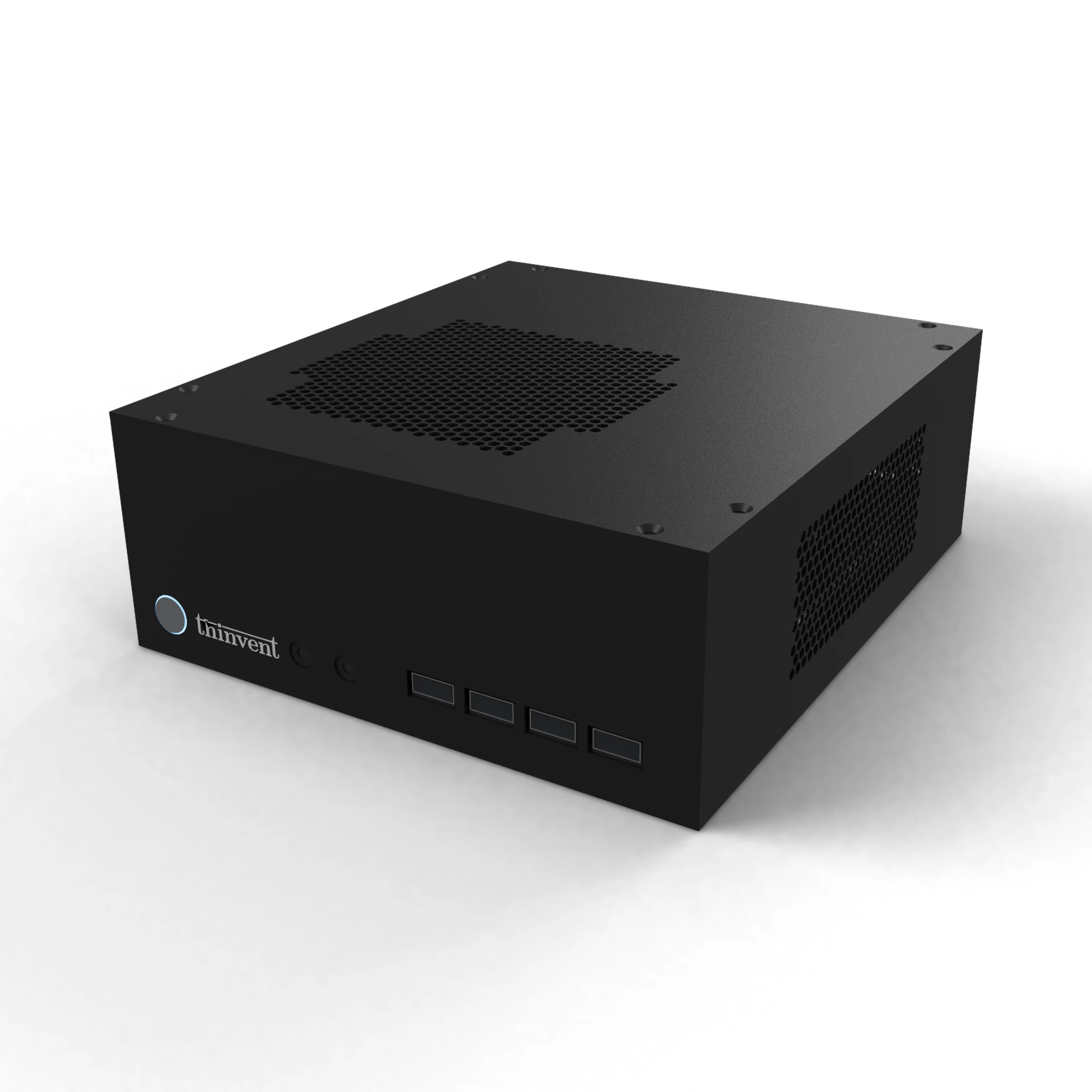
What Are Rugged Industrial PCs?
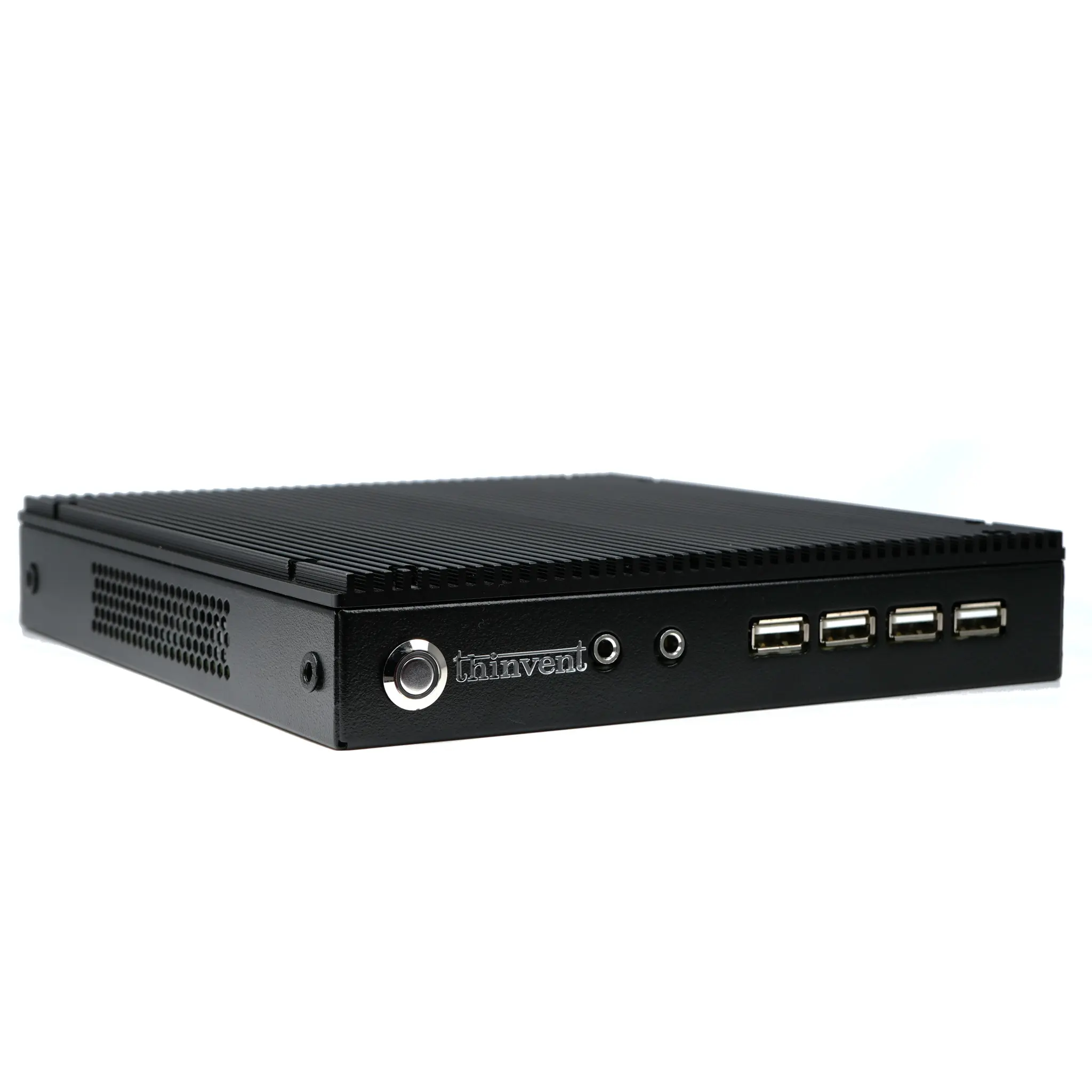
Rugged Industrial PCs are specialized computing systems engineered to operate reliably in harsh environments where standard commercial computers would fail. They are built for embedded applications, meaning they are integrated into larger machinery or systems to perform dedicated control, monitoring, or interface tasks. Key characteristics include fanless designs for silent operation and dust resistance, wide operating temperature ranges, robust metal enclosures, and support for industrial communication protocols.
Key Specifications and Design Features
These PCs prioritize durability and long-term stability over raw consumer-grade performance. Common specifications include:
-
Rugged Construction: Metal chassis, often with IP-rated protection against dust and moisture.
-
Extended Temperature Range: Capable of operating in temperatures from -20°C to 60°C or beyond.
-
Fanless Cooling: Eliminates moving parts, reducing points of failure, preventing dust ingress, and enabling silent 24/7 operation.
-
Wide Voltage Input: Supports fluctuating power sources common in industrial settings (e.g., 9V-36V DC).
-
Rich I/O Ports: Multiple serial ports (COM), LAN ports, GPIO, and display outputs for connecting to industrial sensors, PLCs, and HMIs.
-
Long-term Component Availability: Use of industrial-grade components with extended lifecycle support.
Applications and Use Cases
Rugged Industrial PCs are the backbone of automation and digitalization across sectors:
-
Factory Automation: Machine control, PLC/HMI, vision inspection systems, and production line monitoring.
-
Transportation & Logistics: In-vehicle computing for fleet management, railway systems, and automated guided vehicles (AGVs).
-
Digital Signage & Kiosks: Outdoor advertising, interactive information terminals in public spaces.
-
Edge Computing & IoT Gateways: Data acquisition, preprocessing, and secure transmission from remote field devices.
-
Energy & Utilities: Monitoring and control systems for power substations, renewable energy sites, and oil & gas facilities.
Comparison of Common Industrial PC Platforms
| Feature | ARM-based Low-Power PCs | Intel x86-based Performance PCs |
|---|---|---|
| Core Architecture | ARM (e.g., Cortex-A53/A55) | x86 (e.g., Intel Core i3/i5, Intel Processor N-series) |
| Typical Use Case | Lightweight control, IoT gateways, thin clients, digital signage | Heavy-duty automation, machine vision, data processing, complex HMI |
| Power Consumption | Very Low (5V-12V adapters) | Moderate to High (12V-24V adapters) |
| Thermal Design | Passively cooled, completely fanless | Often fanless, but higher TDP models may require active cooling |
| OS Support | Embedded Linux (Thinux™, Ubuntu) | Windows IoT, Linux, Ubuntu, Windows Pro |
| I/O & Expandability | Basic to moderate I/O | Extensive I/O and expansion options (PCIe, M.2) |
Thinvent's Rugged Industrial PC Solutions
Thinvent offers a comprehensive portfolio of rugged computing solutions designed for demanding embedded applications worldwide. Our range includes:
-
ARM-based Micro Series: Ideal for energy-efficient, fanless operations. Models like the Micro 5 Wifi Thin Client and Micro 6 Pro Mini PC feature ARM Cortex processors, onboard RAM/eMMC, and dual-band WiFi, perfect for lightweight control, kiosks, and thin client deployments.
-
Intel-based Industrial PC Series: For performance-critical tasks. The IPC5 with a 12th Gen Intel Core i5 processor and the IPC3 with an Intel Core i3 provide substantial computing power for complex automation, edge analytics, and industrial HMIs.
-
Versatile Mini PC Series: Balancing size and capability. The Treo Mini PC with an Intel N100 processor and the Aero Mini PC with Intel Core i3/i5 processors offer a compact footprint with x86 compatibility for a wide array of industrial and commercial embedded applications. All Thinvent industrial PCs are built with durability in mind, featuring fanless designs where applicable, robust metal casings, and support for industrial operating systems, ensuring reliable performance in challenging environments.