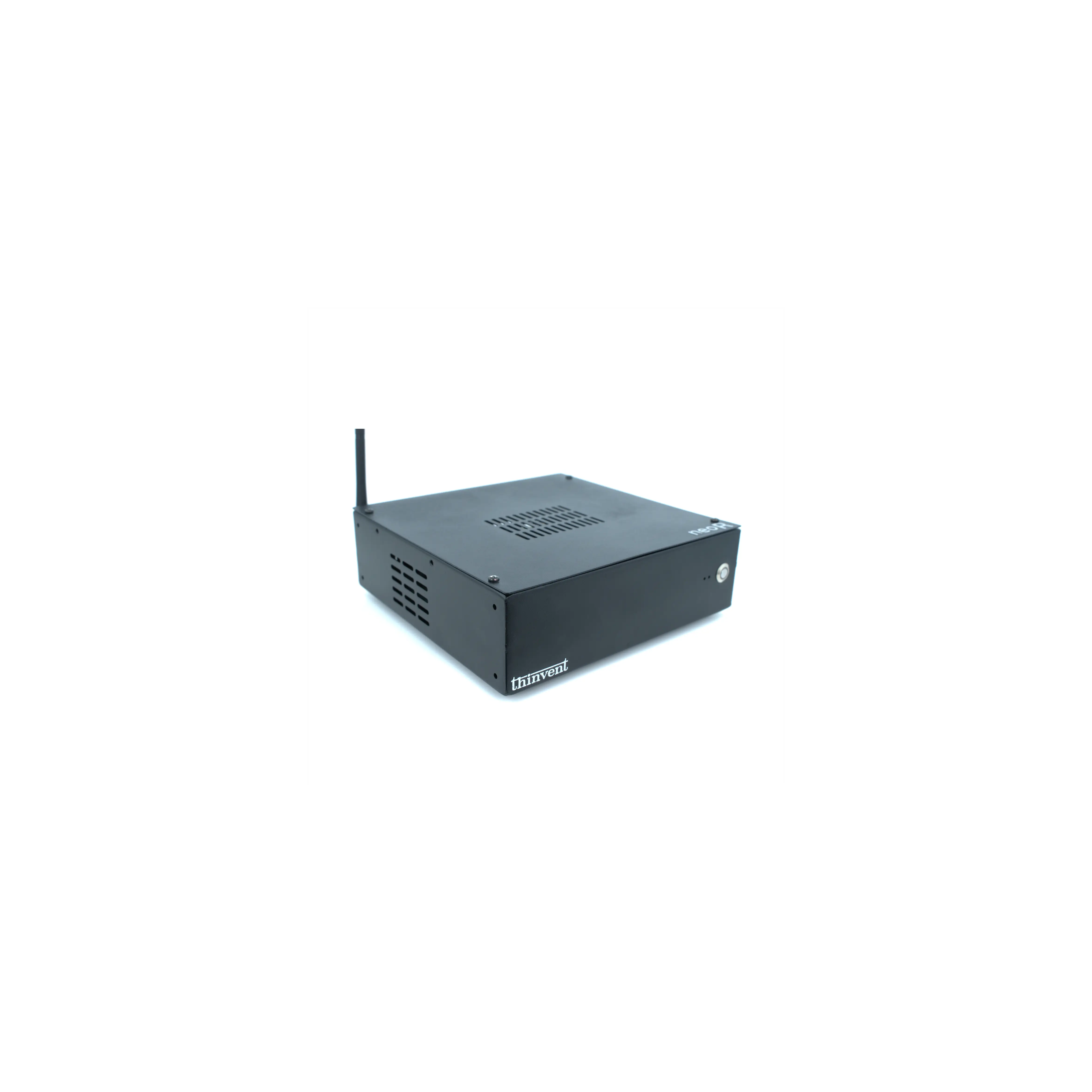
What are Reliable Mini PCs and Thin Clients?
Reliable Mini PCs and Thin Clients are compact, energy-efficient computing devices designed for business environments where space, power consumption, and consistent uptime are critical. Unlike traditional desktop towers, these systems offer a small footprint, often with fanless designs for silent operation and enhanced durability. They are built to handle specific workloads—from basic digital signage and web kiosks to more demanding office productivity and industrial automation—with a focus on long-term reliability and minimal maintenance.
Key Specifications and Technical Details
The core of these devices lies in their processors and system architecture. For entry-level and dedicated thin client tasks, ARM-based processors (like the Cortex A53/A55) provide excellent power efficiency with low thermal output, often paired with onboard eMMC storage. For more general-purpose computing and industrial applications, Intel processors (such as the N100, Core i3/i5 12th/14th Gen) deliver higher performance with x86 compatibility. Key specifications to consider include:
-
Processor: Defines performance and power envelope (ARM for efficiency, Intel for performance).
-
Memory (RAM): Ranges from 2GB for lightweight OS/thin client use to 16GB for multitasking.
-
Storage: eMMC (16-64GB) for fixed-function devices or SSDs (128GB-512GB) for full operating systems.
-
Connectivity: Includes HDMI outputs, USB ports, and optional WiFi/Bluetooth.
-
Power: Low-voltage DC input (e.g., 5V/12V), contributing to energy savings.
-
Operating System: Options include embedded Linux (Thinux™), Ubuntu Linux, or Windows IoT/Pro.
Ideal Use Cases and Applications
These compact computers are versatile solutions for modern digital workspaces:
-
Digital Signage & Kiosks: Powering displays in retail, hospitality, and public spaces with silent, always-on operation.
-
VDI (Virtual Desktop Infrastructure) Endpoints: Acting as thin clients to access virtual desktops from central servers, simplifying IT management.
-
Office Productivity: Serving as space-saving desktops for tasks like email, web browsing, and document editing.
-
Industrial Automation & Control: Providing reliable computing in manufacturing environments, often in fanless, ruggedized enclosures.
-
Edge Computing: Processing data locally in retail, logistics, or smart city applications before sending it to the cloud.
Comparison: Thin Clients vs. Mini PCs
While both are compact, their primary purposes differ.
| Feature | Thin Client (e.g., Micro 5/6) | Mini PC / Industrial PC (e.g., Treo, IPC, Aero) |
|---|---|---|
| Primary Role | Dedicated endpoint for accessing remote resources/VDI. | Standalone general-purpose or industrial computer. |
| Typical Processor | ARM-based (Cortex A-Series) for efficiency. | Intel x86 (N-Series, Core i3/i5) for performance. |
| Storage | Lower capacity eMMC (16-64GB) for OS/apps. | Larger SSD (128GB-512GB) for local data and applications. |
| Performance Profile | Optimized for connectivity and low power. | Balanced for local processing, multitasking, and heavier workloads. |
| Ideal For | Fixed-function tasks, secure managed environments. | Versatile computing, running local applications, edge computing. |
Thinvent's Range of Reliable Mini PCs and Thin Clients
Thinvent offers a comprehensive portfolio of compact computing solutions engineered for reliability. Our Micro Series thin clients, powered by ARM processors, deliver exceptional energy efficiency for VDI and kiosk deployments. For more robust performance, the Treo Mini PC and Aero Mini PC series feature efficient Intel processors like the N100 and Core i3/i5, suitable for office and commercial use. For demanding industrial environments, our IPC Series Industrial PCs are built with durable components and support a range of operating systems, including Windows IoT and Linux. Whether you need a simple display endpoint or a powerful fanless computer for automation, Thinvent provides a scalable, reliable solution backed by global support.