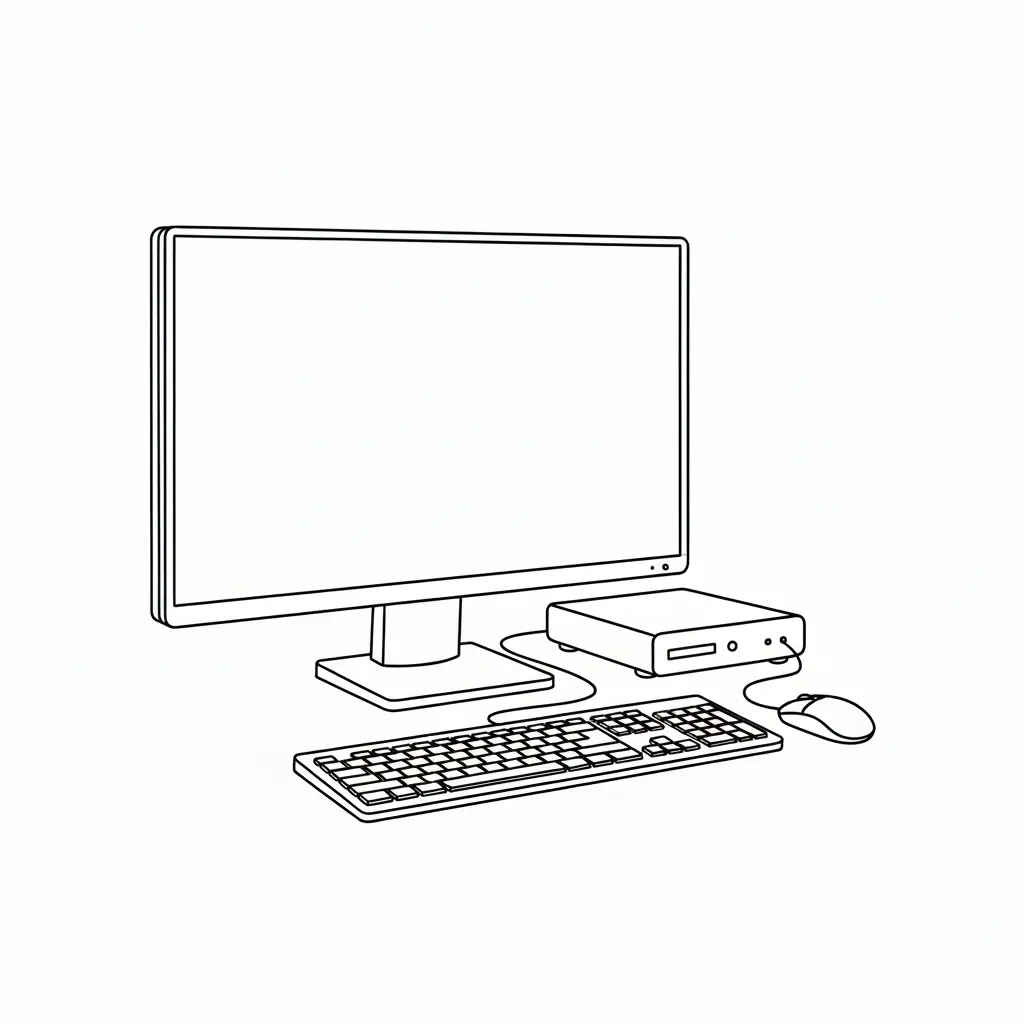
The Vxl Itona is a thin client family from VXL, and the facts available for it are limited to a few configurations, such as the IQB series with a single DDR3 SODIMM socket. The closest Thinvent alternative for a fanless, low-power thin client role is the Thinvent Neo S Thin Client with an Intel Celeron J1900 processor, which offers up to 8 GB RAM and up to 256 GB SSD.
Vxl Itona vs Thinvent Neo S and Micro 5R Thin Clients
| Vxl Itona IQB series | Thinvent Neo S Thin Client | Thinvent Micro 5R Thin Client | |
|---|---|---|---|
| Processor | Not stated | Intel Celeron J1900 | ARM Cortex A53 |
| Cores/Threads | Not stated | 4 cores | 4 cores |
| RAM | DDR3 SODIMM (single socket), DDR3 1333 MHz | 4 GB to 8 GB DDR3 | 2 GB |
| Storage | Not stated | 32 GB to 256 GB SSD | 16 GB eMMC |
| Form Factor | Not stated | Thin client | Thin client |
| Wireless | Not stated | No WiFi | Wi-Fi 6 and Bluetooth 5 |
| Operating System | Not stated | DOS | Thinux embedded Linux |
Key differences
-
Thinvent Neo S offers RAM up to 8 GB and SSD storage up to 256 GB, with a 4-core Intel Celeron J1900 processor running at up to 2.4 GHz.
-
Thinvent Micro 5R adds built-in Wi-Fi 6 and Bluetooth 5, which the Vxl Itona details provided do not state.
-
Thinvent Micro 5R provides HDMI 2.0 and a speaker output.
-
The Vxl Itona IQB series is built around DDR3 memory in a single SODIMM socket, which is the one hardware detail stated for this family.
Which one should you choose?
Choose a Thinvent Neo S if you need a 4-core Intel thin client with up to 8 GB RAM and up to 256 GB SSD for a wired deployment. Choose a Thinvent Micro 5R if you need wireless connectivity with Wi-Fi 6 and Bluetooth on an embedded Linux platform.