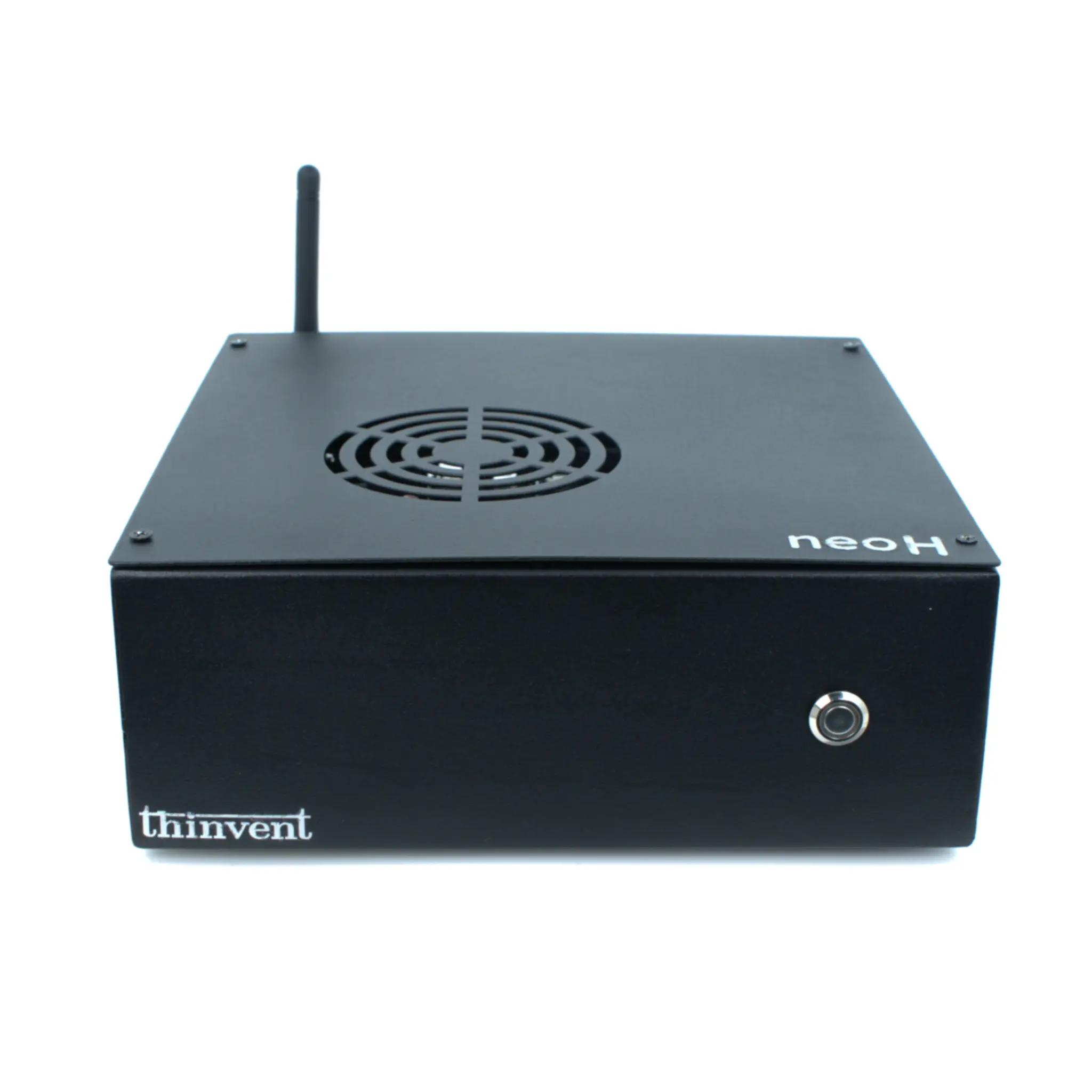
What Does a PC Look Like?
A Personal Computer (PC) is a general-purpose computing device, but its physical appearance varies dramatically based on its form factor and intended use. The classic image of a desktop PC—a large tower case connected to a separate monitor, keyboard, and mouse—is just one common configuration. Modern PCs come in many shapes and sizes, from all-in-one units with integrated displays to compact, fanless industrial computers designed for embedded applications.
Key PC Form Factors and Their Characteristics
The design of a PC is primarily dictated by its form factor, which determines its size, portability, cooling method, and expansion capabilities.
| Form Factor | Typical Size & Appearance | Primary Use Cases | Key Features |
|---|---|---|---|
| Tower Desktop | Large vertical case (15-50L). | Office workstations, gaming, servers. | High expandability, powerful cooling, multiple drive bays. |
| Small Form Factor (SFF) / Mini PC | Compact box (0.5-2L), often fanless. | Digital signage, kiosks, light office work, home theater. | Space-saving, low power consumption, silent operation, wall-mountable. |
| All-in-One (AIO) | Monitor with computer integrated into the stand or rear panel. | Reception desks, retail points-of-sale, modern offices. | Clean cable-free desk, integrated touchscreen options. |
| Thin Client | Very small, minimalist device. | Virtual Desktop Infrastructure (VDI), secure task-based work. | Low cost, enhanced security, centralized management. |
| Industrial PC | Ruggedized case, often fanless with metal chassis. | Factory automation, transportation, outdoor kiosks. | Wide temperature tolerance, shock/vibration resistance, multiple I/O ports. |
Technical Design Elements
Beyond the outer case, a PC's internal layout is defined by its motherboard, cooling system, and component selection. Industrial and compact PCs often use fanless cooling, which uses heat pipes and large aluminum heatsinks to dissipate heat silently and reliably, making them ideal for dusty environments. Connectivity is another visual differentiator; industrial PCs may feature a high density of ports like multiple Ethernet, USB, serial (COM), and GPIO on their front or rear panels for sensor and device integration.
Applications Dictating Design
The intended application is the ultimate driver of a PC's appearance. A PC for a digital signage installation will be a flat, small Mini PC that can be mounted behind a display. A PC for a manufacturing floor will have a rugged, sealed metal case to protect against particulates and may include mounting brackets for DIN rails. This specialization ensures reliability and performance in specific operational contexts.
Thinvent's Range of Industrial PC Designs
Thinvent specializes in robust, compact computing solutions built for demanding environments. Our product portfolio exemplifies how form follows function:
-
Aero Mini PCs: These represent the compact, fanless Mini PC form factor. With a small footprint and silent operation, they are perfect for space-constrained and noise-sensitive applications like interactive kiosks, conference rooms, and light industrial control.
-
Industrial Panel PCs & All-in-Ones: These integrate a computing unit directly with a display, often with a touchscreen, creating a unified solution for human-machine interface (HMI) and point-of-sale systems.
-
Rugged Industrial Box PCs: Built with durable metal enclosures, these PCs are designed to withstand vibration, wide temperature ranges, and 24/7 operation in transportation and factory automation settings.
Each Thinvent PC is engineered with a specific use case in mind, balancing performance, reliability, and the physical constraints of its deployment environment.