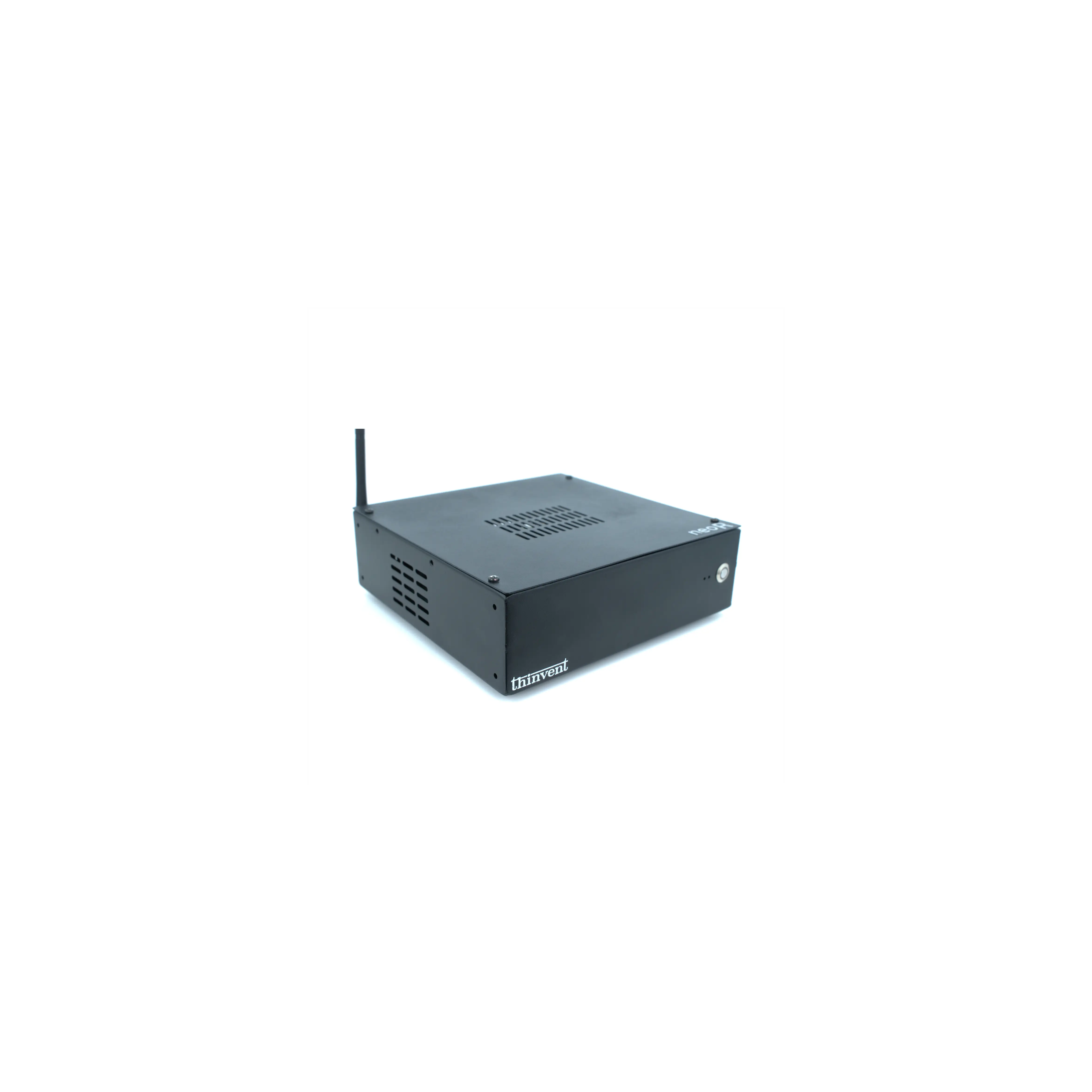
An x86 computer refers to a system built around a microprocessor that is compatible with the instruction set architecture (ISA) originally developed by Intel for its 8086 CPU and its successors. This architecture is the dominant standard for desktop, server, and industrial computing, known for its high performance, extensive software ecosystem, and backward compatibility. x86 systems are powered by processors from manufacturers like Intel and AMD, offering a wide range of performance from low-power, fanless designs for embedded systems to high-core-count CPUs for demanding computational workloads.
Key Specifications and Architecture
The defining feature of an x86 computer is its Complex Instruction Set Computing (CISC) architecture, which allows a single instruction to perform multiple low-level operations. Modern x86 processors integrate multiple cores, advanced cache hierarchies, and support for virtualization technologies. Key technical specifications to consider include:
-
Processor Brand & Series: Primarily Intel (Celeron, Core i3/i5/i7/i9) or AMD Ryzen.
-
Core Count: Ranges from energy-efficient 2-4 cores to high-performance 12+ cores.
-
Memory (RAM): Supports DDR4 or DDR5 memory, typically from 4GB to 64GB+.
-
Storage: Utilizes high-speed interfaces like SATA and NVMe for SSDs.
-
Operating System: Fully compatible with Windows, Linux distributions, and other x86-based OSes.
Industrial Use Cases and Applications
x86 computers are the backbone of modern industrial automation and computing due to their reliability and processing power.
-
Digital Signage & Kiosks: Driving high-resolution displays in retail, hospitality, and public information systems.
-
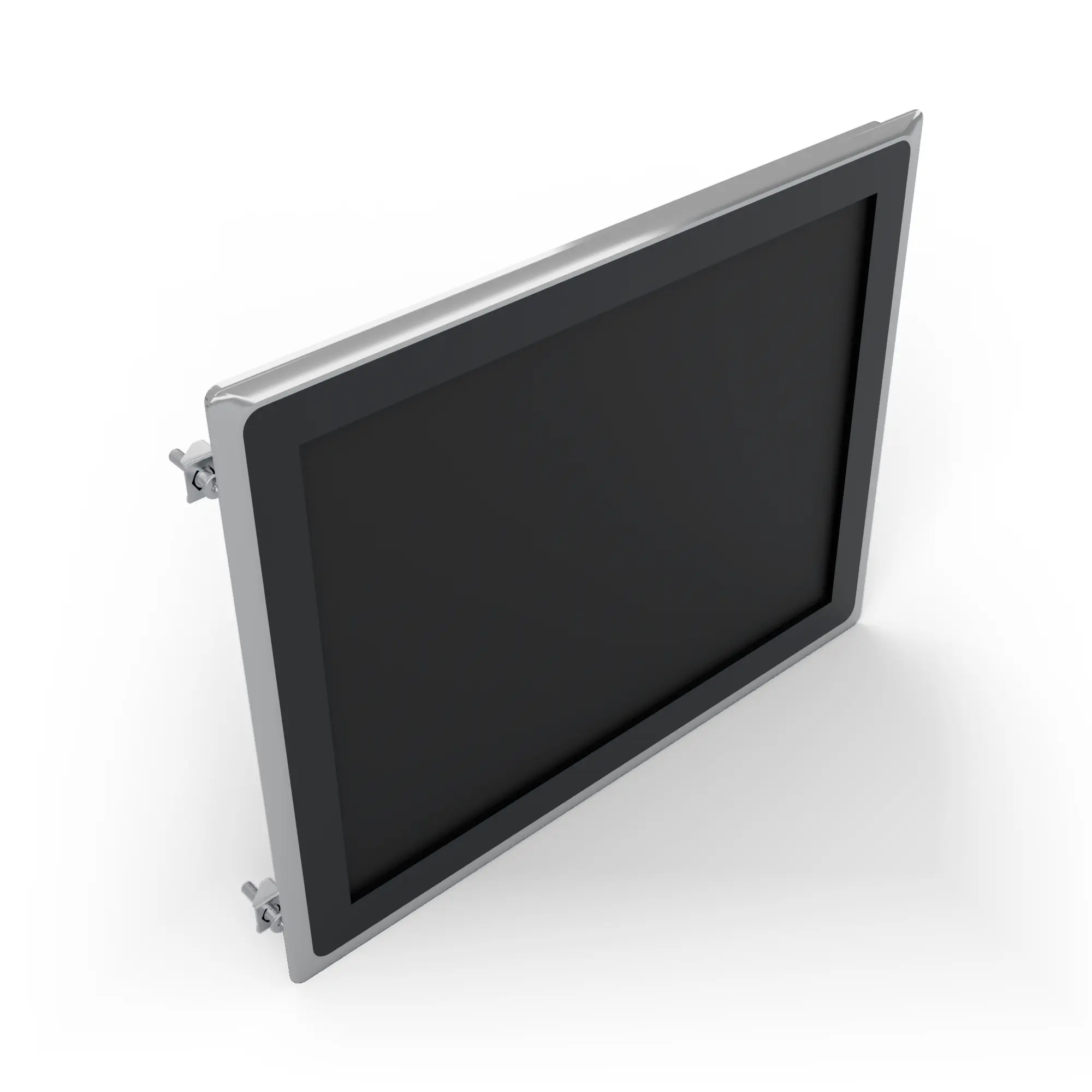
Factory Automation: Acting as programmable logic controller (PLC) hosts, machine vision systems, and Human-Machine Interface (HMI) stations.
-
Edge Computing & IoT Gateways: Processing data locally in smart cities, transportation, and energy management networks.
-
Thin Clients & VDI: Providing secure, centralized desktop access in corporate and healthcare environments.
x86 vs. Alternative Architectures
While x86 dominates general-purpose computing, other architectures like ARM are prevalent in mobile and ultra-low-power scenarios. The choice often depends on the balance between performance, power consumption, and software requirements.
| Feature | x86 Architecture | ARM Architecture |
|---|---|---|
| Primary Use | Desktops, Servers, Industrial PCs | Mobile devices, Embedded IoT |
| Performance | High single-thread & multi-thread | Optimized for power efficiency |
| Software Ecosystem | Vast, including legacy Windows apps | Growing, primarily mobile/cloud-native |
| Power Consumption | Moderate to High | Very Low |
| Example Applications | CAD workstations, data servers | Digital signage players, handheld terminals |
Thinvent's Range of x86 Industrial Computers
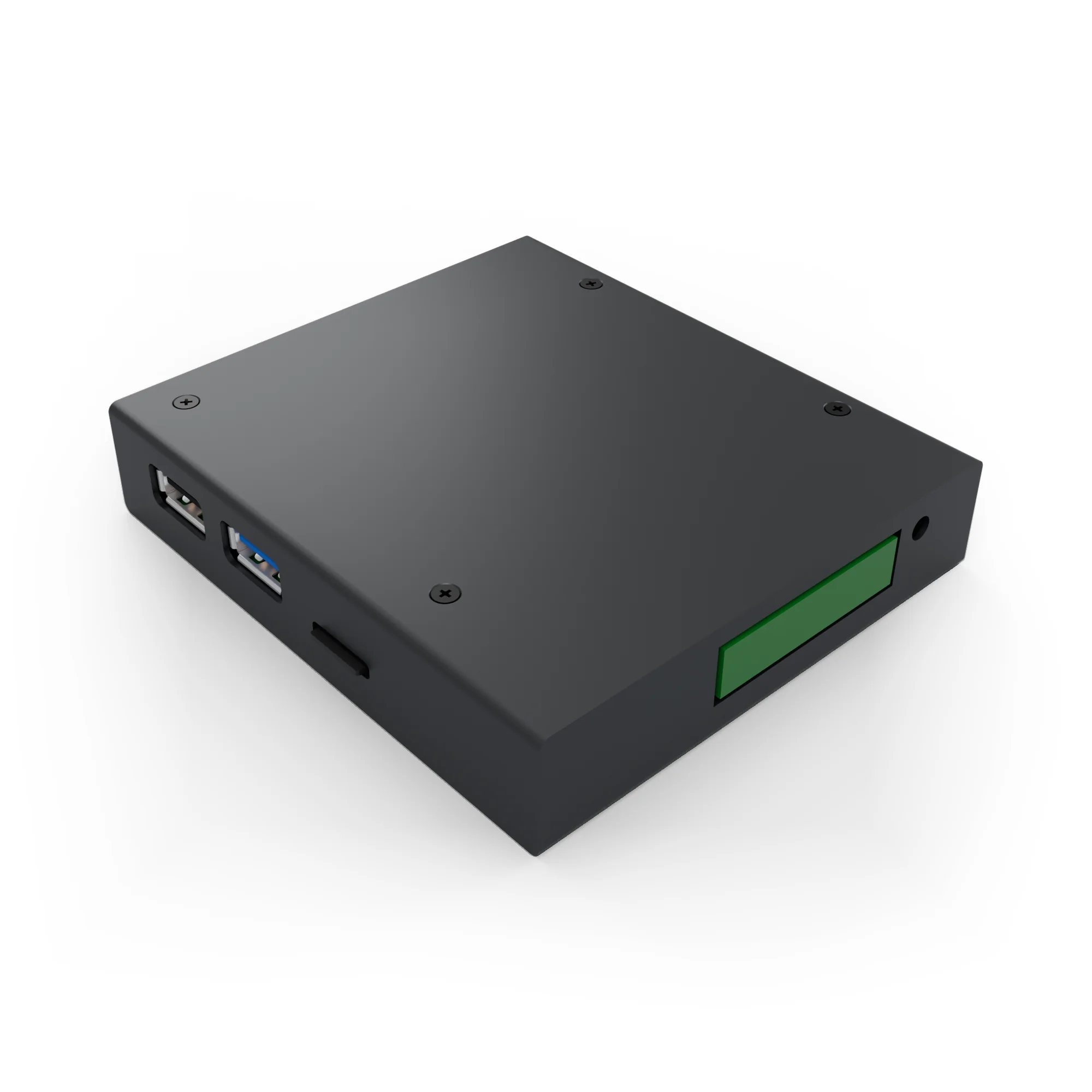
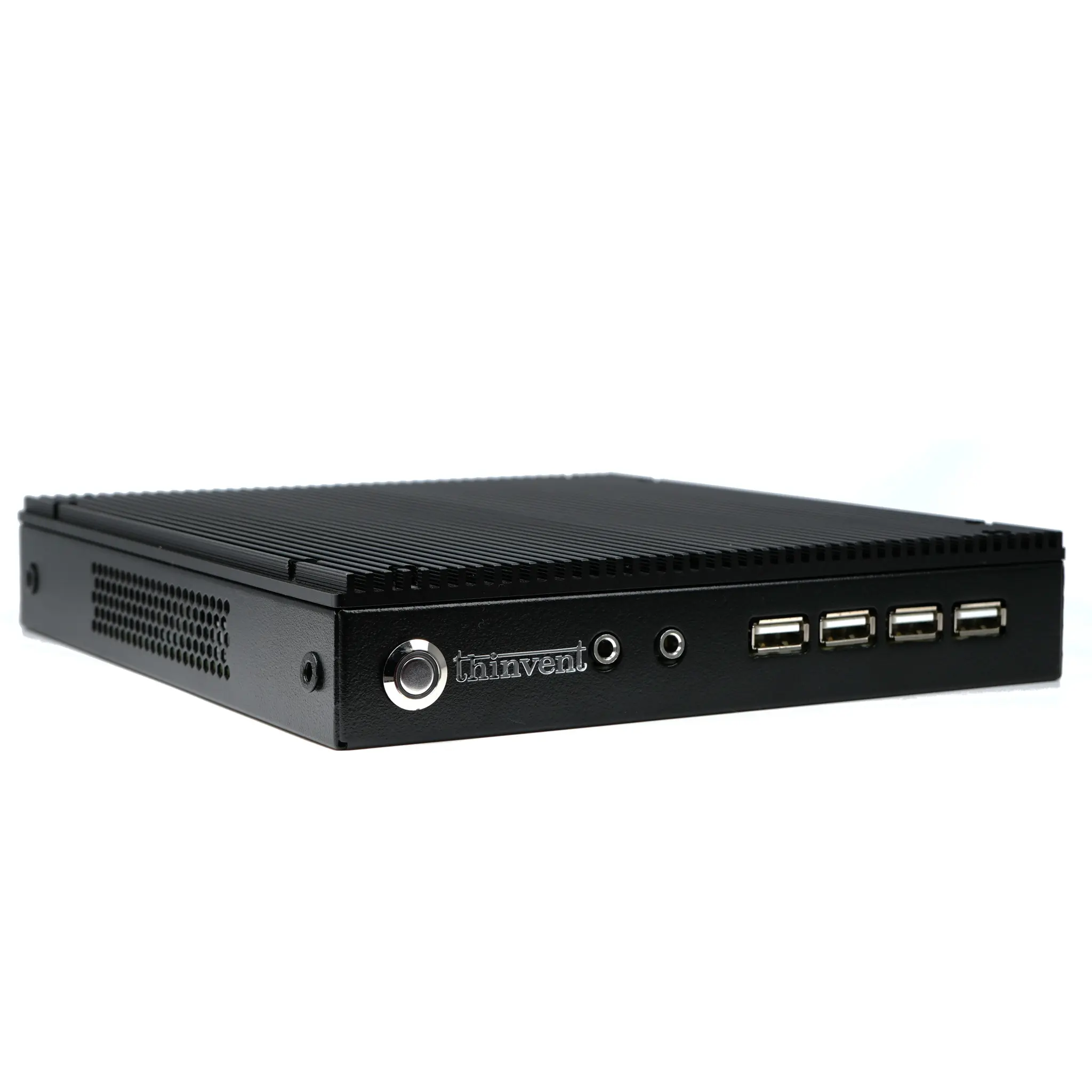
Thinvent specializes in robust, fanless x86 computers designed for 24/7 operation in challenging environments. Our product portfolio includes compact Mini PCs and versatile Industrial PCs powered by efficient Intel processors from the N-series, Celeron, and Core families. These systems feature wide voltage input, extended temperature tolerance, and rich I/O connectivity—making them ideal for your automation, digital signage, and edge computing projects. Explore our selection to find the perfect balance of x86 performance and industrial durability.