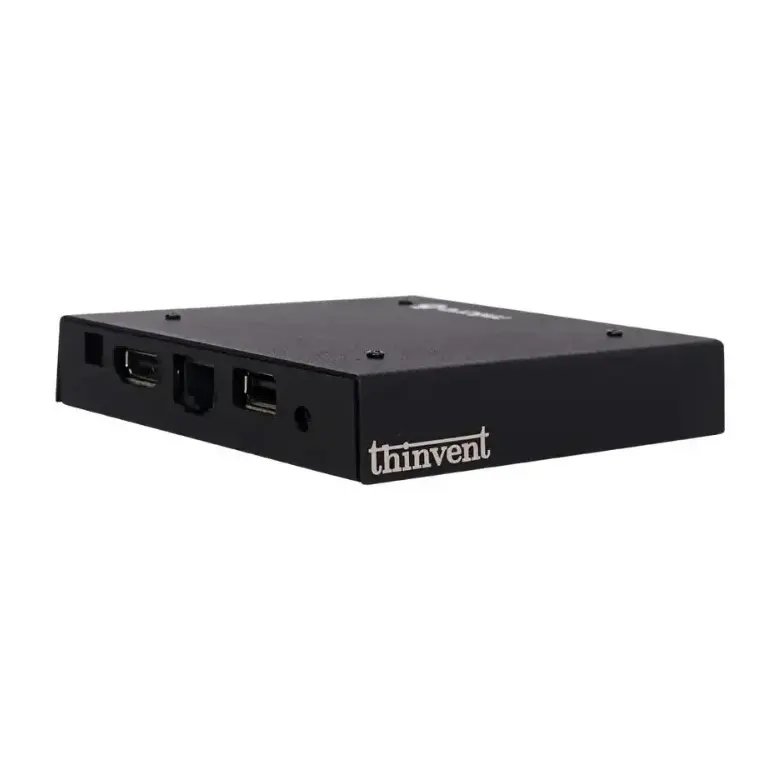
X86 architecture forms the bedrock of modern industrial computing, offering a powerful, standardized, and software-compatible platform for demanding applications. Unlike ARM-based systems, x86 processors from Intel provide broad compatibility with legacy and modern industrial software, including Windows-based SCADA systems, PLC programming suites, and complex data acquisition tools. This reliability stems from decades of development, mature driver ecosystems, and robust thermal and power management features essential for 24/7 operation.
Key Specifications and Technical Advantages
Reliable x86 industrial PCs and mini computers are characterized by their durable construction and high-performance components. Key specifications include Intel processors from the efficient N-series (e.g., N100) for basic tasks to powerful Core i3, i5, and i7 series for intensive workloads. They feature industrial-grade DDR4 RAM, fast SSD storage, and wide-range power inputs (typically 9V-36V DC) for stable operation in volatile electrical environments. A critical feature is fanless, solid-state cooling, which eliminates moving parts—a primary point of failure—ensuring silent, dust-resistant, and maintenance-free operation in harsh conditions.
Primary Use Cases and Applications
These systems are engineered for environments where failure is not an option. Common applications include:
-
Factory Automation & Control: Acting as HMI (Human-Machine Interface) stations, machine vision controllers, and PLC gateways on the shop floor.
-
Digital Signage & Kiosks: Driving displays in retail, transportation hubs, and public venues, requiring constant uptime.
-
Edge Computing & IoT Gateways: Collecting, processing, and transmitting data from sensors and equipment at the network edge.
-
Thin Client & VDI Hosts: Providing secure, centralized desktop access in corporate and industrial settings.
-
Medical and Laboratory Equipment: Where consistent performance and compliance with industry standards are paramount.
Comparison: Industrial PC vs. Mini PC
While both offer x86 reliability, they serve different deployment needs.
| Feature | Industrial PC (IPC) | Mini PC |
|---|---|---|
| Build & Durability | Rugged metal chassis, often with DIN-rail or wall-mount options. Wider operating temperature range. | Compact, consumer-grade chassis suitable for office/light industrial use. |
| Expansion & I/O | Rich I/O (multiple COM, LAN, GPIO) and often expansion slots for specialized cards. | Standard I/O (USB, HDMI, LAN); limited expansion. |
| Power Input | Wide-range DC input (e.g., 9-36V) for direct connection to industrial power systems. | Standard DC adapter (e.g., 12V). |
| Primary Use | Harsh environments (factory floor, outdoors), mission-critical control. | Space-constrained offices, digital signage, light-duty edge computing. |
Thinvent's Range of X86 Industrial Computing Solutions
Thinvent offers a comprehensive portfolio of reliable x86 computing solutions designed for professional and industrial use. Our product lines cater to diverse performance and form factor requirements:
-
Thinvent Treo & Aero Mini PCs: Featuring Intel N-series and Core processors, these compact, fanless systems are perfect for digital signage, light edge computing, and office productivity in a small footprint.
-
Thinvent Industrial PC (IPC) Series: Built for harsh environments, our IPC line (e.g., IPC1, IPC3, IPC5) features rugged metal enclosures, wide-voltage DC input, and a selection of processors from the Intel N100 up to the powerful 12-core i5-1250P. They are ideal for factory automation, machine control, and outdoor kiosks.
-
Customization & OS Options: We provide flexibility with RAM, storage configurations, and operating system choices, including Windows 11 IoT/Pro, Ubuntu Linux, or no OS for embedded deployments.