About Us
Products
Search Products
Configure Your System
Mini PCs
Treo range
Aero range
All in One PCs
Uno 22" range
Uno 24" range
Industrial PCs
IPC 1 range
IPC 3 range
IPC 5 range
Panel PCs
15" Panel PC range
Thin Clients
Product Catalog
Component & Part Catalog
Bundles
Outlet
Bestsellers
Most Viewed
Support
Support Central
Manuals
Videos
Warranty
Download Drivers
Resources
About Thinux
Case Studies
Blog
Careers
Privacy
E-waste
Press Coverage
GeM
Contact Us
0
0
English
Language
Products
Popular Searches and Blogs
Search Products
Search
AI Interpretation:
Related Pages:
Products
Filter
Reset filters
45390
Loading filters...
Loading filters...
Sort by:
Popularity
Price: Low to High
Price: High to Low
Industrial PC IPC5, Intel® Core™ i5-1240P, 16GB DDR4 RAM, 512GB SSD, Windows 11 IoT Value
Aero Mini PC, Intel® Core™ i3-1215U, 8GB DDR4 RAM, 256GB SSD, Windows 11 Pro
Micro 5R Thin Client, ARM® Cortex A53, 2GB Onboard RAM, 16GB eMMC Storage, WiFi 6 and Bluetooth, ...
Industrial PC IPC5, Intel® Core™ i7-1255U Dual LAN, 16GB DDR4 RAM, 512GB SSD, Dual Band WiFi, Win...
Industrial PC IPC3, Intel® Core™ i3-1215U, 8GB DDR4 RAM, 256GB SSD, Ubuntu Linux
Aero Mini PC, Intel® Core™ 5 120U, 16GB DDR4 RAM, 512GB SSD, Dual Band WiFi, Windows 11 Pro
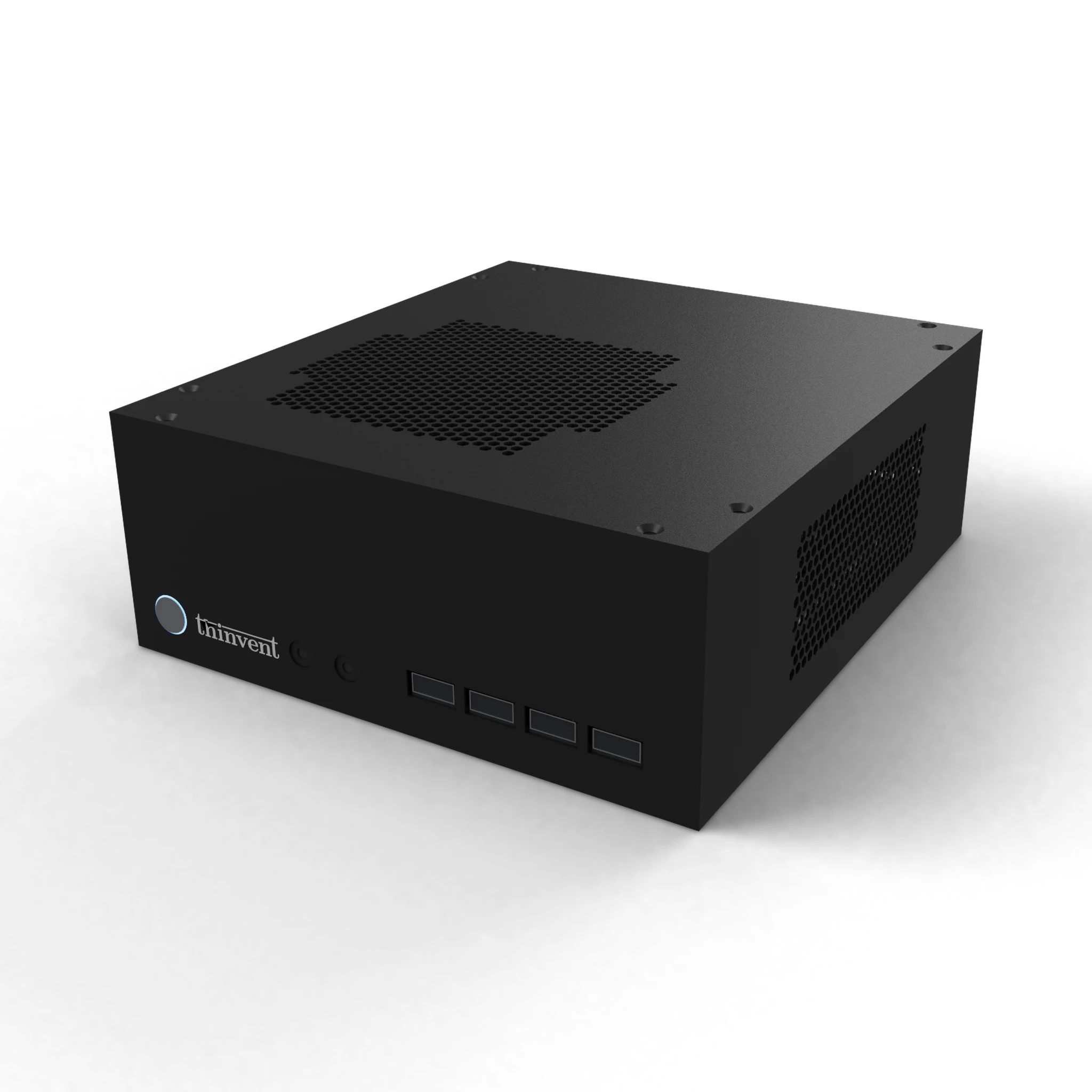
Treo Mini PC, Intel® N5095A, 4GB DDR4 RAM, 128GB SSD, Ubuntu Linux
Industrial PC IPC5, Intel® Core™ i7-1255U Dual LAN, 32GB DDR4 RAM, 1TB SSD, Ubuntu Linux
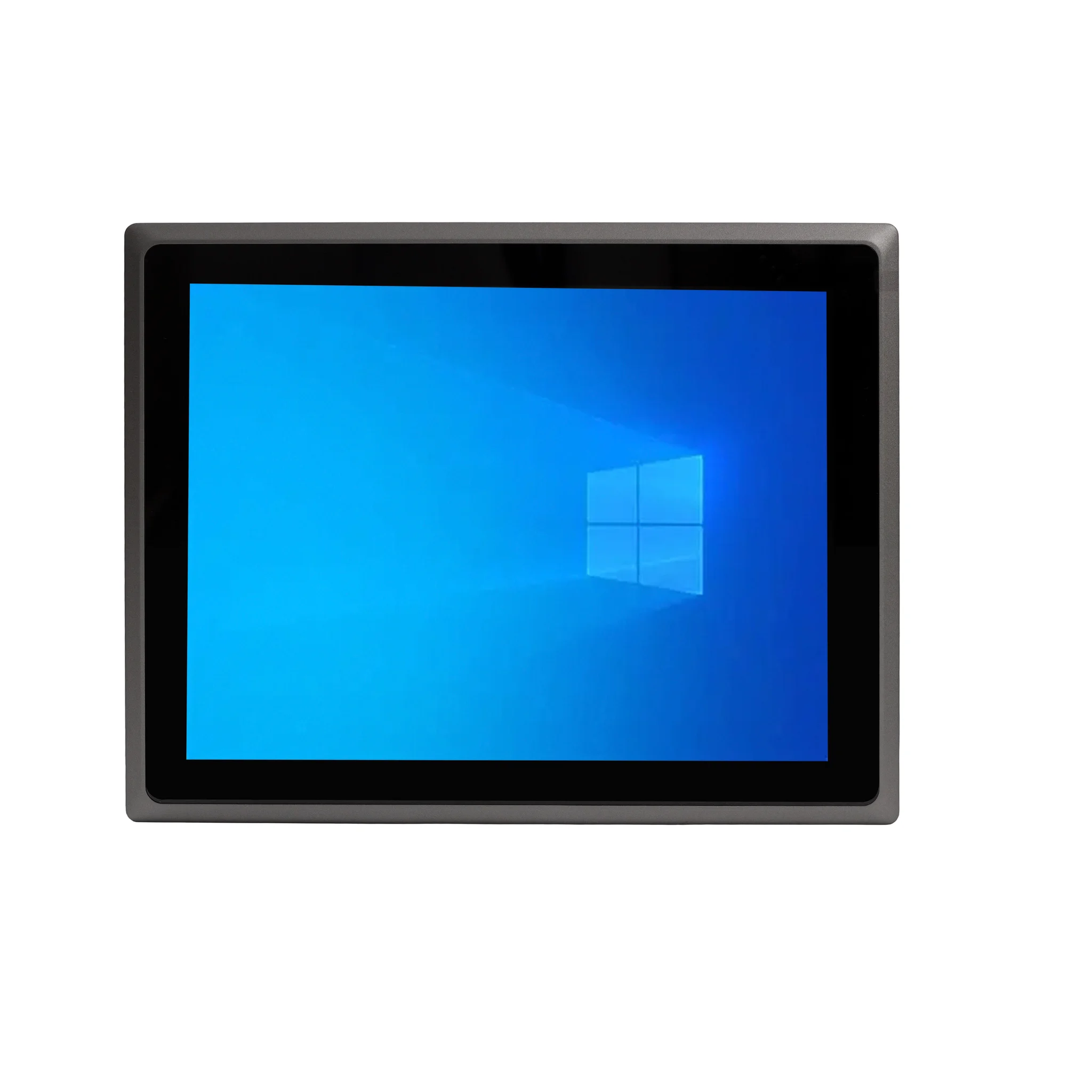
15" Industrial Panel PC, Intel® Core™ i5-1335U, 16GB DDR4 RAM, 512GB SSD, Dual Band WiFi, Windows...
Treo Mini PC, AMD Ryzen™ 5 7430U, 16GB DDR4 RAM, 512GB SSD, Dual Band WiFi, Windows 11 Pro
Industrial PC IPC5, Intel® Core™ i7-1255U Dual LAN, 64GB DDR4 RAM, 1TB SSD, Dual Band WiFi, Ubunt...
Industrial PC IPC5, Intel® Core™ i5-1240P, 32GB DDR4 RAM, 1TB SSD, Dual Band WiFi, Windows 11 Pro
Aero Mini PC, Intel® Core™ i5-1335U, 16GB DDR4 RAM, 512GB SSD, Windows 11 Pro
Micro 6 Pro Mini PC, ARM® Cortex A55, 4GB Onboard RAM, 32GB eMMC Storage, Dual Antenna WiFi, Thin...
Industrial PC IPC5, Intel® Core™ i5-1240P Dual LAN, 16GB DDR4 RAM, 512GB SSD, Dual Band WiFi, Win...
Industrial PC IPC5, Intel® Core™ i5-1240P, 16GB DDR4 RAM, 512GB SSD, Dual Band WiFi, Without OS
Aero Mini PC, Intel® Core™ i7-1255U Dual LAN, 16GB DDR4 RAM, 256GB SSD, Windows 11 Pro
Neo H Mini PC, Intel® J1900, 4GB DDR3 RAM, 32GB MLC SSD, Ubuntu Linux
Treo Mini PC, AMD Ryzen™ 5 7430U, 8GB DDR4 RAM, 256GB SSD, Dual Band WiFi, Windows 11 Pro
Aero Mini PC, Intel® Core™ i3-1215U, 8GB DDR4 RAM, 256GB SSD, Dual Band WiFi, Ubuntu Linux
Load More Products
View Details
We use cookies on this site
Privacy Policy
Reject
Accept