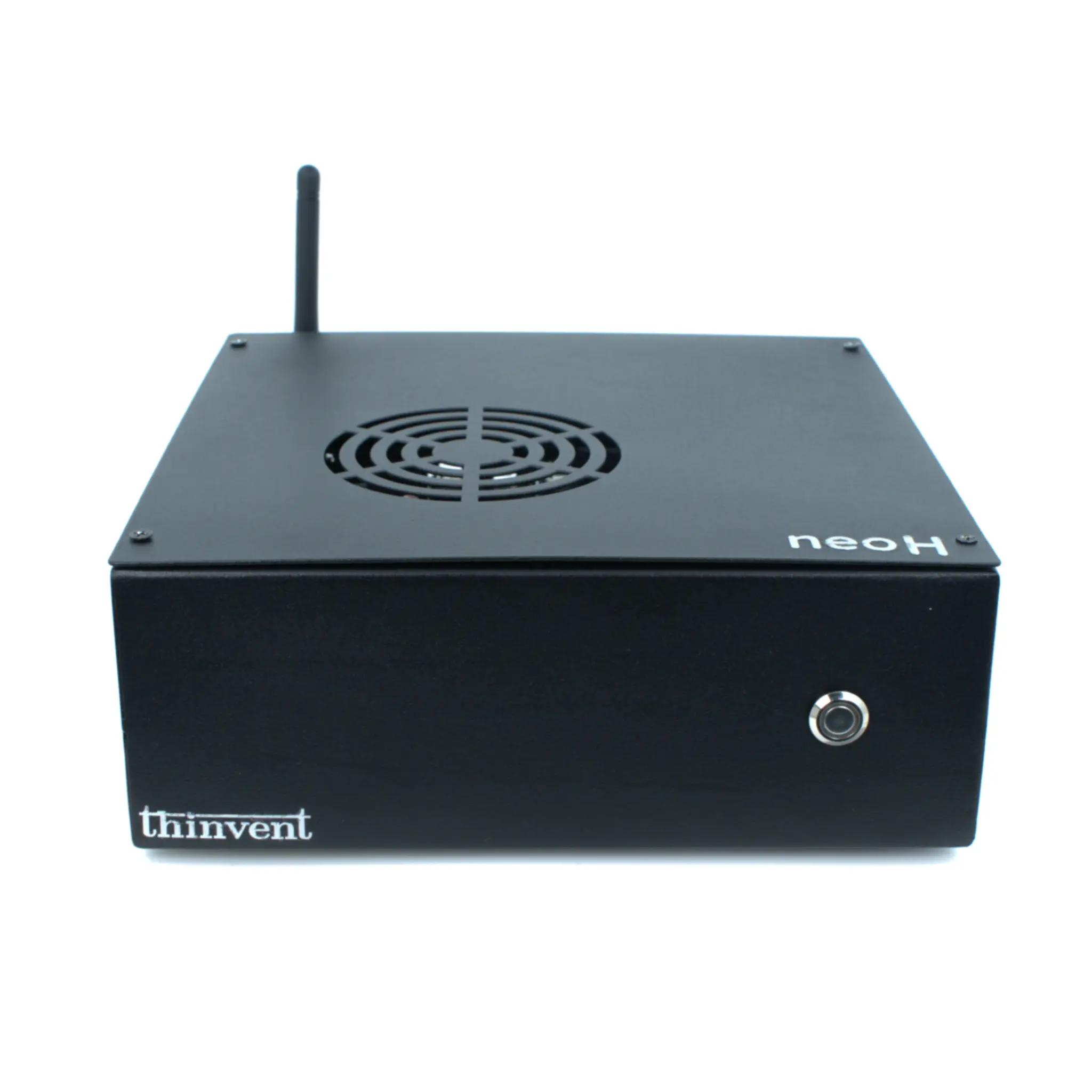
What is an XPC Computer?
An XPC computer, often synonymous with an ultra-compact or small form factor (SFF) PC, is a highly integrated, space-saving computing solution designed for environments where size, power efficiency, and reliability are critical. These systems typically feature fanless, solid-state designs for silent operation and durability in harsh conditions. They are engineered to deliver essential computing performance for specialized tasks without the bulk of traditional desktop towers.
Key Specifications and Technical Details
Modern XPC computers are built around low-power, high-efficiency processors from brands like Intel, often from the Celeron or Intel Processor N series. Key specifications include:
-
Form Factor: Extremely compact, often measuring just a few inches in each dimension.
-
Cooling: Passive, fanless cooling systems eliminate moving parts, reducing points of failure and enabling operation in dusty or volatile environments.
-
Processors: Utilize efficient CPUs like the Intel N100 (4 cores) or similar, balancing performance with minimal thermal design power (TDP).
-
Memory & Storage: Typically equipped with soldered or SODIMM DDR4 RAM (e.g., 8GB, 16GB) and fast M.2 SSD storage (e.g., 128GB, 256GB).
-
Connectivity: Offer a range of ports including multiple USB (2.0, 3.2), HDMI for display output, and Gigabit Ethernet for network reliability.
-
Power: Use external power adapters (e.g., 12V DC), contributing to their small internal footprint.
Use Cases and Applications
The robust and compact nature of XPC computers makes them ideal for embedded and industrial applications:
-
Digital Signage & Kiosks: Powering interactive displays in retail, hospitality, and public spaces.
-
Industrial Automation: Serving as a controller for manufacturing equipment, often in settings with wide temperature ranges.
-
Thin Clients & VDI: Providing a secure, manageable endpoint for virtual desktop infrastructure.
-
Edge Computing: Processing data locally in IoT networks, transportation, and smart city infrastructure.
-
Home Theater PCs (HTPCs): A silent, small media center for entertainment systems.
Comparison of Common XPC Processor Types
| Feature | Intel Processor N Series (e.g., N100) | Intel Core i-Series (e.g., i3) | ARM-based Processors |
|---|---|---|---|
| Primary Use | Basic computing, embedded systems, digital signage | General productivity, light multitasking | Ultra-low power, specialized embedded/IoT |
| Performance | Efficient for lightweight tasks | Higher performance for applications | Varies; often optimized for specific workloads |
| Power/Thermals | Very low TDP, fanless design possible | Moderate TDP, may require active cooling | Extremely low power, often fanless |
| Typical Cost | Cost-effective | Mid-range | Varies widely |
Thinvent's Range of XPC Solutions
Thinvent specializes in reliable, fanless XPC computers designed for 24/7 operation in demanding scenarios. Our Aero Mini PC series exemplifies this commitment, featuring the efficient Intel N100 processor in a rugged, compact chassis. These systems come configured with ample DDR4 RAM and SSD storage, supporting a variety of operating systems including Windows 11 IoT, Windows 11 Pro, and Linux distributions like Ubuntu. Built for connectivity and durability, Thinvent XPCs are perfect for deploying scalable, low-maintenance computing solutions across industrial, commercial, and digital signage applications worldwide.