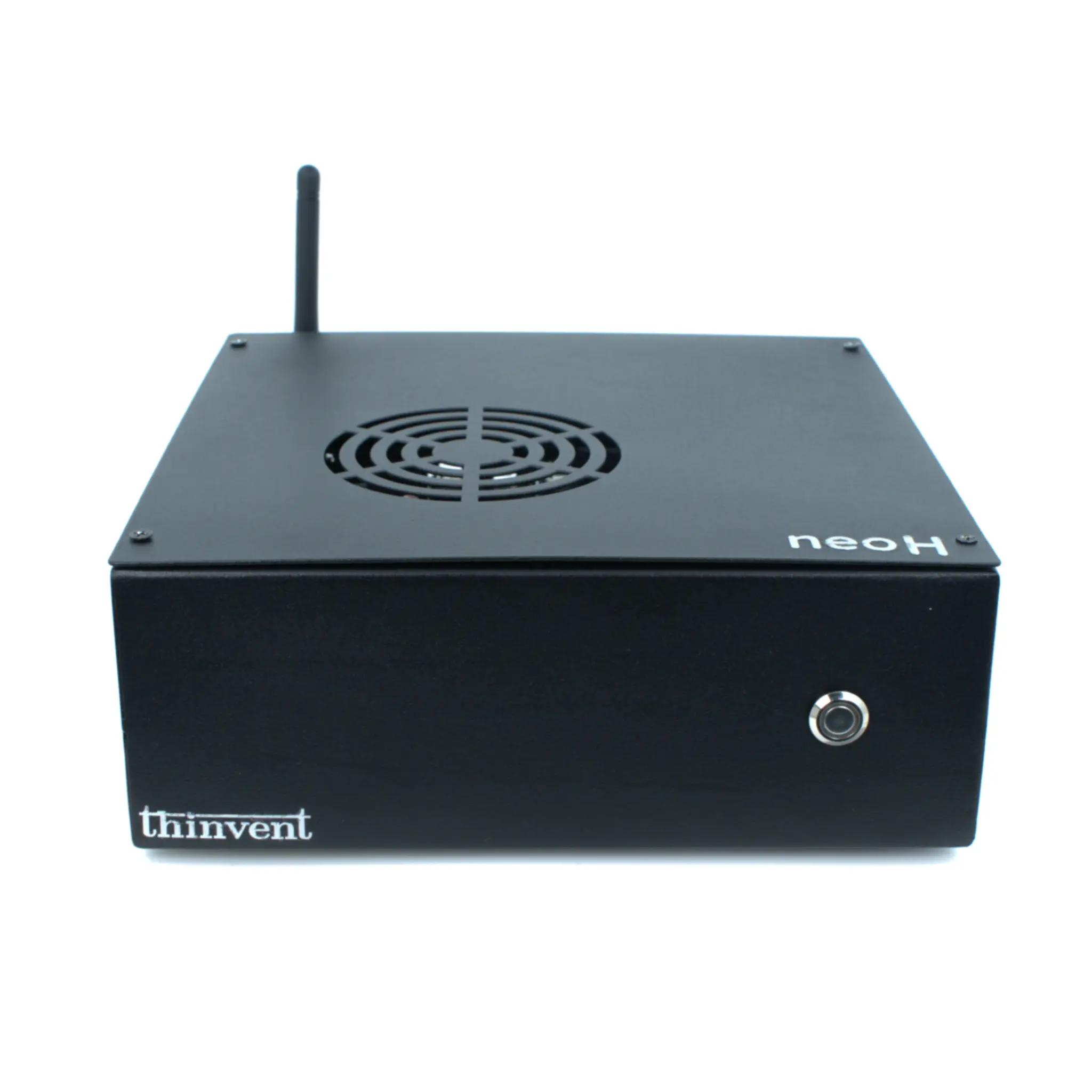
What Are Fanless Industrial Computers?
Fanless industrial computers are compact, rugged computing systems designed to operate without internal cooling fans. They rely on passive cooling techniques, such as heat sinks and thermally conductive chassis, to dissipate heat. This design eliminates moving parts, making them exceptionally reliable for demanding environments where dust, vibration, and extreme temperatures are concerns. They are built for 24/7 operation and are a cornerstone of modern industrial automation and embedded applications.
Key Specifications and Technical Advantages
The core advantage of a fanless design is its enhanced reliability and silent operation. Key technical specifications that define these systems include:
-
Rugged Construction: Typically housed in all-metal, IP-rated enclosures for protection against dust and moisture.
-
Wide Temperature Range: Engineered to operate reliably in extended temperature ranges, often from -20°C to 60°C or wider.
-
Rich I/O Connectivity: Equipped with multiple industrial-grade ports, including Gigabit Ethernet, USB, serial (COM), and display outputs (HDMI, DP, VGA) for connecting to various peripherals and monitors.
-
Low-Power, Efficient Processors: Utilize Intel Celeron, Atom, or Core i-series processors (or ARM-based equivalents) that generate minimal heat, enabling effective passive cooling.
-
Shock and Vibration Resistance: Securely mounted components and solid-state storage (SSDs) ensure stable operation in mobile or high-vibration settings.
Primary Use Cases and Applications
The robustness of fanless computers makes them ideal for deployments where standard PCs would fail. Common applications include:
-
Industrial Automation: Machine control, PLC supervision, and HMI (Human-Machine Interface) stations on the factory floor.
-
Digital Signage & Kiosks: Powering interactive displays in retail, hospitality, and public transportation, where silent operation is crucial.
-
Edge Computing & IoT Gateways: Collecting, processing, and transmitting data from sensors and equipment in field locations.
-
Transportation & Logistics: In-vehicle computing for fleet management, surveillance, and mobile data terminals.
-
Thin Client & VDI: Serving as durable and low-maintenance endpoints for virtual desktop infrastructure.
Comparison: Fanless vs. Traditional Industrial PCs
| Feature | Fanless Industrial PC | Traditional Industrial PC (with Fan) |
|---|---|---|
| Cooling Method | Passive (Heat Sinks/Chassis) | Active (Internal Fans) |
| Acoustic Noise | Silent (0 dB) | Audible fan noise |
| Dust & Debris Ingress | Highly resistant (sealed design) | Vulnerable (requires air filters) |
| Mechanical Failure Points | None (no moving parts) | Fans can wear out and fail |
| Typical Operating Temp Range | Wider (e.g., -20°C to 60°C) | Narrower (dependent on fan efficiency) |
| Maintenance | Minimal to none | Requires periodic fan/ filter cleaning |
| Best For | Dirty, dusty, or silent environments; 24/7 reliability | High-performance computing where heat output exceeds passive cooling capacity |
Thinvent Fanless Industrial Computing Solutions
Thinvent specializes in manufacturing a comprehensive range of reliable fanless industrial computers. Our product portfolio includes robust Mini PCs, space-saving Thin Clients, and integrated All-in-One panels, all built with our signature fanless architecture. Whether you need a compact edge computing node with an Intel N-Series processor for basic tasks or a more powerful system with an Intel Core i5 for demanding applications, Thinvent offers scalable solutions. Our systems come with various configuration options for memory, storage, and operating systems (including Windows, Linux, and FreeDOS) to precisely match your project requirements, ensuring durability and performance in any industrial setting.