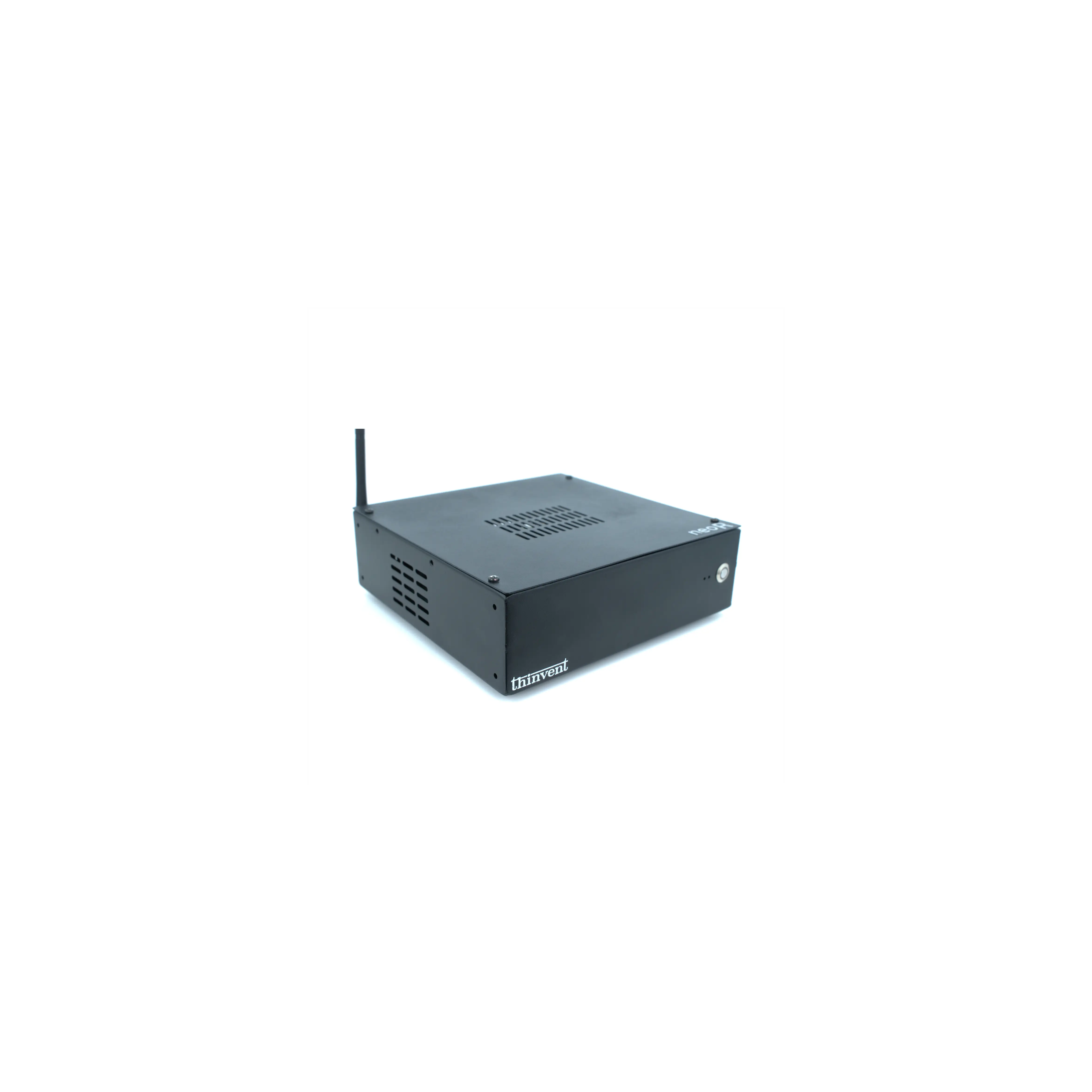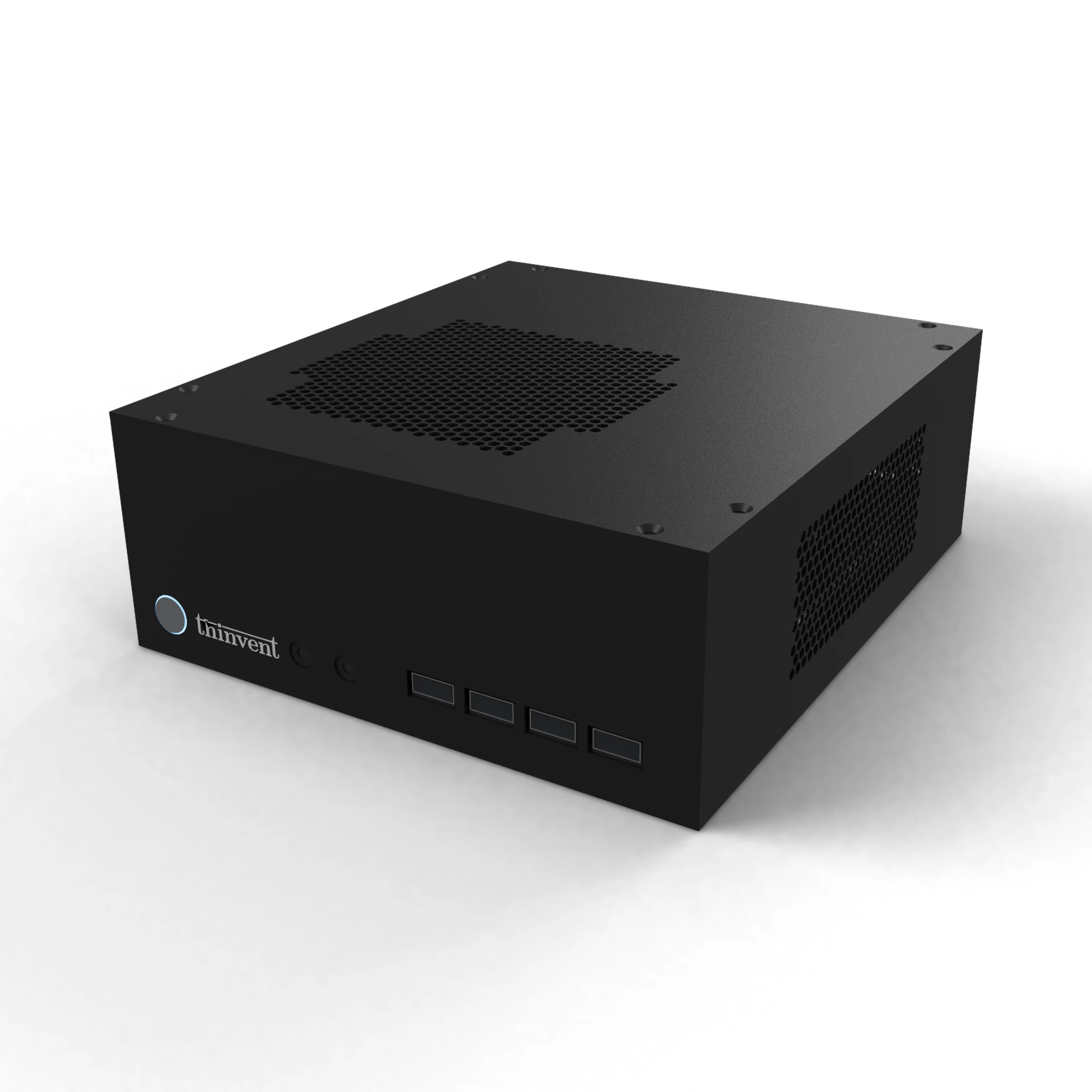
What Is a Compact Computer?
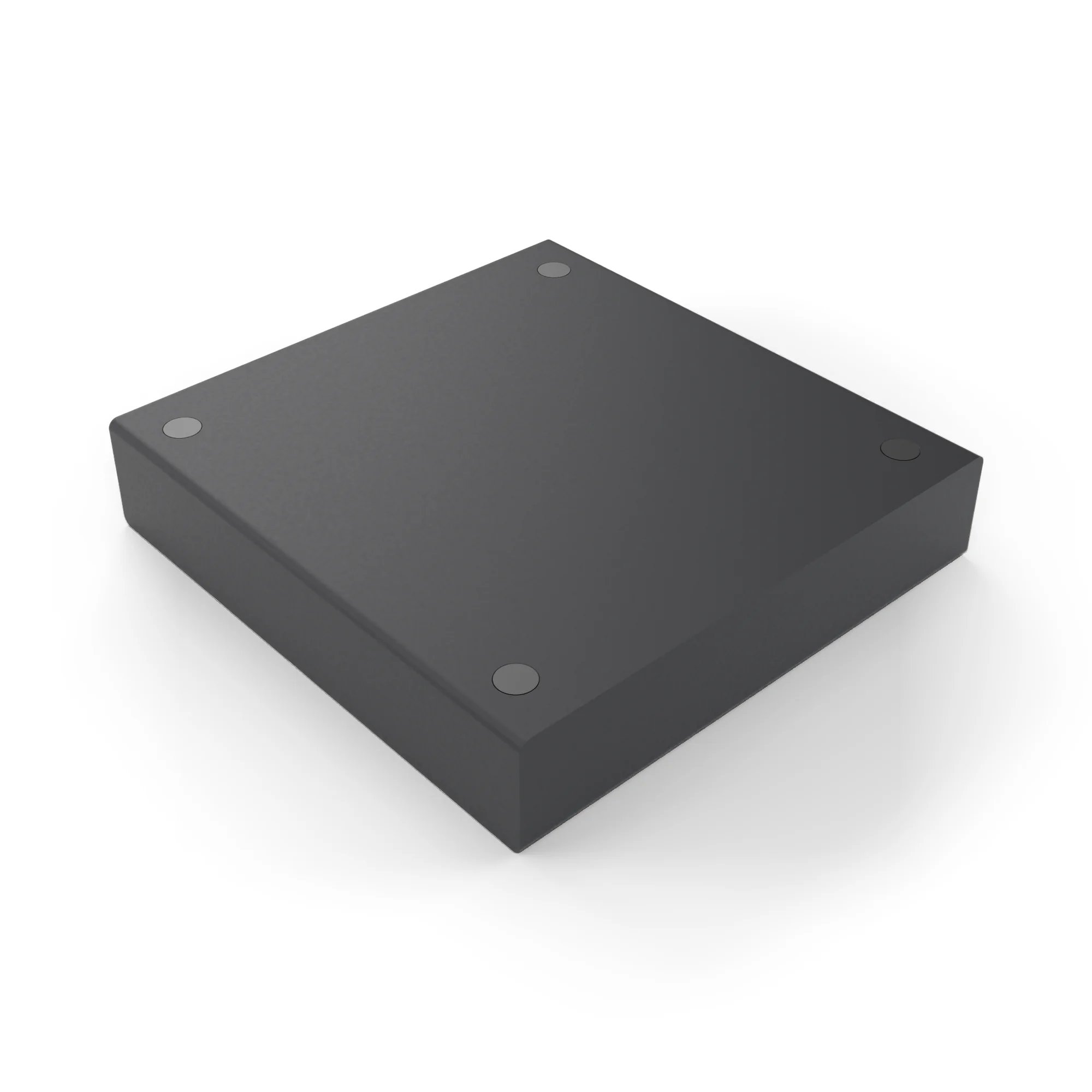
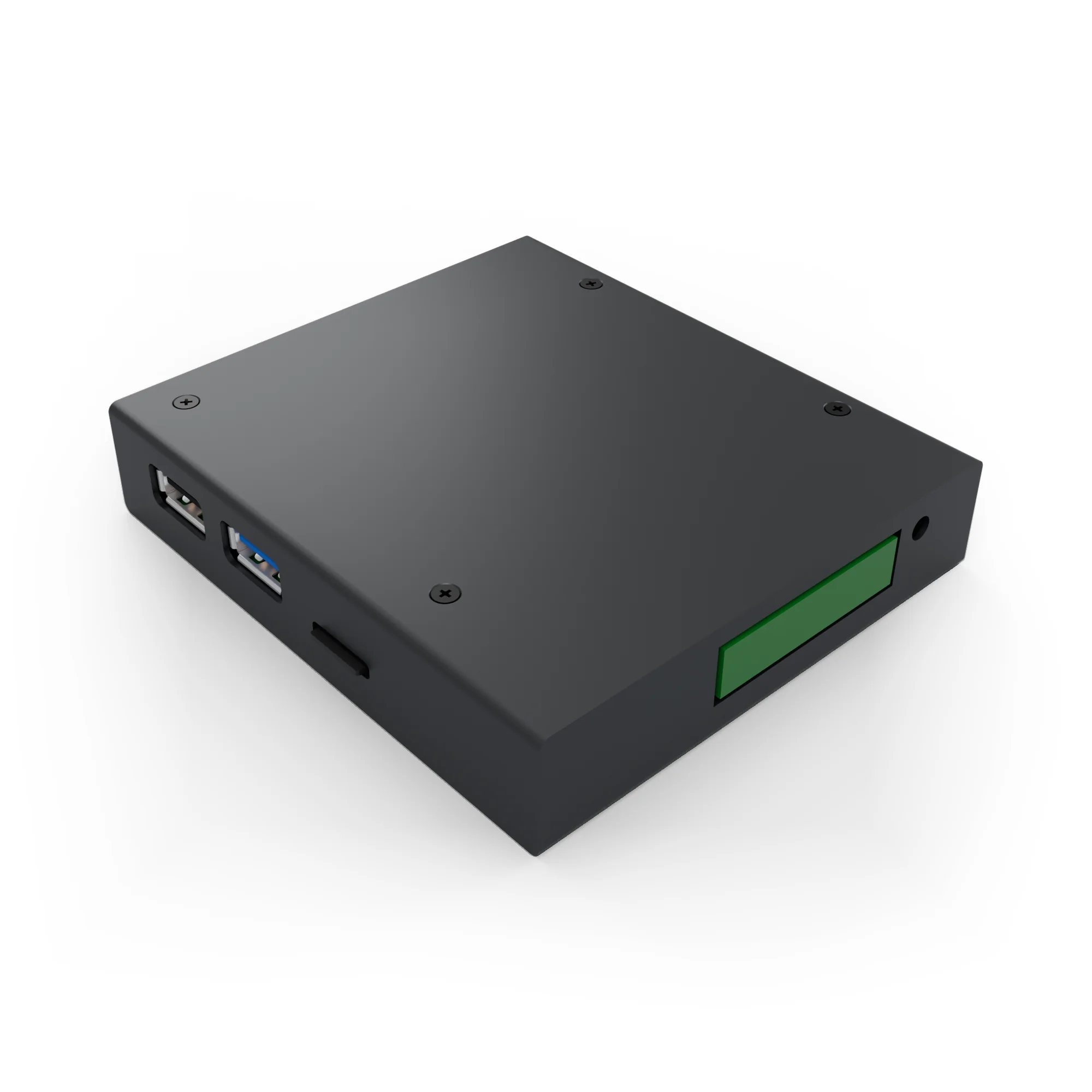
A compact computer is a small-form-factor system built to deliver full desktop-class performance in a chassis that takes up a fraction of the space of a traditional tower PC. Instead of large internal expansion bays, compact computers use soldered or SO-DIMM memory, M.2 or 2.5-inch storage, and highly integrated motherboards. The result is a machine that can be mounted behind a display, inside a control cabinet, on a DIN rail, or under a desk — while still running standard operating systems such as Windows 11 Pro, Windows 11 IoT, Ubuntu Linux or embedded Linux.
The main appeal is not just size. Compact systems are typically fanless or use minimal moving parts, which means no dust ingress through a spinning fan, no filter maintenance, and far greater resistance to vibration and shock. That makes them suitable for shop floors, kiosks, vehicles, laboratories and retail counters where a conventional desktop would fail early.
Key Specifications to Consider
When choosing a compact computer, the specification decisions that matter most are the processor, memory, storage, connectivity and thermal design. Modern Intel® processors such as the Core™ i3-1215U (6 cores, up to 4.4 GHz, 10 MB cache) and the Intel® N-series (N95, N100, N150) offer strong performance per watt, which is exactly what a small, sealed enclosure needs.
| Attribute | Typical Range | Why It Matters |
|---|---|---|
| Processor | Intel® Celeron®, N95/N100/N150, Core™ i3/i5 | Balances performance against heat output |
| Cores | 4 to 12 | Multitasking, virtualisation, edge analytics |
| Memory | 4 GB to 64 GB DDR4/DDR5 | Headroom for OS, apps and browser tabs |
| Storage | 128 GB to 1 TB SSD | Fast boot, silent operation, shock resistance |
| Ethernet | 1000 Mbps, single or dual port | Network redundancy, PLC and camera links |
| Video out | 1 or 2 × HDMI | Dual-display kiosks and control rooms |
| USB | USB 3.2 Gen 2, USB-C | Peripherals, cameras, programming |
| Cooling | Fanless / passive | Dust, heat and vibration tolerance |
Common Applications
Compact computers appear wherever space, reliability or silent operation is at a premium:
-
Industrial automation — machine control, HMI, SCADA nodes, data logging and gateway duties on the factory floor.
-
Retail and hospitality — point-of-sale terminals, digital signage players and self-service kiosks.
-
Healthcare and laboratories — instrument control, imaging workstations and sample tracking.
-
Transport and logistics — fleet telematics, warehouse terminals and vehicle-mounted computing.
-
Office and education — thin client endpoints, virtual desktop access and shared workstations.
-
Edge computing — local data collection, protocol conversion and lightweight analytics close to the source.
Fanless vs Actively Cooled Designs
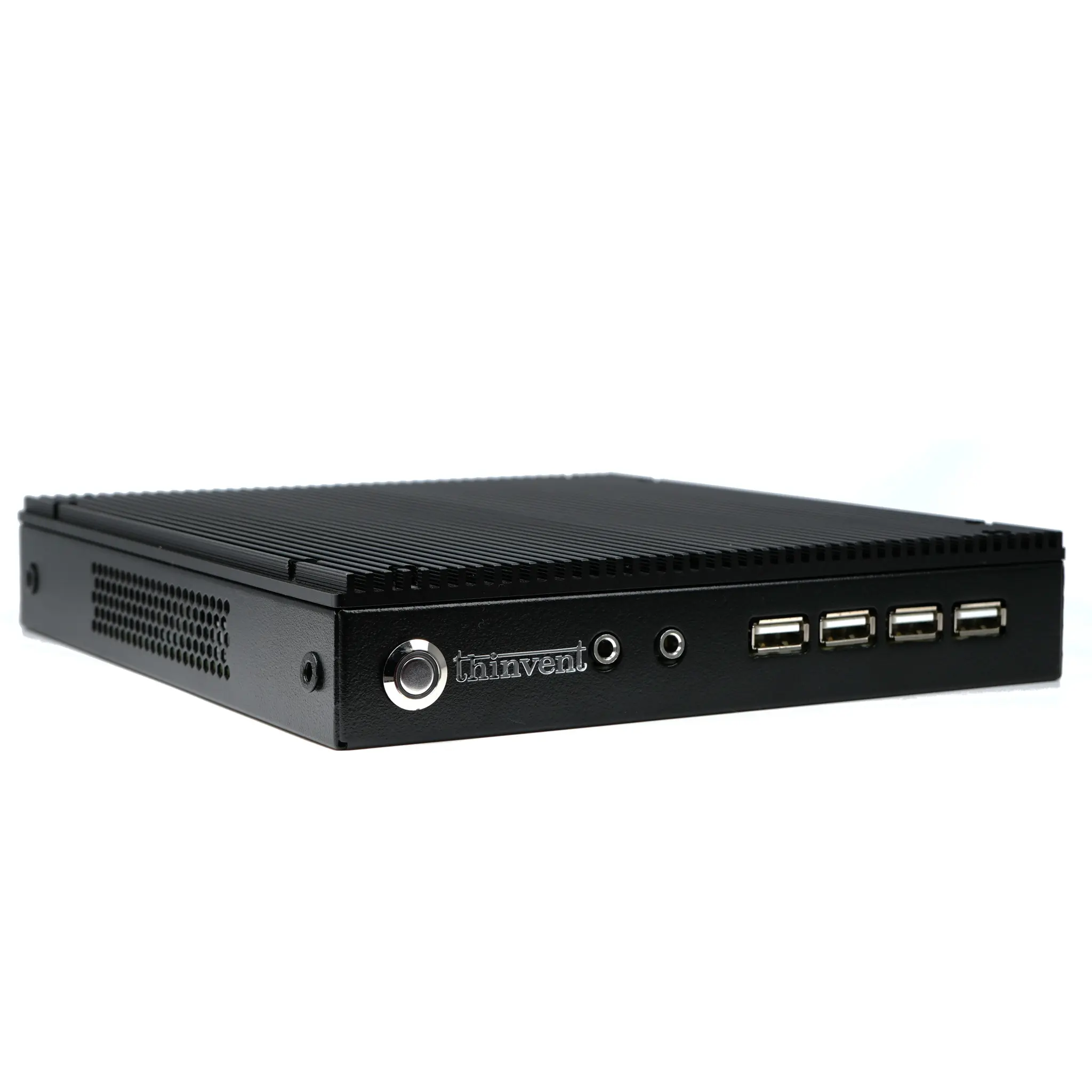
A fanless compact computer relies on the chassis itself as a heatsink. Heat moves from the processor to the enclosure by conduction, and the ribbed surface dissipates it into the surrounding air. This eliminates the single most common failure point in small PCs — the fan bearing — and removes the need for intake filters. Actively cooled models can sustain higher sustained loads, but they draw in dust and require periodic servicing. For dusty, hot or vibration-prone environments, a fanless design is usually the better long-term choice.
Mounting and Installation
Compact computers are usually supplied with VESA mounting points, DIN-rail brackets or wall-mount ears. Because they run on low-voltage DC inputs such as 12V, they can be powered from industrial supplies, battery systems or vehicle electrical networks. Wide-input variants tolerate voltage fluctuations, making them practical for mobile and remote installations. Careful attention to airflow clearance around the chassis is still required, even for fanless units.
Thinvent's Compact Computing Range
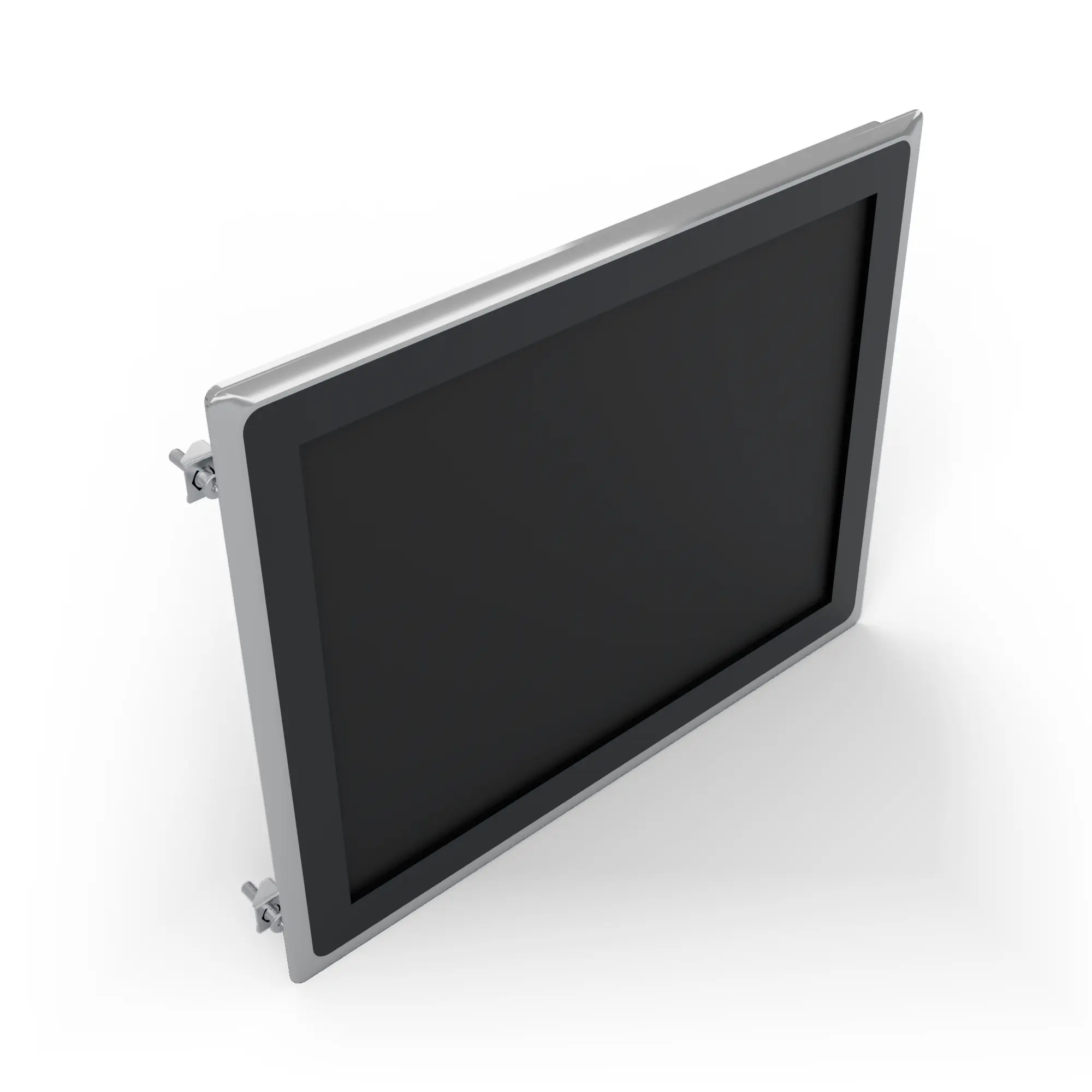
Thinvent builds compact, rugged computing hardware for industrial and commercial deployments worldwide. The range includes Industrial PCs designed for fanless operation and continuous duty, Mini PCs for space-constrained desktops and kiosks, Thin Clients for virtual desktop and server-based computing, and All-in-One PCs that integrate the display and system into a single unit. Configurations span Intel® Celeron®, N-series and Core™ i3/i5 processors, 4 GB to 64 GB of memory, SSD storage from 128 GB to 1 TB, single or dual gigabit Ethernet, HDMI and USB-C connectivity, and a choice of Windows 11 Pro, Windows 11 IoT, Ubuntu Linux, embedded Linux or no operating system. Serial-port variants with multiple DB9 connectors are available for legacy industrial equipment, PLCs and instrumentation.