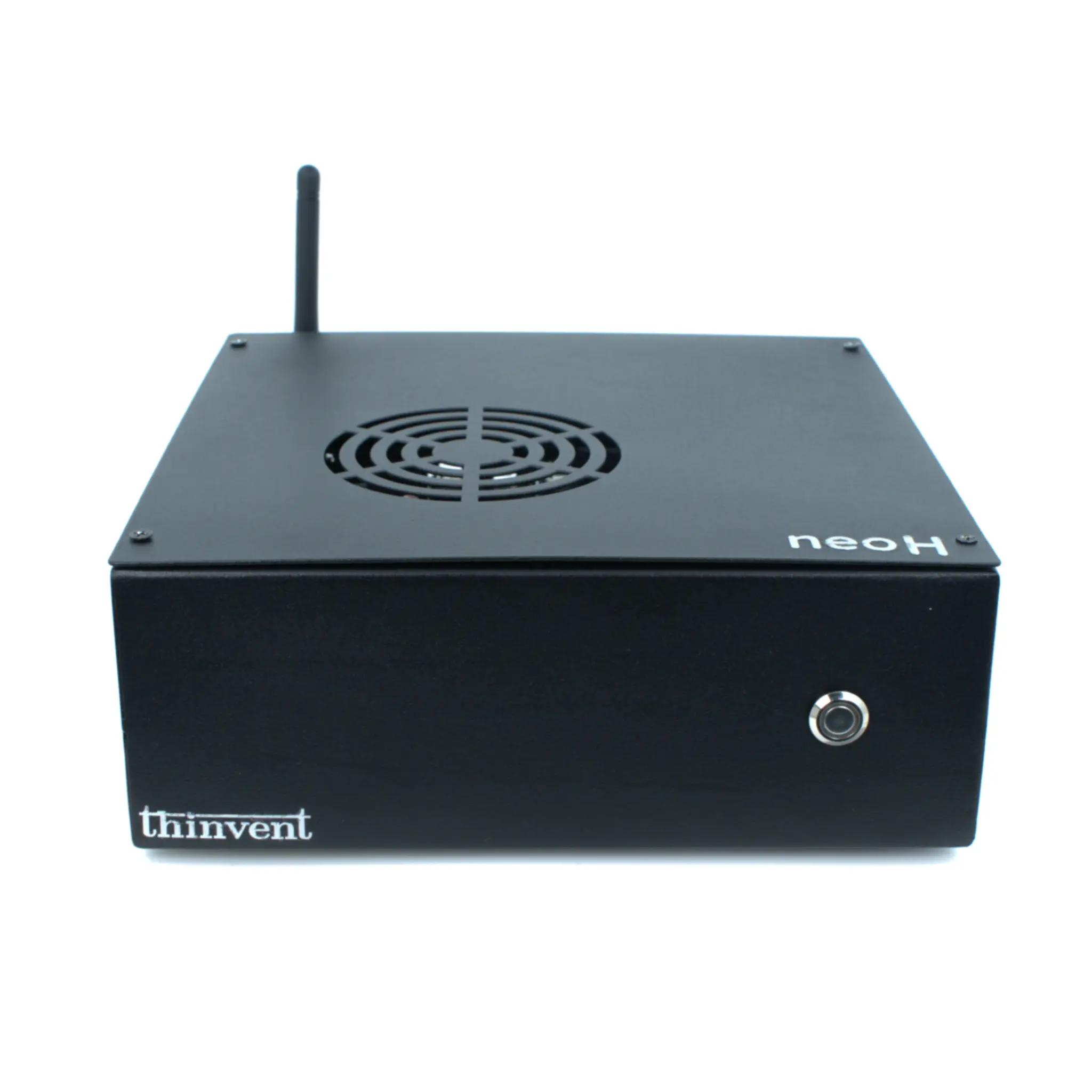
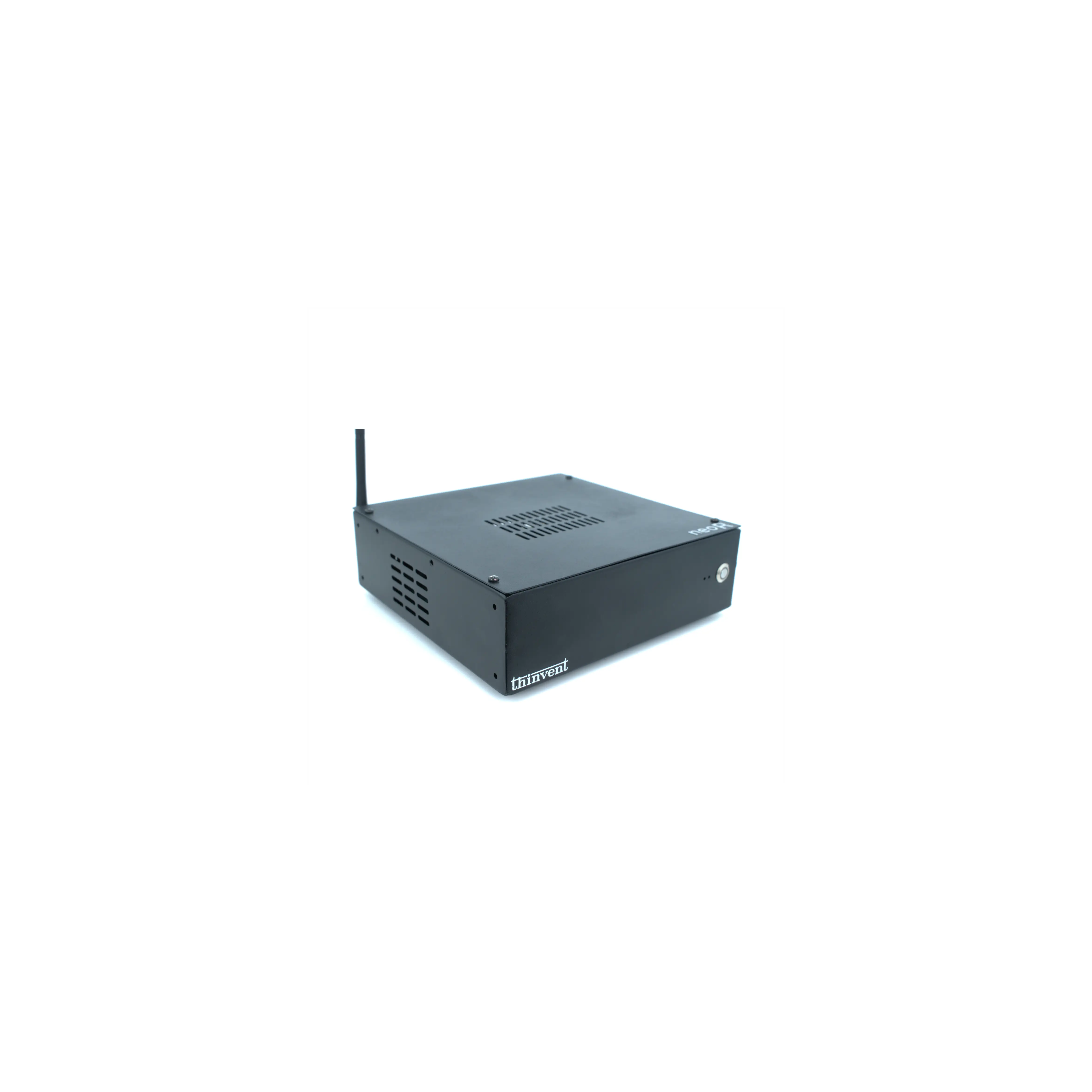
What Are Mini PCs?
A mini PC is a compact, space-saving desktop computer that offers full computing functionality in a significantly smaller form factor than a traditional tower. These devices are designed for environments where space is at a premium, power efficiency is desired, and a low-noise, fanless operation is beneficial. They integrate core components like the processor, memory, and storage into a single, small chassis, often using mobile or low-power desktop processors to balance performance with thermal and power constraints.
Key Specifications and Technical Details
Modern mini PCs are powered by efficient processors from brands like Intel, featuring series such as the N-series (e.g., Intel N100) or Core i3/i5. Key specifications to consider include:
-
Processor: Typically Intel Celeron, N-series, or Core i-series CPUs with 4 to 12 cores.
-
Memory (RAM): Configurations commonly range from 4GB to 64GB of DDR4 or DDR5 RAM.
-
Storage: Utilizes solid-state drives (SSDs) from 128GB to 1TB or more for fast boot times and application loading.
-
Connectivity: Standard features include Gigabit Ethernet, multiple USB ports (including USB 3.2 and USB-C), HDMI/DisplayPort outputs for multi-monitor setups, and often Wi-Fi and Bluetooth.
-
Cooling: Many industrial-grade models use fanless, passive cooling for silent, reliable operation in dusty environments.
Use Cases and Applications
The compact size and robust build of mini PCs make them ideal for a wide range of commercial and industrial applications:
-
Digital Signage & Kiosks: Powering interactive displays in retail, hospitality, and public spaces.
-
Office Productivity: As energy-efficient desktops for general office work, web browsing, and video conferencing.
-
Industrial Automation: Deployed in factories for machine control, data acquisition, and HMI (Human-Machine Interface) systems due to their durability.
-
Thin Client & VDI: Serving as endpoints for virtual desktop infrastructure, centralizing management and security.
-
Home Entertainment: Functioning as compact media centers or home theater PCs (HTPCs).
Comparison: Mini PC vs. Traditional Desktop
| Feature | Mini PC | Traditional Desktop Tower |
|---|---|---|
| Form Factor | Extremely compact (often palm-sized) | Large, requires significant desk/floor space |
| Power Consumption | Low (typically 10W-65W) | High (can exceed 500W for gaming rigs) |
| Noise Level | Silent (fanless models) or very quiet | Can be noisy under load due to cooling fans |
| Upgradability | Limited; often RAM and SSD only | Highly upgradable (GPU, CPU, RAM, storage) |
| Typical Use Case | Space-constrained, commercial, embedded | High-performance gaming, workstations, servers |
Thinvent Mini PCs with Advanced Features
Thinvent offers a robust lineup of industrial mini PCs designed for reliability and performance in demanding settings. Our Aero series, for example, features fanless designs with efficient Intel processors like the N100, ensuring silent operation and longevity by eliminating moving parts. These systems come with various memory and storage configurations and support multiple operating systems, including Windows 11, Ubuntu Linux, and our proprietary Thinux™ Embedded Linux, providing flexibility for diverse project requirements. Built for 24/7 operation, Thinvent mini PCs are ideal for digital signage, factory automation, and edge computing applications where durability and consistent performance are critical.