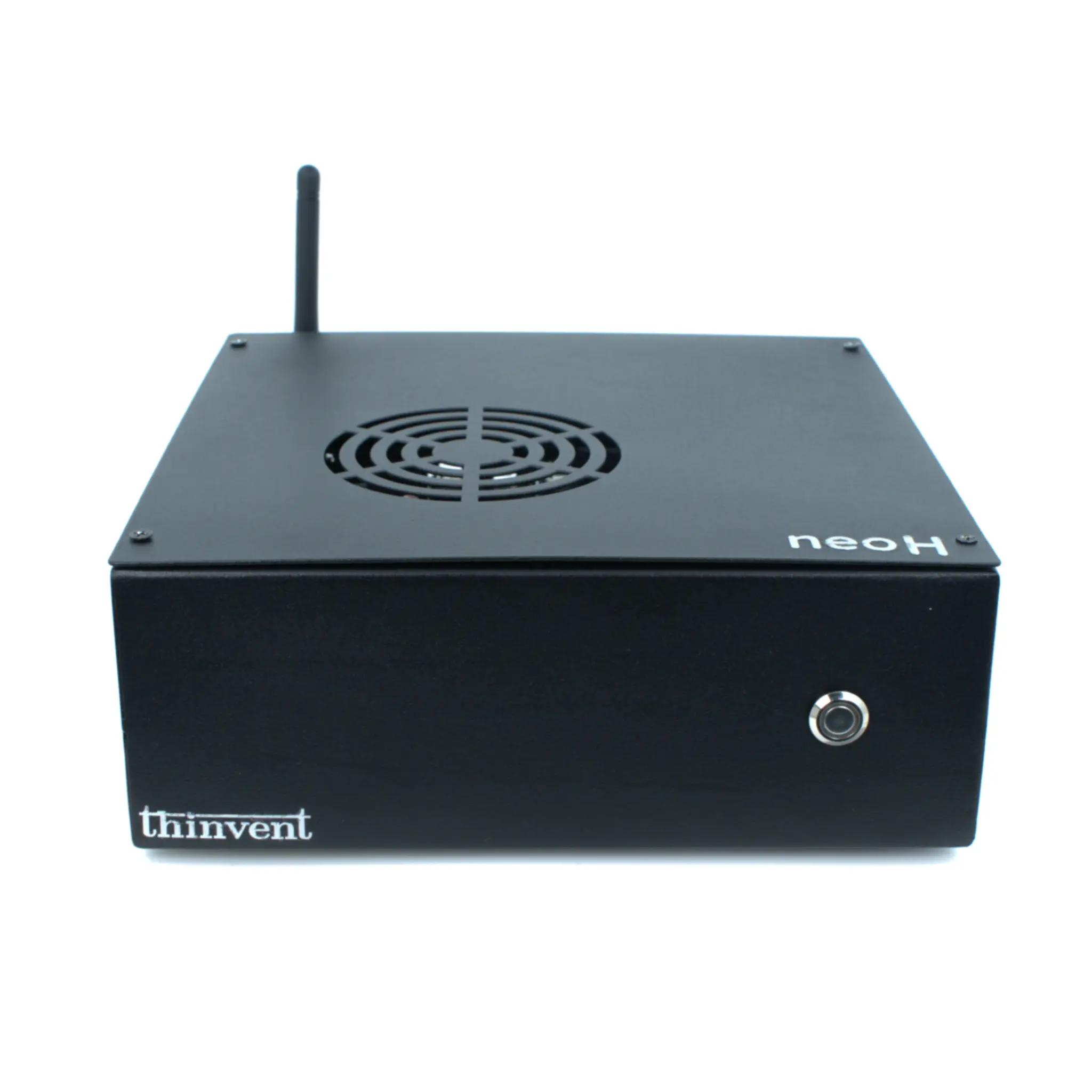
What Are Industrial Computers?
Industrial computers are specialized computing systems designed to operate reliably in demanding environments where standard commercial PCs would fail. Unlike consumer-grade desktops, they are built with robust components, fanless cooling for silent operation, and extended temperature ranges to withstand harsh conditions like dust, vibration, humidity, and extreme temperatures. These systems prioritize long-term reliability, stable performance, and connectivity for industrial automation.
Key Specifications and Technical Details
Industrial PCs (IPCs) are defined by their durability and specialized features. Common specifications include:
-
Rugged Construction: Often housed in all-metal, fanless chassis with wide operating temperature ranges (e.g., -20°C to 60°C).
-
Reliable Performance: Utilize efficient, low-power processors from Intel's Celeron, N-series, or Core i-series, designed for 24/7 operation.
-
Industrial Connectivity: Feature multiple Gigabit Ethernet ports, serial ports (RS-232/485), and expansion slots for industrial I/O cards.
-
Wide Power Input: Support a broad range of DC power inputs (e.g., 9-36V DC) to handle power fluctuations common in industrial settings.
-
Longevity & Support: Use components with long lifecycles and are backed by extended warranty and support, crucial for industrial deployments.
Use Cases and Applications
These computers are the backbone of modern industrial and commercial automation. Primary applications include:
-
Factory Automation: Machine control, PLC supervision, and Human-Machine Interface (HMI) stations on the factory floor.
-
Digital Signage & Kiosks: Powering interactive displays, wayfinding systems, and self-service terminals in public spaces.
-
Transportation & Logistics: Vehicle-mounted systems for fleet management, in-vehicle infotainment, and logistics tracking.
-
Edge Computing & IoT Gateways: Collecting, processing, and transmitting data from sensors and equipment at the network edge.
-
Thin Client & VDI: Serving as durable endpoints for virtual desktop infrastructure in offices, hospitals, and call centers.
Comparison: Industrial PC vs. Commercial Desktop
| Feature | Industrial Computer | Commercial Desktop |
|---|---|---|
| Operating Temperature | Wide range (e.g., -20°C to 60°C) | Narrow range (typically 5°C to 35°C) |
| Cooling System | Fanless (passive cooling) | Active fans (can fail, collect dust) |
| Build Quality | Metal chassis, shock/vibration resistant | Primarily plastic, for stable environments |
| Power Supply | Wide-range DC input (9-36V) | Standard AC power supply |
| Lifecycle Support | 5-7+ years component availability | Rapid refresh cycles (1-2 years) |
| I/O & Expansion | Multiple LAN, serial ports, expansion slots | Standard consumer ports (USB, HDMI) |
| Primary Use Case | 24/7 reliability in harsh conditions | General office/computing tasks |
Thinvent Industrial Computing Solutions
Thinvent offers a comprehensive range of industrial-grade computing solutions engineered for reliability. Our product lines include compact Mini PCs and Thin Clients for space-constrained deployments, versatile Industrial PCs for control applications, and integrated All-in-One panels for interactive kiosks and HMIs. Built with fanless designs and robust components, Thinvent systems are ideal for automation, digital signage, edge computing, and demanding commercial environments worldwide.