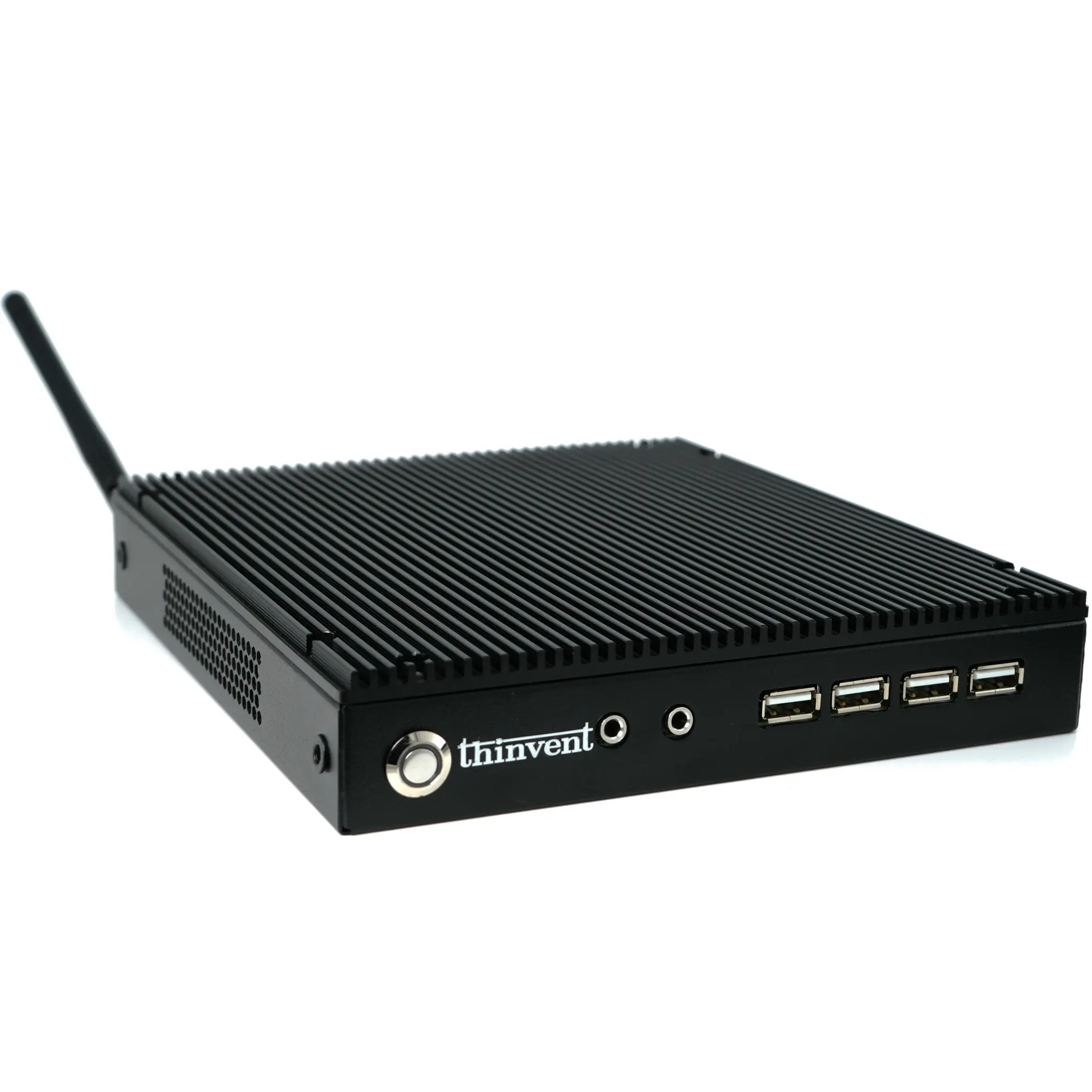
What is an All-in-One Computer?
An All-in-One (AIO) computer is a desktop computing solution that integrates the central processing unit (CPU), memory, storage, and display into a single, compact unit. Unlike traditional desktop towers, AIOs eliminate the need for a separate computer case, reducing cable clutter and saving significant desk space. They are designed for simplicity, ease of deployment, and a clean aesthetic, making them ideal for environments where space is at a premium or a professional appearance is required.
Key Specifications and Technical Details
Modern All-in-One PCs are built with performance and reliability in mind. Key components typically include:
-
Processor: Ranging from efficient Intel Celeron or N-series processors for basic tasks to powerful Intel Core i3, i5, or i7 CPUs for demanding applications.
-
Memory (RAM): Configurations from 4GB for light office work to 32GB or more for multitasking and specialized software.
-
Storage: Options include fast Solid State Drives (SSDs) in capacities from 128GB to 1TB or more, offering quick boot times and application loading.
-
Display: Integrated screens are typically high-resolution (Full HD or 4K) and come in sizes like 21.5" or 23.8", providing a crisp visual interface.
-
Connectivity: Standard features include multiple USB ports (including USB 3.2 and Type-C), Gigabit Ethernet for stable networking, HDMI outputs for extending displays, and often built-in Wi-Fi and webcams.
Use Cases and Applications
All-in-One computers are versatile and suited for numerous professional and industrial settings:
-
Office Environments: Perfect for front desks, reception areas, corporate offices, and call centers due to their space-saving design and clean look.
-
Retail & Hospitality: Used as Point-of-Sale (POS) terminals, digital signage, kiosks, or menu boards in restaurants and hotels.
-
Healthcare: Employed in nurse stations, patient check-in areas, and laboratories where easy cleaning and a compact footprint are beneficial.
-
Education: Ideal for computer labs, libraries, and teacher workstations in schools and universities.
-
Light Industrial & Control Rooms: Their integrated nature makes them suitable for monitoring stations, light control systems, and environments where reliability is key.
Comparison: All-in-One vs. Traditional Desktop vs. Mini PC
| Feature | All-in-One (AIO) | Traditional Desktop | Mini PC |
|---|---|---|---|
| Form Factor | Monitor and computer combined. | Separate tower and monitor. | Ultra-compact standalone unit. |
| Space Required | Minimal; only the display footprint. | Significant; needs space for tower. | Very minimal; can be mounted behind a monitor. |
| Setup Complexity | Simple; fewer cables. | More complex; multiple cables to connect. | Simple; connects to existing monitor. |
| Upgradability | Limited; often only RAM and storage. | High; most components can be upgraded. | Low to moderate; depends on model. |
| Ideal For | Space-constrained, clean-desk, front-facing applications. | High-performance needs, frequent upgrades, gaming. | Digital signage, embedded systems, space-critical deployments. |
Thinvent All-in-One Computer Solutions
Thinvent offers a range of robust All-in-One PCs engineered for commercial and industrial durability. Our AIO solutions feature fanless or quiet cooling designs for silent operation, industrial-grade components for long-term reliability, and support for various operating systems including Windows and Linux. Designed to perform consistently in demanding 24/7 environments, Thinvent All-in-One computers provide a powerful, integrated computing platform for retail, office, healthcare, and light industrial applications worldwide.