What Are the Main Components of a Computer?
A computer is a complex system built from several key hardware components that work together to process data and execute tasks. The essential internal parts include the Central Processing Unit (CPU), Random Access Memory (RAM), Storage Drive (SSD/HDD), Motherboard, and Power Supply Unit (PSU). For a functional system, these are combined with input/output devices like a monitor, keyboard, and mouse. In industrial and embedded computing, these components are engineered for reliability, durability, and specific operational environments, often featuring fanless designs for silent and maintenance-free operation.
Key Specifications and Technical Details
Understanding the specifications of each component is crucial for selecting the right computer for your needs.
-
Processor (CPU): The brain of the computer. Key specs include the brand (Intel, ARM), model, number of cores, clock speed (GHz), and cache memory. More cores and higher speeds generally mean better multitasking and performance.
-
Memory (RAM): Temporary workspace for active programs. Measured in Gigabytes (GB), more RAM allows smoother operation when running multiple applications simultaneously. Common sizes are 8GB, 16GB, and 32GB.
-
Storage (SSD): Permanent storage for the operating system, software, and files. Solid State Drives (SSDs) offer much faster data access than traditional Hard Disk Drives (HDDs). Capacities typically range from 128GB to 1TB or more.
-
Connectivity & Expansion: This includes ports like USB (2.0, 3.2, Type-C), HDMI for display output, and Ethernet for network connectivity. Industrial PCs often prioritize robust and multiple network connections.
Use Cases and Applications
The combination of these components defines a computer's suitability for different tasks.
-
General Office & Digital Signage: Systems with efficient 4-core processors (e.g., Intel N-series), 8-16GB RAM, and 128-256GB SSDs are ideal for productivity software, web browsing, and media playback.
-
Industrial Automation & IoT Gateways: Rugged, fanless PCs with reliable processors and multiple I/O ports are used in factories, kiosks, and edge computing, where stability is critical.
-
Advanced Workstations: For engineering, design, or data analysis, computers require high-performance multi-core CPUs (e.g., Intel Core i5/i7), 32GB+ RAM, and large, fast SSDs.
Comparison of Common Component Configurations
| Use Case | Recommended CPU Series | Recommended RAM | Recommended SSD | Key Features |
|---|---|---|---|---|
| Basic Computing / Kiosk | Intel Celeron, N-series | 4GB - 8GB | 128GB | Low power, fanless, cost-effective |
| Office & General Business | Intel Core i3, i5 (10th-12th Gen) | 8GB - 16GB | 256GB - 512GB | Balanced performance, reliable |
| Industrial Embedded Systems | Intel N-series, Atom | 8GB - 16GB | 128GB - 256GB | Rugged, wide temperature range, multiple Ethernet |
| Performance Workstation | Intel Core i5, i7 (13th-14th Gen) | 32GB - 64GB | 512GB - 1TB+ | High core count, fast storage, powerful graphics |
Thinvent Industrial Computers with Optimized Components
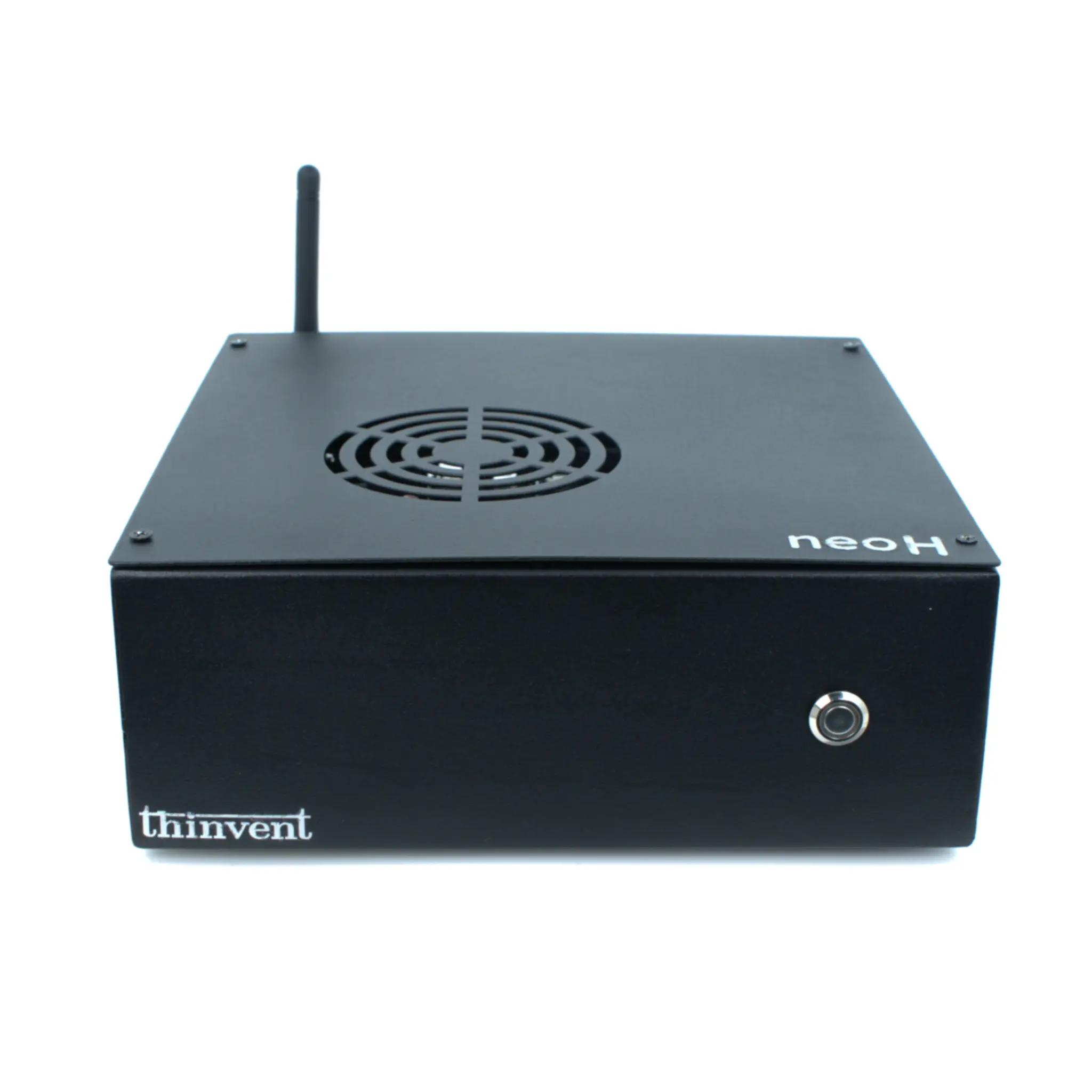
Thinvent specializes in engineering industrial-grade computing solutions where component selection, integration, and reliability are paramount. Our product range, including the Aero Mini PC series featured on this page, exemplifies this approach. These systems utilize efficient Intel processors like the N100, paired with durable DDR4 RAM and reliable SSD storage, all housed in a robust, fanless chassis. This design ensures silent, maintenance-free operation perfect for 24/7 applications in digital signage, thin client setups, light industrial automation, and office environments. We offer configurations with various operating systems—including Windows 11, Linux, and DOS—to provide the exact platform needed for your project's stability and security requirements.