What Are the Main Parts of a CPU?
A Central Processing Unit (CPU) is the primary component of a computer, acting as its brain. While modern CPUs are highly integrated, they are composed of several key functional parts. The main parts include the Control Unit (CU), which fetches, decodes, and manages the execution of instructions; the Arithmetic Logic Unit (ALU), which performs all mathematical calculations and logical comparisons; Registers, which are small, high-speed memory locations for temporary data storage; and the Cache Memory, a small, fast memory that stores frequently accessed data to speed up processing. These components work together on a silicon chip, connected by the CPU bus.
Key Specifications and Technical Details
When evaluating a CPU for an industrial computer, several technical specifications are critical. These define the processor's performance, efficiency, and suitability for specific tasks.
-
Cores: The number of independent processing units. More cores allow for better multitasking and parallel processing (e.g., 4-core, 6-core).
-
Clock Speed: Measured in Gigahertz (GHz), this indicates how many cycles a CPU can execute per second, affecting the speed of single-threaded tasks.
-
Cache: This is the CPU's onboard memory (L1, L2, L3). Larger cache sizes (e.g., 6MB, 12MB) significantly improve performance by reducing the time needed to access data from the main RAM.
-
Thermal Design Power (TDP): This measures the maximum heat a CPU generates, which is crucial for designing fanless, reliable systems for harsh environments.
-
Instruction Set Architecture (ISA): This defines how the CPU handles instructions. Common types for industrial PCs are x86 (from Intel) and ARM, which is known for power efficiency.
Use Cases and Applications
The choice of CPU and its underlying components directly impacts the computer's application.
-
Low-Power Embedded Systems: For digital signage, kiosks, or IoT gateways, efficient CPUs with low TDP (like Intel's N-series) are ideal. Their integrated components allow for fanless, compact designs.
-
Industrial Automation & Control: PLCs, HMIs, and machine vision systems require reliable CPUs with multiple cores to handle real-time data processing and control logic simultaneously.
-
Edge Computing & AI Inference: Applications processing sensor data or running lightweight AI models at the network edge benefit from CPUs with higher core counts and advanced instruction sets for accelerated performance.
-
General Office & Thin Clients: For business productivity, virtualization, and cloud access, balanced CPUs with integrated graphics provide ample performance for everyday tasks.
Comparison of Common CPU Types in Industrial PCs
| Feature | Intel N-Series (e.g., N100) | Intel Core i-Series (e.g., i3/i5) | ARM-based Processors |
|---|---|---|---|
| Primary Use | Fanless, low-power embedded systems | Performance workstations, automation | Ultra-low power, mobile, specialized IoT |
| Core Count | Typically 4-8 efficiency cores | 4-14+ (Mix of Performance & Efficiency) | Varies, often 4-8 |
| TDP | Very Low (6W - 15W) | Moderate to High (15W - 65W+) | Extremely Low |
| Performance | Good for basic tasks & light multitasking | High for demanding applications | Excellent power efficiency, suitable for specific workloads |
| Ideal For | Digital signage, kiosks, thin clients | Machine control, edge servers, CAD | Energy-sensitive, always-on applications |
Thinvent Industrial Computers Featuring Advanced CPU Technology
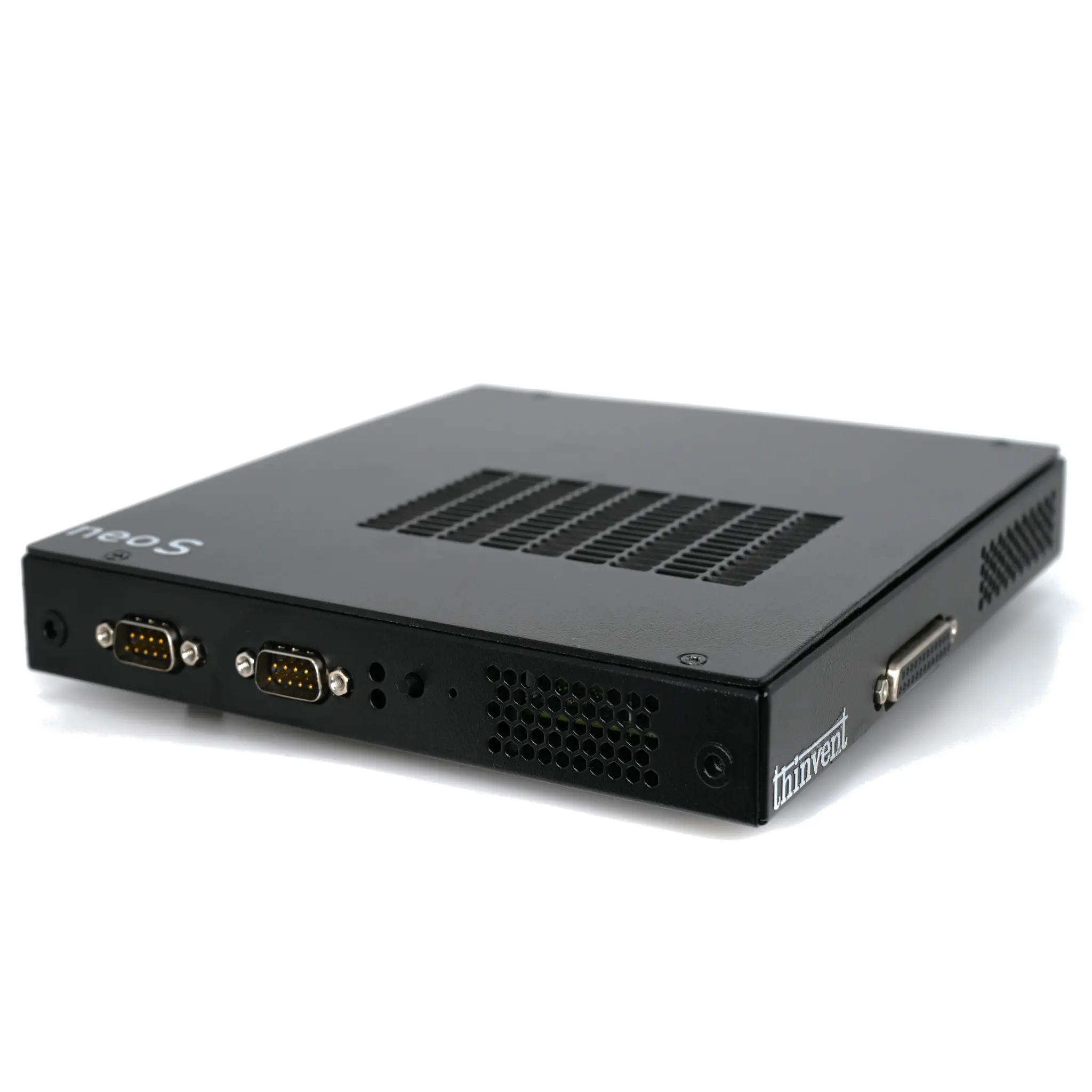
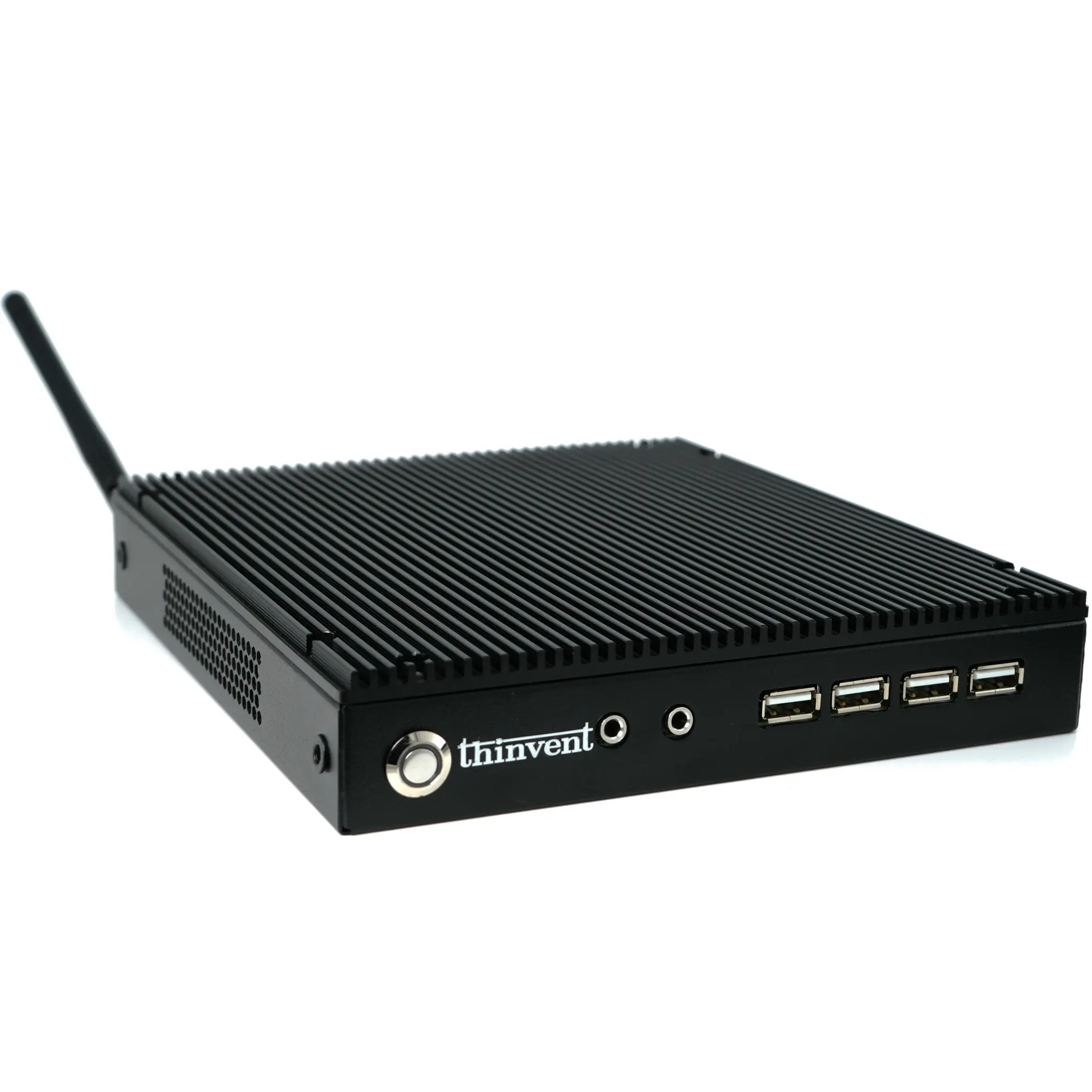
Thinvent designs and manufactures a comprehensive range of industrial computers built around these core CPU technologies. Our product lines include compact Mini PCs and Thin Clients powered by efficient Intel N-series processors for space-constrained and fanless applications. For more demanding environments, our Industrial PCs and All-in-One solutions utilize powerful Intel Core i3, i5, and i7 processors from the latest generations. Every system is engineered for reliability, with features like wide-temperature operation, shock and vibration resistance, and long-term component availability, ensuring your critical operations run smoothly worldwide.