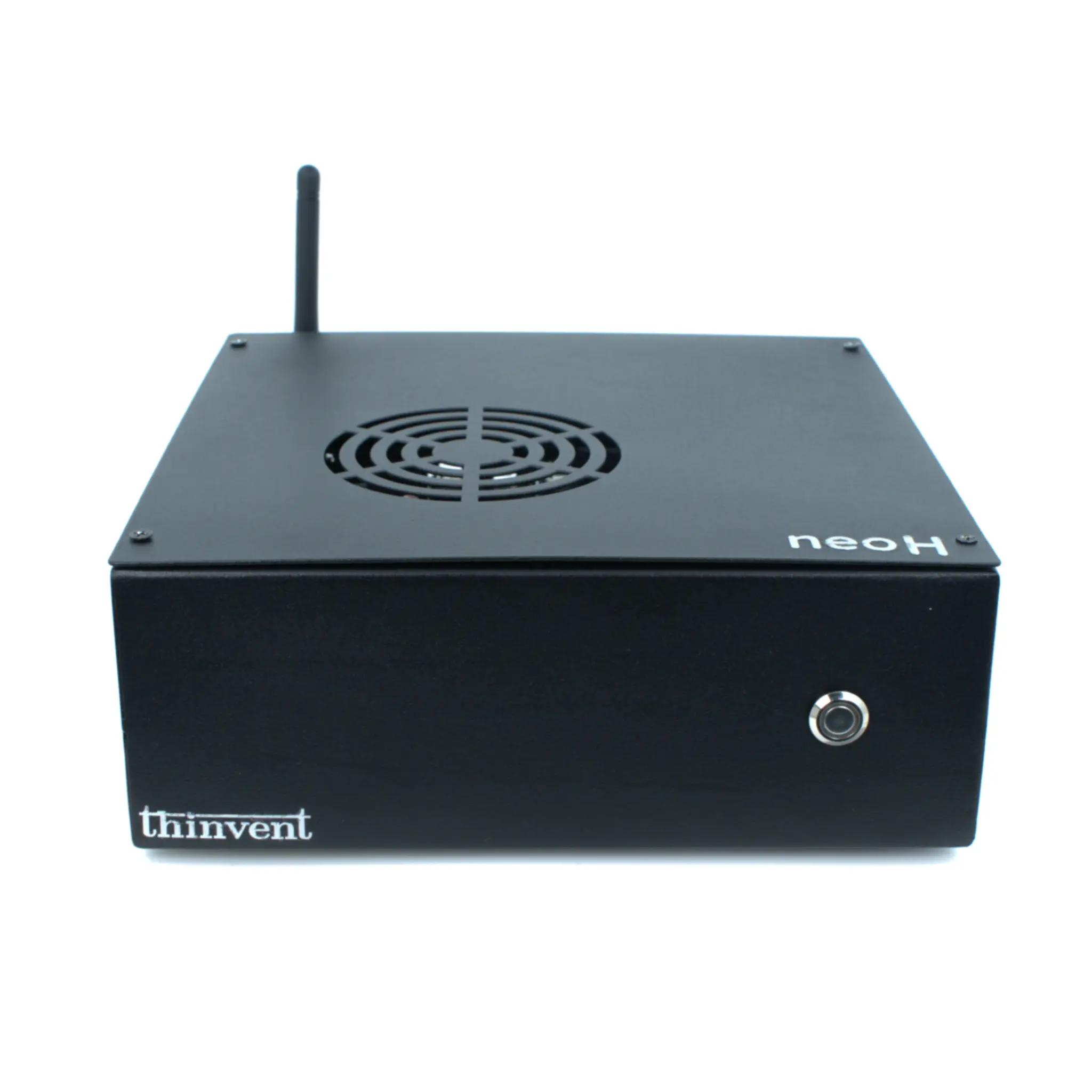
A thin client terminal is a lightweight, network-dependent computer designed primarily to connect to a centralized server or cloud environment where the actual processing and data storage occur. Unlike traditional desktop PCs (fat clients) that perform all computing tasks locally, a thin client relies on the server for most of its computational power, running a minimal operating system and applications. This architecture makes it an energy-efficient, secure, and cost-effective solution for centralized IT management.
Key Specifications and Technical Details
Thin clients are characterized by their compact form factors, low-power processors, and minimal local storage. Common specifications include:
-
Processors: Energy-efficient Intel or ARM-based CPUs (e.g., Intel Celeron or N-series) with integrated graphics.
-
Memory: Typically 4GB to 16GB of RAM, sufficient for the client-side software and network protocols.
-
Storage: Small solid-state drives (SSD), often 64GB to 256GB, used primarily for the operating system and caching.
-
Connectivity: Multiple Ethernet ports for reliable network access, along with standard USB, HDMI, and DisplayPort outputs for peripherals and monitors.
-
Cooling: Most models are fanless, ensuring silent operation and high reliability in dusty environments.
Use Cases and Applications
Thin clients are ideal for scenarios requiring centralized control, security, and simplified deployment.
-
Virtual Desktop Infrastructure (VDI): The most common use, where users access a virtual Windows or Linux desktop hosted on a server.
-
Call Centers & Office Workstations: For tasks like data entry, CRM access, and web-based applications where performance needs are consistent and manageable.
-
Digital Signage & Kiosks: Running a single, remotely managed application on a secure, stable platform.
-
Education & Libraries: Providing standardized computer access that is easy to maintain and secure from student modifications.
-
Healthcare: Accessing Electronic Health Record (EHR) systems from multiple stations without storing sensitive data locally.
Thin Client vs. Mini PC vs. Traditional Desktop
| Feature | Thin Client | Mini PC (Standard) | Traditional Desktop |
|---|---|---|---|
| Primary Role | Network terminal for remote resources | Compact, full-featured local computer | High-performance local workstation |
| Processing Power | Low (relies on server) | Moderate to High | Very High |
| Local Storage | Minimal (for OS) | Moderate (SSD/HDD) | High (Multiple drives) |
| Management | Centralized, easy to deploy/update | Individual, more complex | Individual, complex |
| Best For | Centralized IT, VDI, kiosks | Space-constrained offices, home theater, light gaming | Gaming, engineering, video editing |
Thinvent's Thin Client Solutions
Thinvent offers a robust range of industrial-grade thin client terminals designed for reliability in demanding environments. Our solutions, like the Aero Mini PC series, feature fanless designs with efficient Intel processors (such as the N100), multiple operating system options (Windows IoT, Linux, FreeDOS), and versatile connectivity. Built for 24/7 operation, Thinvent thin clients are perfect for implementing secure VDI, powering digital signage networks, or creating efficient office and industrial workstations worldwide.