What is a Mini PC and How to Use It?
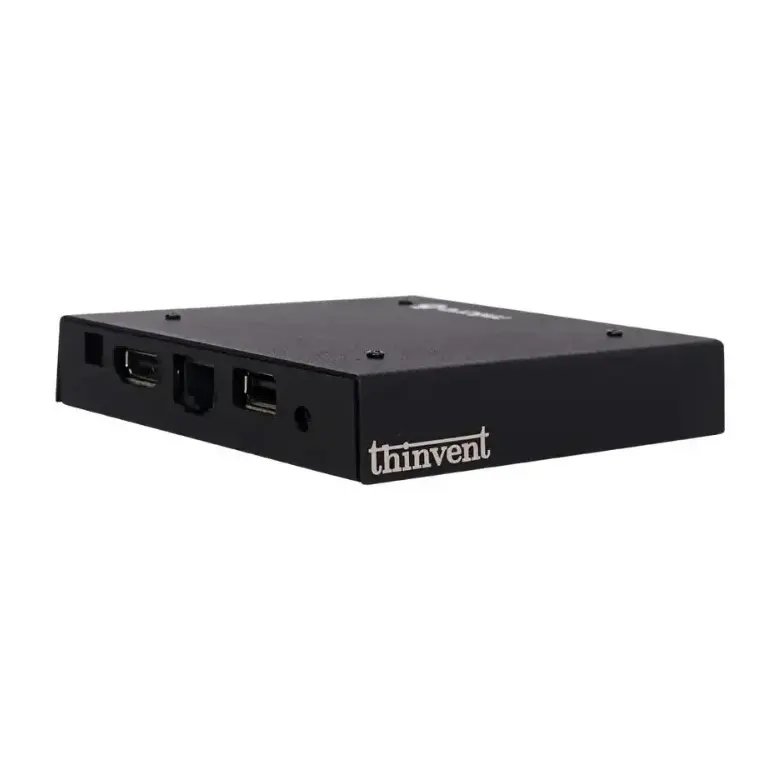
A Mini PC is a compact, fully-functional desktop computer designed for space-constrained environments. Its primary use is to perform all the tasks of a traditional desktop tower but in a significantly smaller form factor, often no larger than a book. To use a Mini PC, you typically connect it to a power source, a monitor via HDMI or DisplayPort, and peripherals like a keyboard and mouse. Once powered on, you can install or use an operating system (like Windows or Linux) to run applications for productivity, entertainment, media streaming, or specialized industrial tasks.
Key Specifications and Setup
Modern Mini PCs, such as those powered by Intel's efficient N-series processors, pack substantial capability into a small chassis. Key specifications to consider include the processor (e.g., Intel N100 with 4 cores), RAM (commonly 8GB to 16GB), and SSD storage (128GB to 512GB). Setup is straightforward: 1. Connect Peripherals: Plug in your monitor, keyboard, mouse, and network cable (Ethernet is standard; some models include WiFi). 2. Power On: Connect the included power adapter. 3. Operating System: If pre-installed (like Windows 11 Pro or Ubuntu Linux), the system will boot directly. If supplied without an OS, you will need to install one using a USB drive. 4. Driver Installation: Most modern OSes handle drivers automatically, but checking the manufacturer's website for updates is recommended for optimal performance.
Common Use Cases and Applications
Due to their small size, low power consumption, and often fanless, silent operation, Mini PCs are incredibly versatile:
-
Home & Office: Ideal as a primary desktop for web browsing, office applications, and video conferencing. They can also serve as a discreet media center connected to a TV.
-
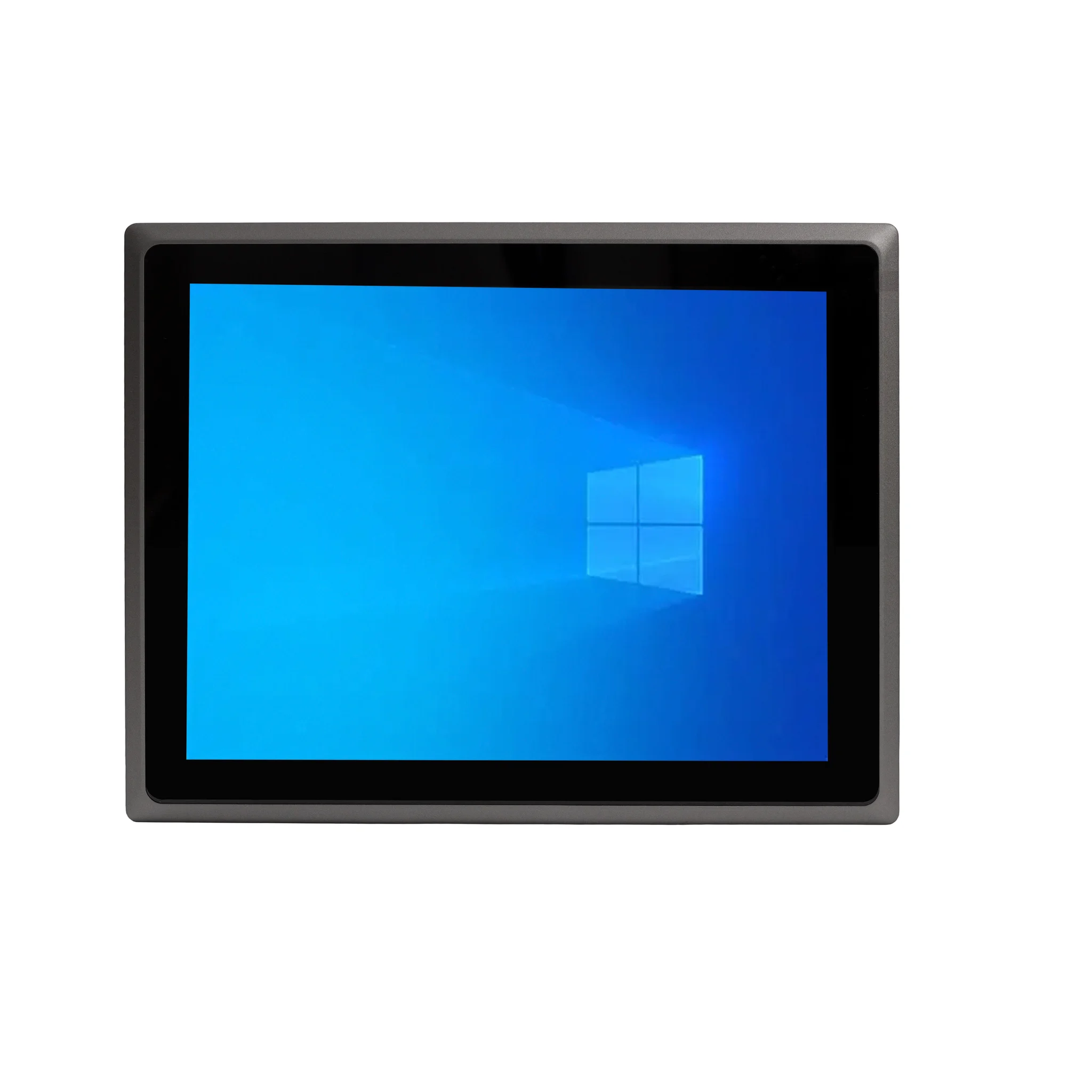
Digital Signage & Kiosks: Their reliability and small footprint make them perfect for powering information displays, interactive kiosks, and menu boards in retail and hospitality.
-
Light Industrial & Embedded Systems: Used in manufacturing, logistics, and thin-client environments for process control, data acquisition, and running dedicated software applications.
-
Education & Labs: A cost-effective and space-saving solution for computer labs and classroom setups.
Comparison: Mini PC vs. Traditional Desktop
| Feature | Mini PC | Traditional Desktop Tower |
|---|---|---|
| Size | Extremely compact (often < 1L volume) | Large and bulky |
| Power Consumption | Very low (typically 10W-30W) | Moderate to High (65W-300W+) |
| Noise | Often fanless and completely silent | Usually has cooling fans that generate noise |
| Upgradability | Limited; often only storage and RAM | Highly upgradable (GPU, CPU, RAM, storage) |
| Typical Use | Space-saving, dedicated tasks, embedded systems | High-performance gaming, intensive workloads |
Thinvent Mini PCs for Your Needs
Thinvent offers a robust range of industrial-grade Mini PCs designed for reliability in diverse environments. Our Aero series, for example, features efficient Intel processors like the N100, coupled with durable DDR4 RAM and SSD storage. These systems are built for 24/7 operation and are available with a choice of operating systems—including Windows 11 IoT/Pro, Ubuntu Linux, or our own Thinux™ Embedded Linux—to match your specific software requirements. Whether for a digital signage network, a compact office workstation, or an industrial control panel, Thinvent Mini PCs provide a powerful, dependable, and space-efficient computing solution.