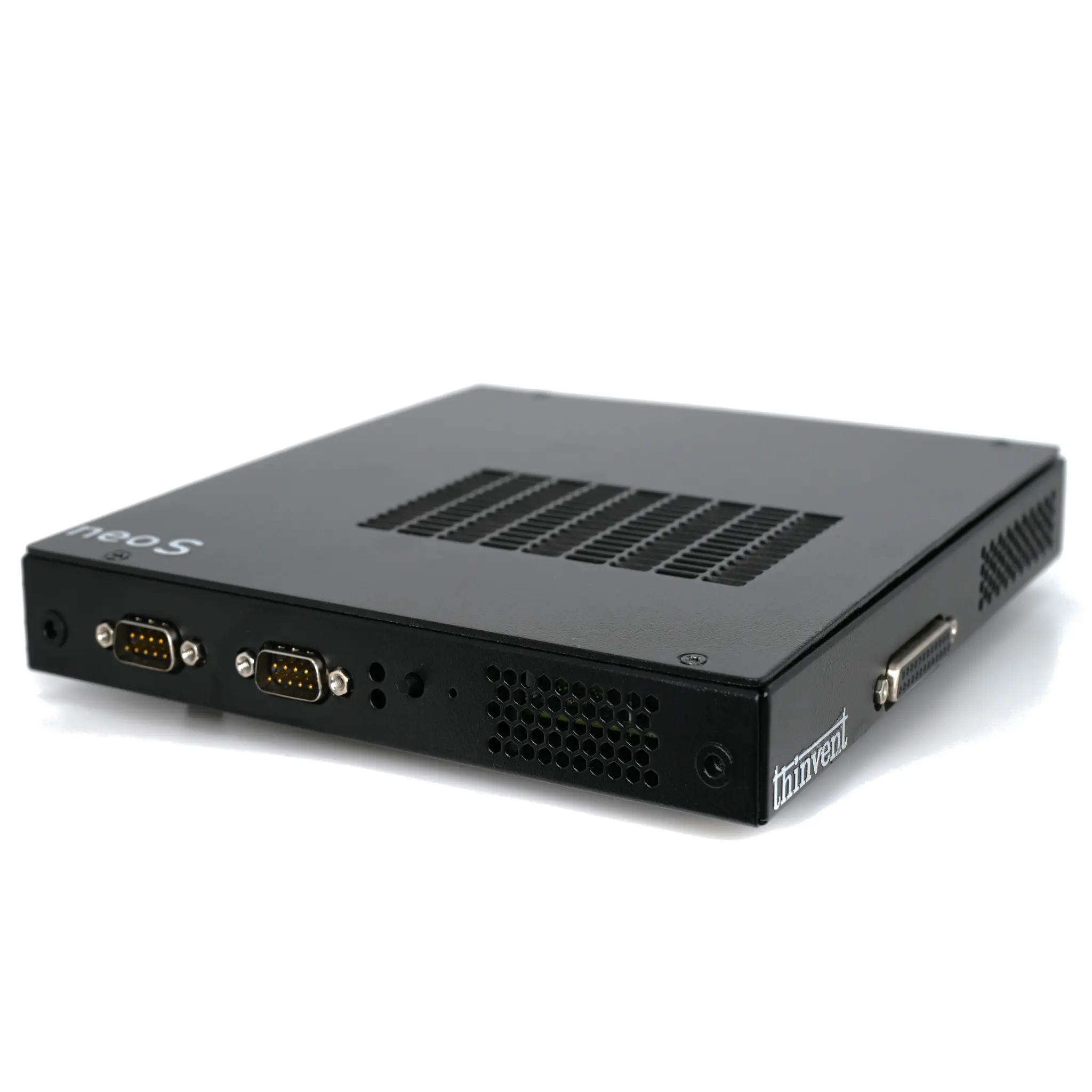
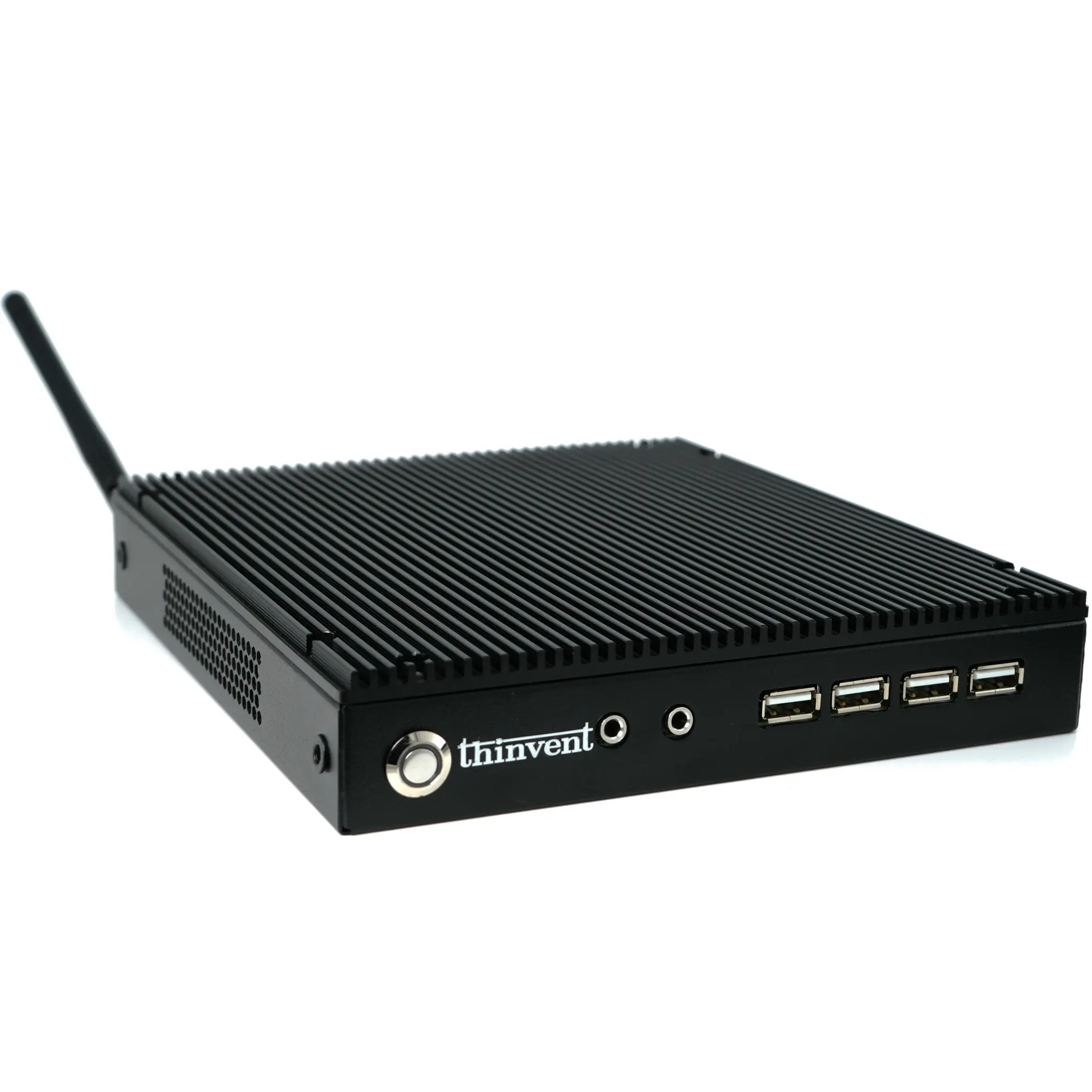
What is a Personal Thin Client?
A personal thin client is a compact, energy-efficient endpoint device designed to connect to a centralized server or cloud-based virtual desktop infrastructure (VDI). Unlike traditional desktop PCs, thin clients have minimal local processing power and storage, relying on the server for applications, data, and security. This architecture makes them ideal for users who primarily access software and files hosted on a remote system, offering a streamlined, secure, and cost-effective computing experience.
Key Specifications and Technical Details
Modern personal thin clients are built for reliability and low power consumption. They typically feature fanless designs for silent operation and enhanced durability in various environments. Core specifications often include:
-
Processors: Energy-efficient Intel processors like the N-series (e.g., N100, N95) or ARM-based chips, balancing performance with minimal heat output.
-
Memory: Sufficient RAM (e.g., 8GB or 16GB) to handle the remote desktop client software and local OS efficiently.
-
Storage: Small-capacity, reliable SSDs (e.g., 128GB) primarily for the operating system and client software.
-
Connectivity: Multiple Gigabit Ethernet ports for stable network connections, essential for VDI performance. Standard video outputs like HDMI and USB ports for peripherals are standard.
-
Operating Systems: They run lightweight, secure OS options such as Windows IoT, specialized embedded Linux distributions (like Thinux™), or standard Windows 11 Pro configured for remote access.
Use Cases and Applications
Personal thin clients are deployed in scenarios where security, manageability, and simplicity are paramount.
-
Corporate & Remote Work: Provides secure access to corporate networks and virtual desktops from any location, ensuring data never leaves the central server.
-
Call Centers & Front-Desk Operations: Offers a standardized, easy-to-manage workstation for task-specific applications.
-
Healthcare: Used in clinics and hospitals to access patient records via secure VDI, maintaining strict data privacy compliance (like HIPAA).
-
Education: In computer labs or libraries, they provide a consistent user experience, are easy to reset, and reduce software licensing costs.
-
Kiosks & Digital Signage: Their fanless, robust design makes them perfect for 24/7 operation in public spaces.
Comparison: Thin Client vs. Traditional Mini PC
| Feature | Personal Thin Client | Traditional Mini PC / Desktop |
|---|---|---|
| Primary Role | Access point for remote resources (VDI) | Local processing and storage |
| Local Processing Power | Moderate, optimized for efficiency | High, for demanding local applications |
| Local Storage | Minimal (for OS) | Extensive (for applications and data) |
| Security Model | Centralized; data resides on server | Local; data on the device |
| Total Cost of Ownership | Lower (easier IT management, longer lifespan) | Higher (individual maintenance, upgrades) |
| Ideal For | Standardized tasks, secure environments, remote work | Graphics design, gaming, engineering, offline work |
Thinvent's Personal Thin Client Solutions
Thinvent offers a range of robust personal thin clients designed for professional environments. Our devices, like the Aero Mini PC series, feature fanless cooling for silent and reliable 24/7 operation. They are built with industrial-grade components to ensure longevity in demanding settings. We provide flexible configuration options, including choices of operating systems like Windows 11 IoT, Windows 11 Pro, and various Linux distributions, allowing you to tailor the device to your specific VDI or cloud-access requirements. Thinvent's thin clients are engineered to deliver a seamless, secure, and manageable endpoint solution for businesses worldwide.