What Are Thin Client PCs?
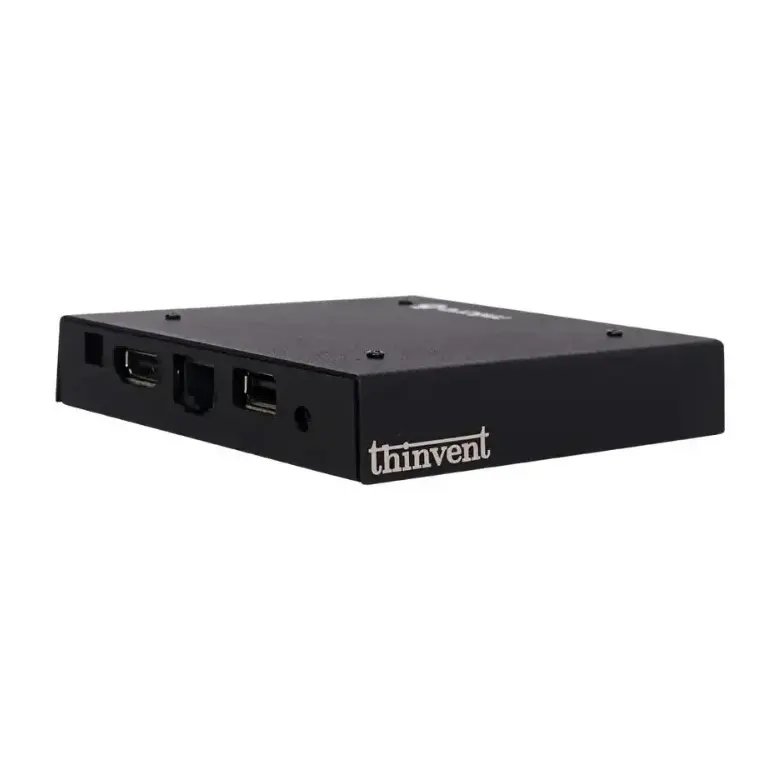
A thin client PC is a lightweight, network-dependent computer designed primarily to connect to a centralized server or cloud environment where the actual processing and data storage occur. Unlike traditional desktop PCs, thin clients have minimal local hardware—often featuring low-power processors, modest memory, and small solid-state storage. Their core function is to provide a secure, manageable, and cost-effective endpoint for accessing virtual desktops, applications, and data hosted remotely.
Key Specifications and Technical Details
Modern thin clients are engineered for efficiency and longevity. Key specifications typically include:
-
Processors: Energy-efficient Intel or ARM-based CPUs (e.g., Intel Celeron or N-series) with integrated graphics.
-
Memory: Typically 4GB to 16GB of RAM, sufficient for handling remote session protocols.
-
Storage: Small-capacity SSDs (128GB to 256GB) primarily for the host operating system and client software.
-
Connectivity: Multiple Gigabit Ethernet ports for reliable network access, alongside standard USB, HDMI/DisplayPort, and often audio jacks.
-
Form Factor: Compact designs like mini PCs or small form factor (SFF) desktops, often featuring fanless cooling for silent, dust-resistant operation.
-
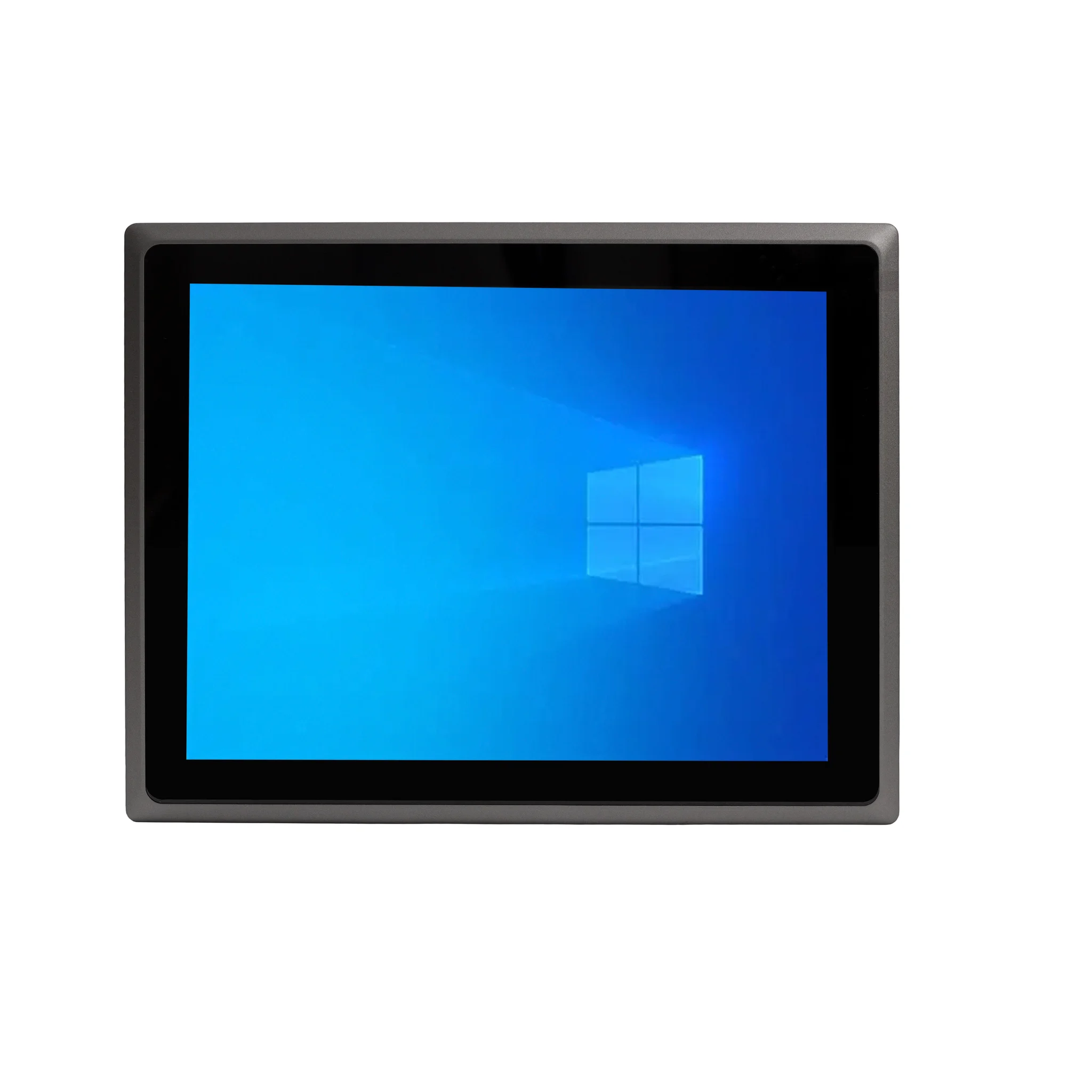
Operating Systems: Often run specialized, locked-down OS versions like Windows IoT, embedded Linux distributions, or thin client-specific software to enhance security.
Primary Use Cases and Applications
Thin clients are ideal for environments that prioritize security, centralized management, and lower total cost of ownership (TCO).
-
Virtual Desktop Infrastructure (VDI): The most common use, providing employees with secure access to corporate virtual desktops from any thin client device.
-
Call Centers & Office Workstations: For tasks like data entry, CRM access, and communication software, where processing is handled server-side.
-
Healthcare & Retail: Used in hospitals for accessing patient records and in retail for point-of-sale (POS) systems, where data security and easy management are critical.
-
Education & Public Access: Deployed in computer labs and libraries, as they are easy to maintain, secure from user modifications, and have a long hardware lifecycle.
Comparison: Thin Client vs. Traditional Desktop
| Feature | Thin Client PC | Traditional Desktop PC |
|---|---|---|
| Primary Role | Network endpoint for remote resources | Local processing and storage |
| Local Processing Power | Low to moderate | High |
| Local Storage | Minimal (for OS/client) | Substantial (for apps & data) |
| Security | High (data resides centrally) | Variable (data on local device) |
| Management | Centralized, streamlined | Individual, complex |
| Total Cost of Ownership | Lower (longer lifecycle, less maintenance) | Higher (more upgrades, repairs) |
| Ideal For | Standardized tasks, secure environments | High-performance computing, graphic design |
Thinvent's Range of Thin Client Solutions
Thinvent offers a robust portfolio of industrial-grade thin client PCs designed for demanding business environments. Our solutions, like the Aero Mini PC series, feature efficient Intel processors, fanless designs for silent and reliable 24/7 operation, and support for multiple operating systems including Windows IoT and Linux. Built with durability and manageability in mind, Thinvent thin clients provide a secure, cost-effective foundation for deploying VDI, digital signage, kiosks, and office workstations globally.