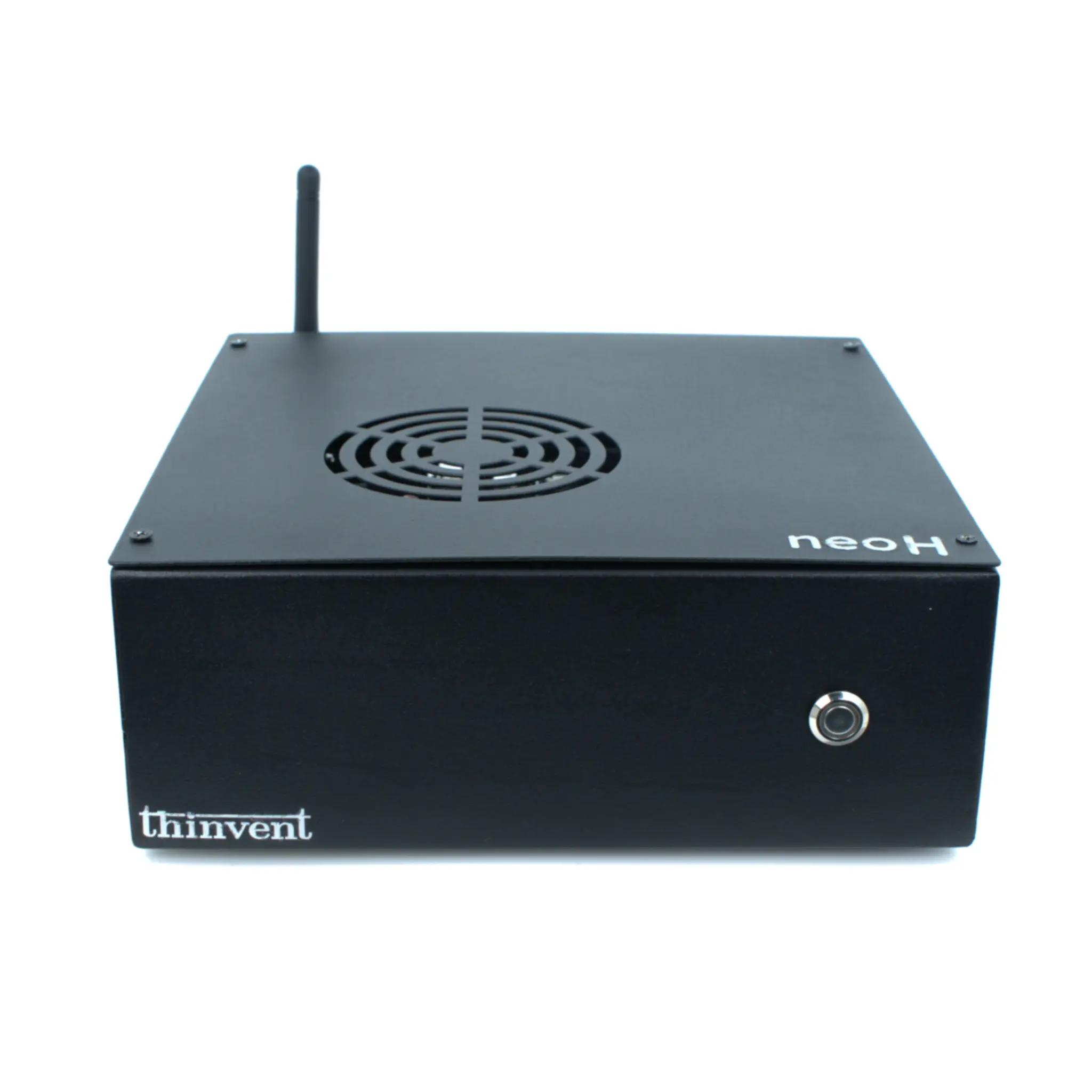
What is an Embedded Computer?
An embedded computer is a specialized, compact computing system designed to perform dedicated functions within a larger mechanical or electronic system. Unlike general-purpose PCs, these devices are built for reliability, long-term operation, and integration into specific environments, often featuring fanless cooling, wide operating temperature ranges, and robust connectivity. They are the computational core of countless automated processes, providing silent, efficient, and stable performance in demanding conditions.
Key Specifications and Technical Details
Industrial embedded computers prioritize durability and consistent operation. Key specifications include:
-
Form Factor: Compact designs like Mini PCs, Panel PCs, and Box PCs for space-constrained installations.
-
Processor: Low-power, efficient CPUs from Intel's N-series (e.g., N100, N95) or Celeron series, balancing performance with minimal heat generation.
-
Cooling: Predominantly fanless designs using passive heat sinks, eliminating moving parts that can fail and preventing dust ingress.
-
Ruggedness: Wide operating temperature ranges (often -20°C to 60°C), high shock and vibration resistance, and support for 24/7 operation.
-
Connectivity: Multiple industrial I/O options, including Gigabit Ethernet, serial ports (COM), GPIO, and USB ports for connecting sensors, controllers, and peripherals.
-
Power: Support for wide-range DC input (e.g., 9-36V DC), crucial for vehicle-mounted or industrial power systems.
Applications and Use Cases
Embedded computers are foundational to modern industrial and commercial automation. Common applications include:
-
Industrial Automation: Machine vision, PLC supervision, robotic control, and production line monitoring.
-
Digital Signage & Kiosks: Powering interactive displays, information points, and self-service terminals in retail and public spaces.
-
Transportation & Logistics: In-vehicle computing for fleet management, ticketing systems, and logistics tracking.
-
IoT Gateways: Aggregating and processing data from edge sensors in smart factories, agriculture, and building management.
-
Medical & Healthcare: Operating diagnostic equipment, patient monitoring systems, and medical imaging devices.
Comparison of Common Embedded Computer Types
| Feature | Fanless Mini PC | Industrial Panel PC | Rugged Box PC |
|---|---|---|---|
| Primary Use | General embedded control, IoT gateway | Human-Machine Interface (HMI), control panel | Harsh environment, mobile/outdoor deployment |
| Form Factor | Compact, standalone unit | Integrated display and computer | Heavy-duty enclosure, often wall or DIN-rail mountable |
| Typical Environment | Control cabinets, offices, retail | Factory floor, clean rooms, kiosks | Vehicles, manufacturing plants, outdoor installations |
| Key Advantage | Silent operation, small footprint | Space-saving integrated design, direct user interaction | Extreme durability, wide temperature & voltage tolerance |
Thinvent's Range of Embedded Computing Solutions
Thinvent offers a comprehensive portfolio of reliable embedded computers engineered for demanding applications. Our product lines include robust Fanless Mini PCs built with efficient Intel processors for silent, 24/7 operation in control cabinets and kiosks. For environments requiring direct operator interaction, our Industrial Panel PCs provide integrated, durable touchscreen interfaces. We also supply versatile Box PCs designed for challenging conditions with wide power input and extended temperature ranges. Every Thinvent embedded system is developed with a focus on longevity, stable performance, and seamless integration into your specialized application, backed by global support.