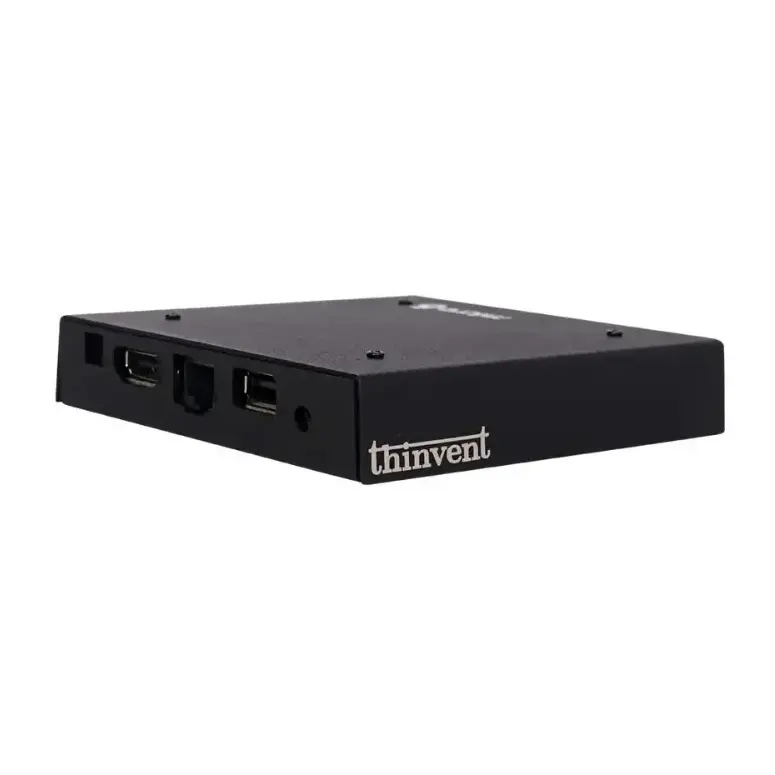
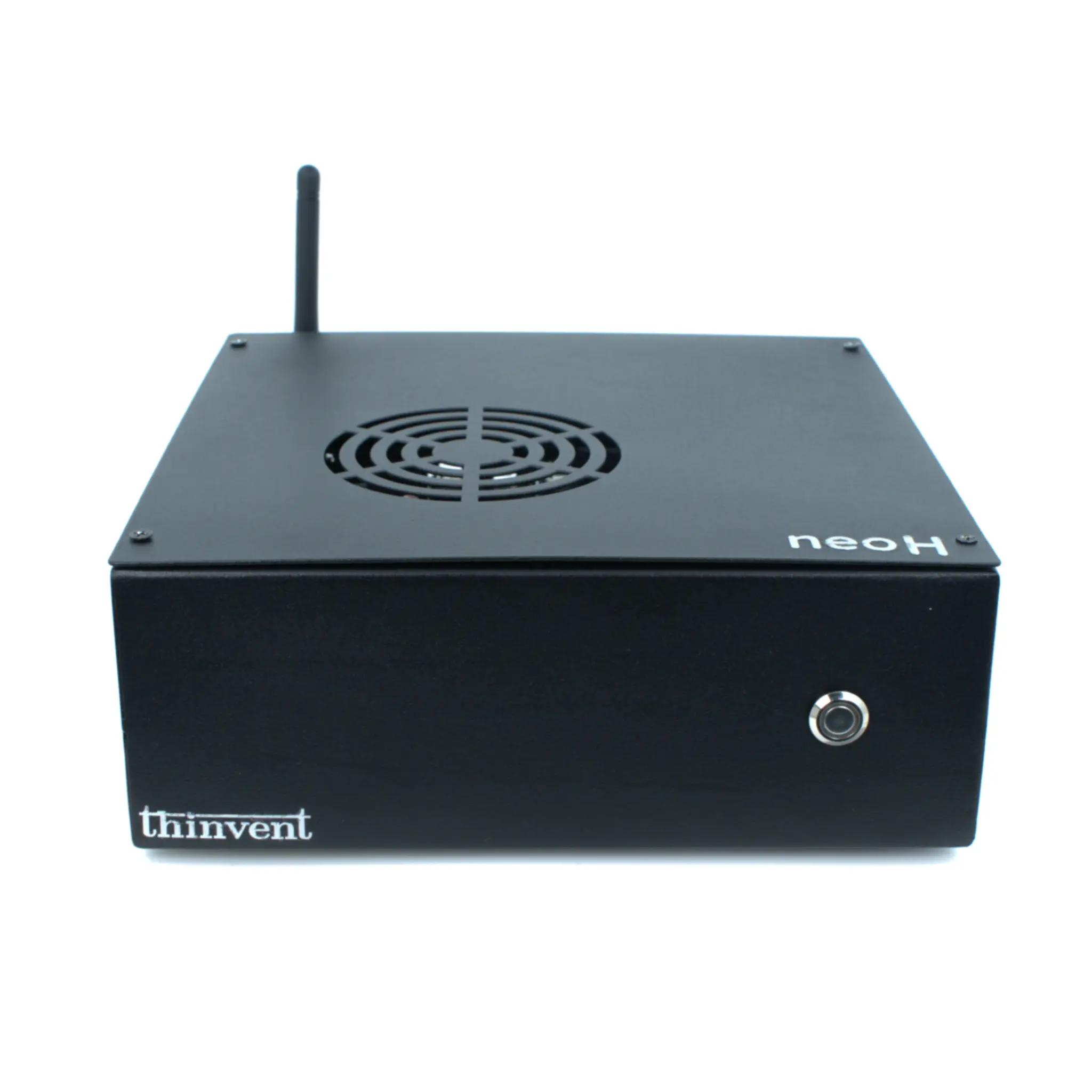
What is a Desktop Mini PC?
A desktop mini PC, often referred to as a "desk mini," is a compact, space-saving computer designed to deliver full desktop functionality in a significantly smaller form factor than a traditional tower. These systems are ideal for environments where space is at a premium, such as home offices, retail point-of-sale stations, digital signage installations, and corporate workstations. They offer a balance of performance, connectivity, and reliability while consuming less power and generating minimal noise, often through fanless cooling designs.
Key Specifications and Technical Details
Modern desktop mini PCs are built with efficient, low-power processors from Intel's N-series or Core series, offering capable performance for everyday computing tasks. Key specifications to consider include:
-
Processor: Intel processors like the N100, N95, or higher-performance Core i3/i5 models provide the computational power for office applications, media playback, and light multitasking.
-
Memory (RAM): Typically ranging from 8GB to 16GB of DDR4 RAM, ensuring smooth operation of multiple applications.
-
Storage: Solid-state drives (SSD) from 128GB to 512GB offer fast boot times and responsive application loading.
-
Connectivity: Standard features include multiple USB ports (USB 3.2, USB-C), HDMI outputs for dual displays, Gigabit Ethernet for reliable networking, and often options for Wi-Fi and Bluetooth.
-
Form Factor: Their ultra-compact size allows for VESA-mounting behind monitors or discreet placement on a desk.
Use Cases and Applications
Desktop mini PCs are versatile solutions for a wide range of applications:
-
General Office Productivity: Perfect for word processing, spreadsheets, email, and video conferencing.
-
Digital Signage & Kiosks: Their small size and reliability make them ideal for driving displays in retail, hospitality, and public information systems.
-
Home Theater PCs (HTPC): Connect to a TV for streaming media, light gaming, and web browsing in the living room.
-
Lightweight Workstations: Suitable for software development, graphic design (with capable processors), and educational environments.
-
Industrial & Embedded Systems: Their rugged, often fanless designs allow for deployment in harsh environments for process control and monitoring.
Comparison of Common Mini PC Processors
| Processor Model | Cores/Threads | Typical Use Case | Key Advantage |
|---|---|---|---|
| Intel N100 | 4 Cores / 4 Threads | Basic Computing, Digital Signage | Excellent power efficiency, fanless operation |
| Intel N95 | 4 Cores / 4 Threads | Office Apps, Light Multitasking | Cost-effective balance of performance and value |
| Intel Core i3 | 2-4 Cores / 4-8 Threads | General Productivity, Entry-Level Workstation | Improved single-thread performance for responsiveness |
| Intel Core i5 | 6-10 Cores / 8-12 Threads | Multitasking, Content Creation, Light CAD | Higher multi-core performance for demanding applications |
Thinvent Desktop Mini PC Solutions
Thinvent offers a robust lineup of industrial-grade desktop mini PCs designed for reliability and continuous operation. Our Aero Mini PC series, for example, features fanless designs with efficient Intel processors, ensuring silent and maintenance-free performance in demanding settings. Built with industrial components, these systems are tested for extended temperature ranges and 24/7 reliability, making them perfect for commercial, industrial, and embedded applications where standard consumer PCs may fail. Explore our range to find a compact computing solution that matches your specific performance requirements and environmental challenges.