What Are 12th Generation Desktop Processors?
The 12th Generation of Intel® Core™ and related desktop processors, codenamed "Alder Lake," represents a significant architectural shift. It introduced a hybrid performance-core (P-core) and efficiency-core (E-core) design for the Core i-series, while also refreshing the entry-level Celeron and Pentium lines. This generation is renowned for delivering a substantial leap in performance-per-watt, improved integrated graphics, and support for modern connectivity standards like PCIe 5.0 and DDR5 memory. For industrial computing, this translates to systems that are more powerful, energy-efficient, and capable of handling demanding applications in compact, often fanless, form factors.
Key Specifications and Technical Details
The 12th Gen lineup is diverse, catering to different performance tiers:
-
Hybrid Architecture (Core i-series): Combines high-performance P-cores for demanding tasks with efficient E-cores for background operations, optimizing multi-threaded performance and power consumption.
-
Intel® 7 Process: Built on an enhanced 10nm SuperFin process for greater efficiency.
-
Memory Support: Offers support for both DDR4 and the newer, faster DDR5 RAM, providing flexibility for system builders.
-
Connectivity: Features integrated Intel® UHD Graphics and support for PCIe 5.0, offering double the bandwidth of PCIe 4.0 for future-proof expansion.
-
Entry-Level (Celeron/Pentium N-series): Processors like the Intel N100 offer excellent efficiency for basic computing, digital signage, and kiosk applications, often operating within very low thermal design power (TDP) envelopes ideal for fanless designs.
Use Cases and Applications
12th Gen processors are versatile and suitable for a wide range of industrial and commercial applications:
-
Digital Signage & Kiosks: The efficiency of models like the N100 ensures reliable, 24/7 operation in public spaces without overheating.
-
Thin Clients & VDI: Provide a responsive user experience for virtual desktop infrastructure, handling modern office applications and multimedia with ease.
-
Edge Computing & IoT Gateways: The performance uplift and improved efficiency make them ideal for processing data locally at the network edge.
-
Light Industrial Automation: Capable of running HMIs (Human-Machine Interfaces), SCADA systems, and control software for manufacturing environments.
-
Compact Workstations: Higher-end Core i3/i5 models can power engineering workstations for CAD, software development, and data analysis in space-constrained settings.
Comparison of Common 12th Gen Industrial Processors
| Processor Model | Series | Cores/Threads | Max Turbo Frequency | Typical Use Case |
|---|---|---|---|---|
| Intel® Processor N100 | Entry (N-series) | 4 Cores / 4 Threads | Up to 3.4 GHz | Fanless mini PCs, basic kiosks, lightweight thin clients |
| Intel® Core™ i3-1215U | Core i3 (Mobile) | 6 Cores (2P+4E) / 8 Threads | Up to 4.4 GHz | Advanced digital signage, multi-display setups, entry-level workstations |
| Intel® Core™ i5-1250P | Core i5 (Mobile) | 12 Cores (4P+8E) / 16 Threads | Up to 4.4 GHz | High-performance industrial PCs, automation controllers, demanding edge servers |
Thinvent Products Featuring 12th Gen Technology
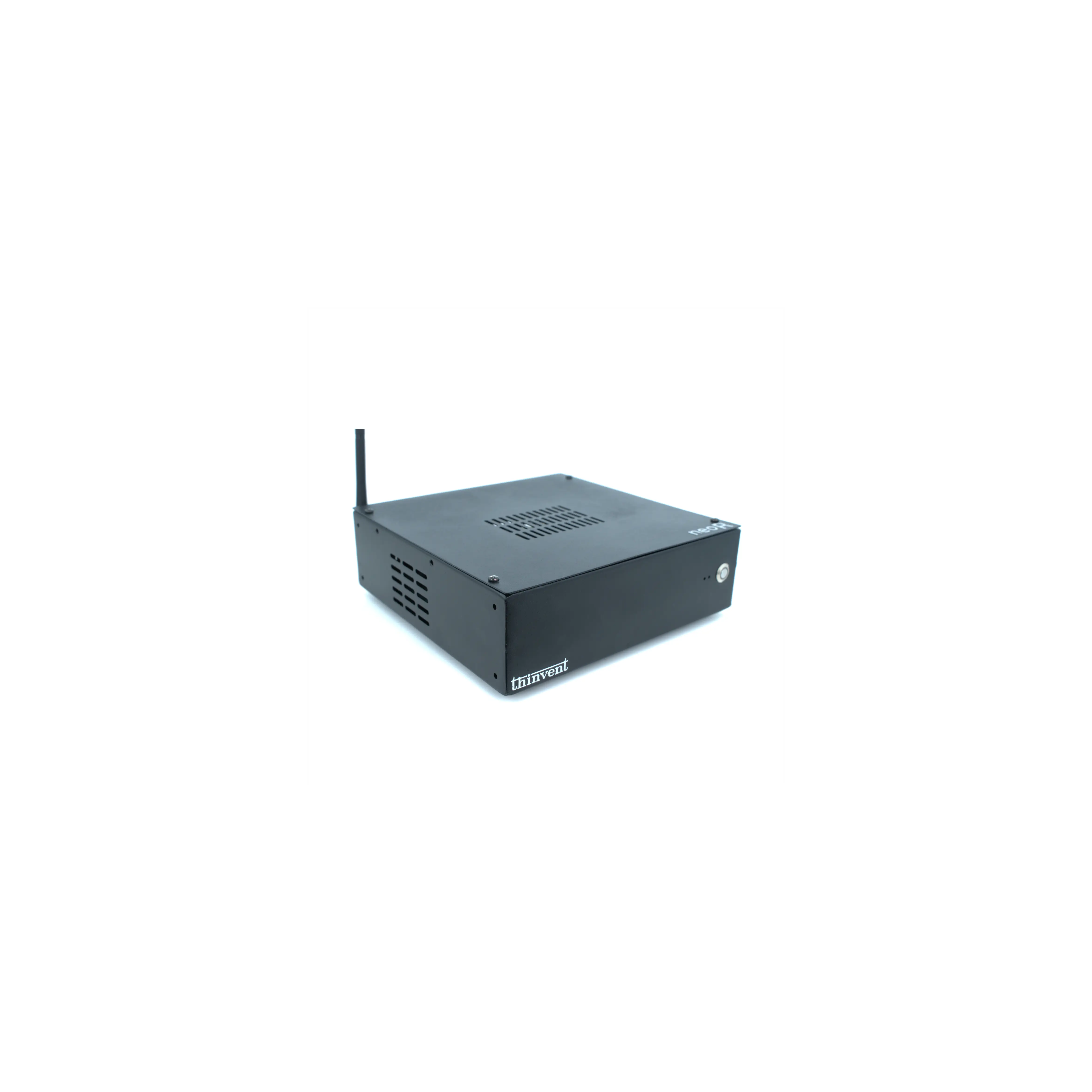
Thinvent leverages the efficiency and power of 12th Generation Intel processors across its product range to deliver reliable industrial computing solutions. Our Aero Series Mini PCs are prime examples, utilizing processors like the Intel N100 to create compact, fanless systems perfect for embedded applications, digital signage, and space-efficient office setups. These systems benefit from the generation's improved thermal management, allowing for silent operation in sensitive environments. Beyond mini PCs, Thinvent integrates 12th Gen processors into various form factors, including industrial panel PCs and box PCs, ensuring customers have access to modern computing power tailored for durability and long-term reliability in challenging operational conditions.