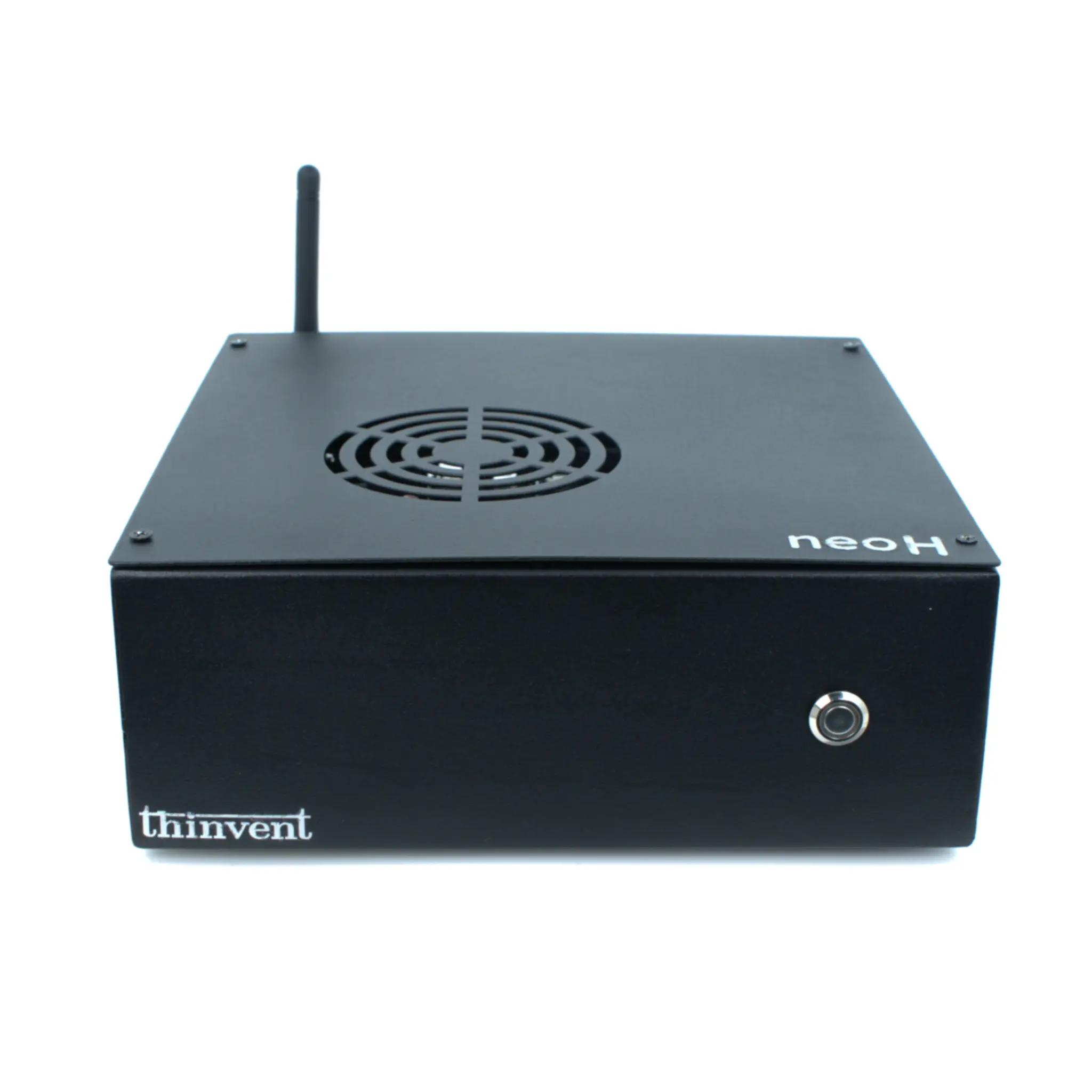
A 2-bay NAS (Network Attached Storage) enclosure is a dedicated storage device that houses two hard drives or SSDs, connecting to a network to provide centralized data access, backup, and media streaming. Unlike a standard external hard drive, a NAS operates independently, allowing multiple users and devices to access files simultaneously. The "bay" refers to the slot for a storage drive, and a 2-bay configuration typically supports RAID 0 (striping for performance) or RAID 1 (mirroring for data redundancy), offering a balance between capacity, data protection, and cost for home offices, small businesses, and creative professionals.
Key specifications for an efficient 2-bay NAS enclosure focus on connectivity, processing power, and software features. Modern units often include Gigabit Ethernet (or 2.5GbE for faster transfer speeds), multiple USB ports for peripheral expansion, and support for various file-sharing protocols like SMB, AFP, and NFS. The internal processor, often an Intel Celeron or ARM-based chip, handles the NAS operating system (like FreeNAS, OpenMediaVault, or a proprietary OS) and manages tasks such as data encryption, media transcoding, and running containerized applications (Docker). Efficiency is also measured by power consumption, with many enclosures designed for 24/7 operation using low-power, fanless components.
The primary use cases for a 2-bay NAS are personal cloud storage, automated backup for multiple computers, and a centralized media server for photos, music, and videos. For small business environments, it can serve as a simple file server for document collaboration or a surveillance storage hub for IP security cameras. The compact size and relatively low power draw make it an ideal, always-on solution for remote access to files, replacing reliance on third-party cloud subscriptions with a private, physically controlled data repository.
Comparing 2-Bay NAS Core Features
| Feature | Basic/Home Use | Advanced/SMB Use |
|---|---|---|
| Processor | ARM Cortex (Low Power) | Intel Celeron / Pentium (Better Performance) |
| RAM | 1-2 GB | 4-8 GB+ (for apps & VMs) |
| Drive Interface | SATA III | SATA III / NVMe (for cache) |
| Network Port | 1x Gigabit Ethernet | 2x Gigabit or 1x 2.5GbE |
| Key Software | File Sharing, Basic Backup | Virtualization, Docker, Surveillance Suite |
Thinvent Solutions for NAS Applications
While Thinvent specializes in industrial and mini PCs rather than pre-configured NAS enclosures, our compact, reliable computing platforms are perfectly suited to build a powerful and customized 2-bay NAS solution. By pairing a Thinvent mini PC or industrial computer with an external USB or directly connected SATA drive bay enclosure, users can create a highly efficient and tailored network storage system. Our fanless, low-power designs with Intel processors (like the efficient N100 or Core i3 series) provide the stable, always-on performance required for NAS duties, from file serving to running open-source NAS software like TrueNAS Scale or OpenMediaVault. This approach offers greater flexibility in hardware selection, upgrade paths, and software control compared to off-the-shelf NAS appliances.