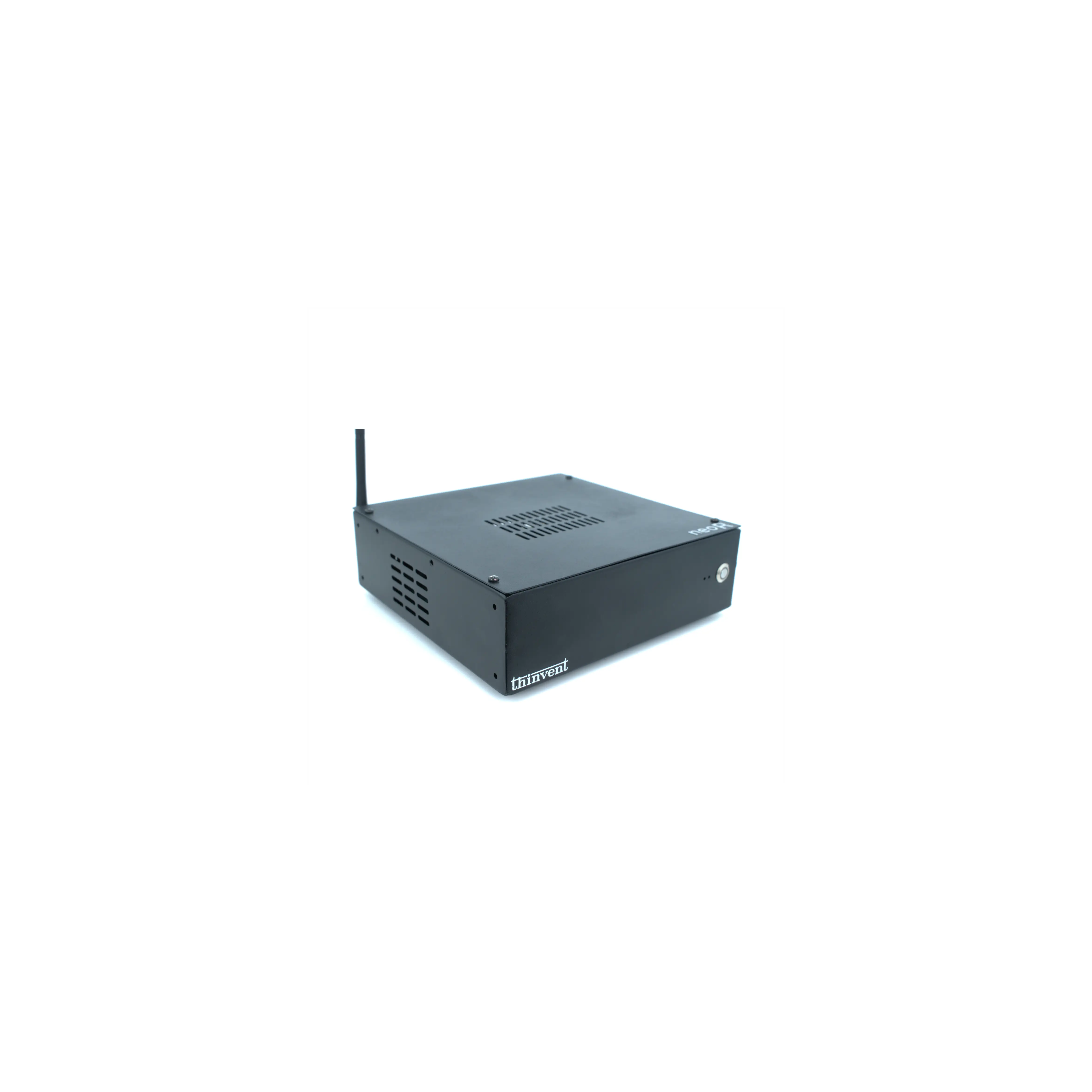
A 4 GHz processor PC is a computing system where the central processing unit (CPU) operates at a clock speed of 4 Gigahertz (GHz) or higher. This high frequency indicates the processor can execute billions of cycles per second, translating to faster data processing, quicker application loading, and more responsive multitasking. While base clock speeds are important, modern processors also feature "Turbo Boost" or "Max Turbo Frequency" technologies that allow them to dynamically exceed their base speed, reaching 4 GHz or more during demanding tasks for a significant performance uplift.
Key Specifications and Performance
The primary specification is the processor's maximum frequency, but overall system performance depends on several other factors:
-
CPU Cores and Threads: A 4-core, 8-thread processor at 4 GHz will handle multitasking and multi-threaded applications (like video editing or data analysis) far better than a dual-core chip at the same speed.
-
CPU Architecture and Generation: Newer processor generations (e.g., Intel's 12th Gen and above) are more efficient, delivering better performance per clock cycle (IPC) than older chips at the same GHz rating.
-
Cache Memory: Larger CPU cache (e.g., 12MB or more) allows for quicker access to frequently used data, reducing bottlenecks.
-
Supporting Hardware: Performance is gated by RAM speed and capacity, as well as storage type (NVMe SSD vs. HDD).
Ideal Use Cases and Applications
Computers with 4 GHz+ processors are suited for compute-intensive and latency-sensitive applications:
-
Professional Workstations: CAD/CAM design, 3D rendering, financial modeling, and software compilation.
-
Content Creation: High-resolution video editing, audio production, and graphic design.
-
Engineering & Simulation: Scientific computing, data analytics, and AI model training.
-
Gaming and Esports: Delivering high frame rates in modern games.
-
Industrial Automation: Real-time process control and machine vision systems where rapid data processing is critical.
Processor Comparison: Reaching 4 GHz
Not all processor series are designed to hit 4 GHz. The following table outlines common paths to this performance tier:
| Processor Series | Typical Base/Turbo Speeds | Common Use Case |
|---|---|---|
| Intel Core i5/i7/i9 | Base: ~2.5-3.5 GHz, Turbo: Up to 4.5-5.8 GHz | High-performance desktops, workstations, gaming PCs |
| Intel Core i3 | Base: ~3.0-3.8 GHz, Turbo: Up to ~4.3-4.6 GHz | Mainstream office PCs, entry-level content creation |
| Intel Celeron / N-Series | Base: ~1.8-3.4 GHz, Turbo: Typically below 4 GHz | Basic computing, digital signage, thin clients |
Thinvent's High-Frequency Industrial Computing Solutions
Thinvent offers a robust range of industrial-grade computers engineered for reliability and performance. While our ultra-efficient, fanless models like the Aero Mini PC prioritize low power consumption and silent operation for embedded applications, we provide scalable solutions for demanding environments. For tasks requiring sustained high-frequency processing, our product portfolio includes industrial PCs and workstations equipped with powerful Intel Core processors from the i3, i5, and i7 series. These systems are built with rugged components, wide-temperature operation, and advanced cooling to ensure stable performance at turbo frequencies, making them ideal for factory automation, medical imaging, and outdoor kiosks where both speed and durability are non-negotiable.