What Are 4 GHz Processor Industrial Computers?
A 4 GHz processor refers to a central processing unit (CPU) with a maximum clock speed of 4 gigahertz (GHz). This high frequency indicates the processor can execute billions of cycles per second, translating to faster data processing, quicker application response times, and superior single-threaded performance. In industrial computing, such processors are essential for demanding applications where low latency and high-speed computation are critical. While many industrial systems prioritize efficiency and low power consumption, 4 GHz-class processors provide the raw speed needed for complex calculations, real-time analytics, and intensive workloads.
Key Specifications and Technical Details
Processors capable of reaching 4 GHz are typically found in higher-performance tiers. Key specifications to consider alongside clock speed include:
-
Core Count: Modern processors balance high clock speeds with multiple cores (e.g., 6, 10, 12) for parallel processing.
-
Cache Memory: Larger cache sizes (e.g., 12MB, 18MB) help feed data quickly to the high-speed cores.
-
Thermal Design Power (TDP): Higher-performance chips generate more heat, requiring robust thermal solutions, often active cooling, though some advanced fanless designs can manage lower-TDP variants.
-
Generation: Newer processor generations (e.g., 13th, 14th Gen Intel® Core™) offer architectural improvements that deliver better performance per clock cycle and higher efficiency at similar GHz ratings compared to older generations.
Applications and Use Cases
Industrial computers with 4 GHz-class processors are deployed in scenarios requiring intense computational power:
-
Industrial Automation & Control: Running complex PLCs, machine vision systems, and real-time process monitoring.
-
Digital Signage & Kiosks: Driving multiple high-resolution displays with dynamic, media-rich content.
-
Edge Computing & AI: Performing local data analysis, inference for machine learning models, and preprocessing before cloud transmission.
-
Medical Imaging: Processing high-resolution scans and diagnostic data with minimal delay.
-
Financial Trading Terminals: Executing high-frequency trading algorithms where microsecond latency matters.
Processor Performance Comparison
| Feature | Standard Efficiency Processor (e.g., Intel N100) | High-Performance 4 GHz Class Processor (e.g., Intel Core i5) |
|---|---|---|
| Max Clock Speed | Up to ~3.4 GHz | 4.0 GHz and above |
| Typical Cores/Threads | 4 Cores / 4 Threads | 6+ Cores / 12+ Threads |
| Primary Use Case | Light workloads, IoT gateways, digital signage | Heavy computing, data analysis, real-time control |
| Thermal Management | Often fanless, low power | May require active cooling for sustained performance |
| Ideal For | Space-constrained, always-on applications | Performance-critical industrial workstations |
Thinvent's High-Performance Computing Solutions
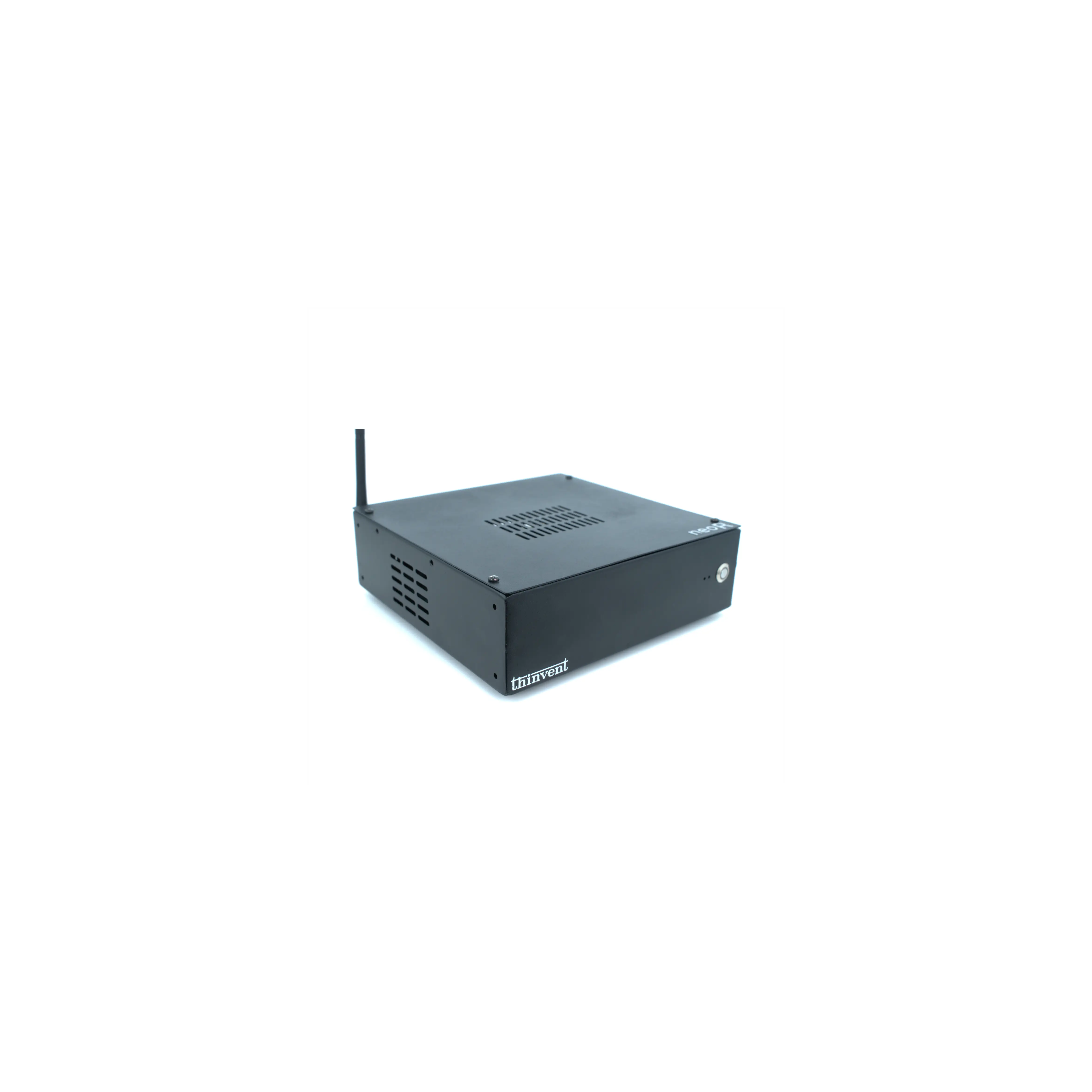
Thinvent offers a range of robust industrial computers equipped with processors capable of reaching high clock speeds, including 4 GHz and beyond, to meet demanding operational requirements. Our product lines, such as industrial mini PCs, all-in-one panels, and compact workstations, integrate the latest Intel® Core™ processors (i3, i5, i7) from the 10th to 14th generations. These systems are engineered for reliability in harsh environments, often featuring wide-temperature operation, shock and vibration resistance, and versatile mounting options. Whether you need a powerful node for edge analytics, a controller for automation, or a dependable platform for interactive kiosks, Thinvent's high-performance computers deliver the speed, durability, and connectivity required for industrial success.