What This Page Covers
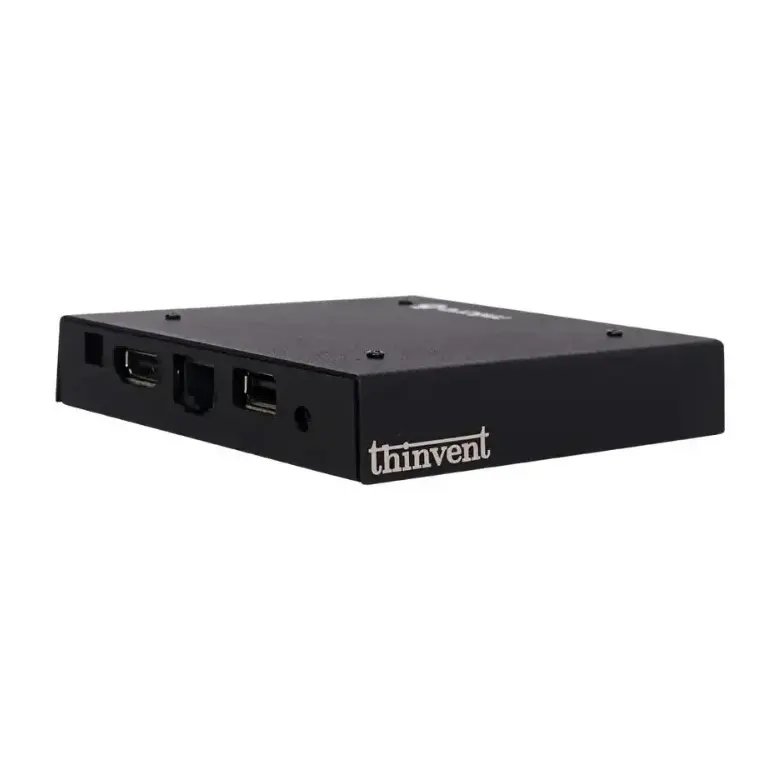
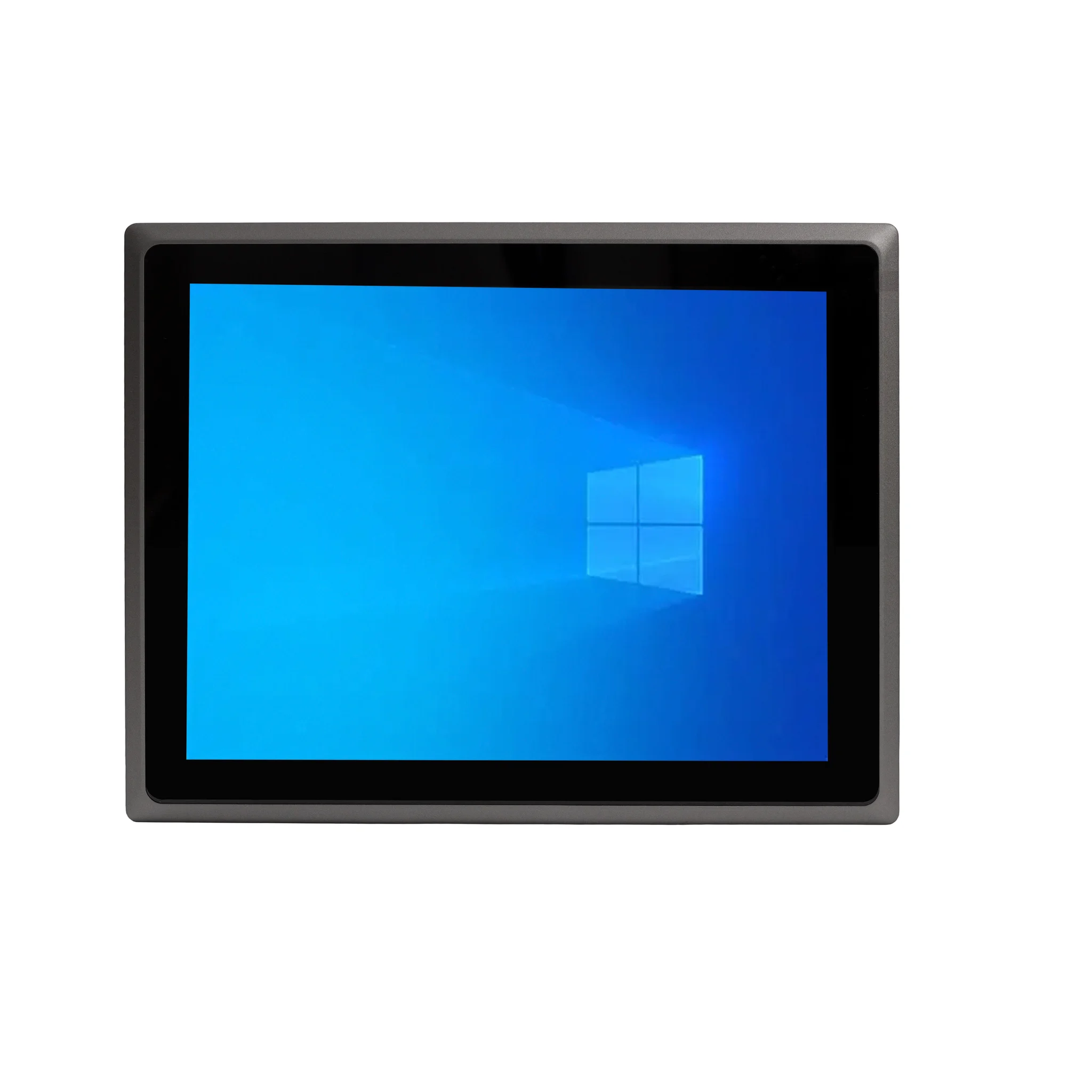
The reference "476467908" does not match any Thinvent model number, part number or product family, and it does not correspond to a recognised technical standard or configuration. It appears to be an internal record or listing identifier rather than a specification request. If you arrived here looking for a specific industrial computer, mini PC, thin client or all-in-one system, the information below summarises how our industrial PC range is structured so you can identify the right configuration by its actual technical attributes.
How Industrial PCs Are Specified
Industrial computers are selected primarily by processor class, memory, storage, operating system and I/O rather than by an arbitrary identifier. The key attributes to compare are:
| Attribute | Typical Options | Why It Matters |
|---|---|---|
| Processor | Intel® Celeron®, Intel® N-series (N95, N100, N150), Intel® Core™ i3 / i5 | Determines compute headroom for HMI, SCADA or edge workloads |
| Cores | 4, 6, 10, 12 | More cores help with multi-application or virtualised deployments |
| Generation | 7th, 10th, 12th, 13th, 14th | Newer generations deliver better performance per watt |
| Memory | 4 GB to 64 GB DDR4/DDR5 | Larger memory for databases, caching and multi-tasking |
| Storage | 128 GB to 1024 GB SSD | SSD storage resists vibration and shock better than spinning disks |
| Operating System | Windows 11 Pro, Windows 11 IoT, Ubuntu Linux 24.04 LTS, Thinux™ Embedded Linux, FreeDOS, Without OS | Must match your application stack and licensing requirements |
| Serial / Field I/O | DB9 RS-232/RS-485 ports, dual Ethernet, HDMI, USB 3.2 Gen 2, USB-C | Connects to PLCs, controllers, scales, scanners and displays |
Common Deployment Scenarios
Industrial PCs are typically used where a desktop machine would not survive. Typical roles include: factory-floor HMI terminals driving touch panels; edge gateways collecting data from PLCs and Modbus devices; kiosk and self-service terminals; warehouse and logistics stations; medical and laboratory equipment controllers; and digital signage players running unattended for months at a time. In all of these, the priorities are wide-temperature tolerance, dust resistance, continuous operation and stable supply voltage rather than peak burst performance.
Choosing Between Fanless and Actively Cooled Systems
Fanless designs remove the single most common mechanical failure point in a factory environment. With no intake fan drawing in dust, metal particles or oil mist, a fanless chassis requires far less maintenance and can be sealed against contaminants. Actively cooled systems remain useful when sustained high-load processing is required — for example video analytics or heavy database work — because they can dissipate more heat continuously. Most industrial control and data-collection tasks are light but constant, which is exactly the profile