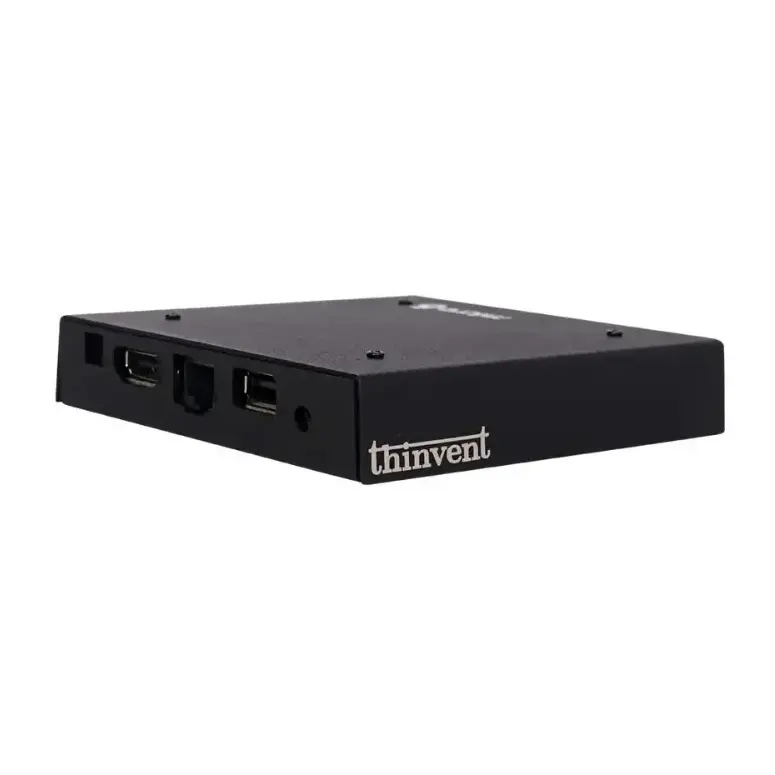
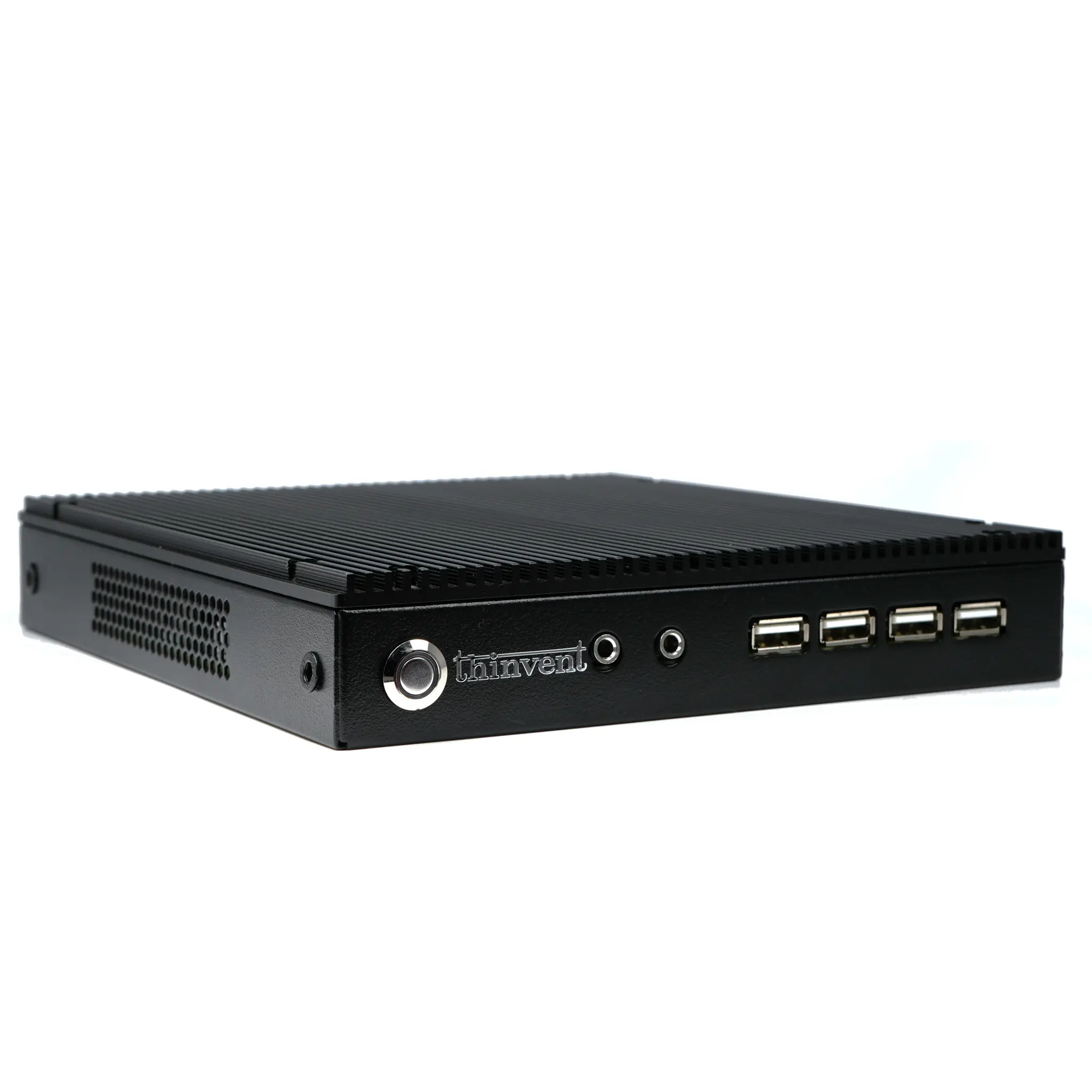
Industrial computers with 6GB of RAM represent a specific and versatile configuration, balancing cost-effectiveness with sufficient performance for a wide range of demanding applications. While 6GB is not a standard memory configuration for most modern industrial PCs (which typically come in 4GB, 8GB, 16GB, or 32GB increments), it can be a targeted specification for optimized systems, often achieved through a combination of onboard and expandable memory. The CPU options paired with this memory are crucial, as they determine the system's processing power, thermal design, and suitability for different environments.
Key Specifications and Technical Details
The core of such a system is the synergy between the 6GB RAM and the selected CPU. Memory in industrial computers is often DDR4 or DDR5 SODIMM, chosen for reliability and performance in extended operation. A 6GB configuration might utilize a 4GB onboard module paired with a 2GB SODIMM, or a single 8GB module running in a flexible mode. The CPU options range from efficient, fanless Intel processors like the N-series (e.g., N100) for basic tasks and low-power operation, to more powerful Intel Core i3 or i5 processors (e.g., 12th or 13th Generation) for applications requiring higher computational throughput, advanced graphics, or AI inference at the edge.
Use Cases and Applications
Industrial PCs with 6GB RAM are deployed in scenarios where a balance between performance and budget is essential. They are ideal for:
-
Digital Signage & Kiosks: Running media-rich content and touch-screen interfaces smoothly.
-
Thin Client & VDI Terminals: Providing a robust endpoint for virtual desktop infrastructure in manufacturing or office settings.
-
Light Industrial Automation: Controlling PLCs, HMIs, and monitoring sensors on the factory floor.
-
Edge Computing Gateways: Collecting, processing, and transmitting data from IoT devices with moderate data loads.
-
Network Appliances: Serving as firewalls, routers, or network-attached storage (NAS) devices in small to medium businesses.
Comparison of Common Configurations
| Feature | Entry-Level (e.g., Intel N100) | Mid-Range (e.g., Intel Core i3) | Performance-Oriented (e.g., Intel Core i5) |
|---|---|---|---|
| Typical CPU Cores/Threads | 4 Cores / 4 Threads | 6 Cores / 8 Threads | 10+ Cores / 12+ Threads |
| Max Turbo Frequency | ~3.4 GHz | ~4.4 GHz | ~4.8+ GHz |
| Integrated Graphics | Intel UHD Graphics | Intel UHD Graphics | Intel Iris® Xe Graphics |
| Ideal For | Fanless operation, basic computing, lightweight VDI | General automation, multi-tasking, entry-level CAD | Data processing, multi-monitor setups, advanced applications |
| Power Profile | Very Low (6-10W) | Low to Moderate (15-28W) | Moderate (15-28W P-series) |
Thinvent Industrial Computers with Flexible Configurations
Thinvent offers a comprehensive range of industrial computers, mini PCs, and thin clients that can be configured or selected to meet the performance profile of a 6GB RAM system. While standard models often start at 4GB or 8GB, many of our systems support memory customization. Our product lines, such as the Treo Mini PC (featuring efficient Intel N-series processors) and the Aero Mini PC (powered by Intel Core i3/i5 processors), provide the foundational hardware. For fully ruggedized and expandable solutions, our Industrial PC (IPC) series is built for harsh environments. We work with clients to specify the optimal combination of CPU, memory, storage, and I/O to create a reliable, application-tailored computing solution for industrial automation, digital signage, and edge computing deployments worldwide.