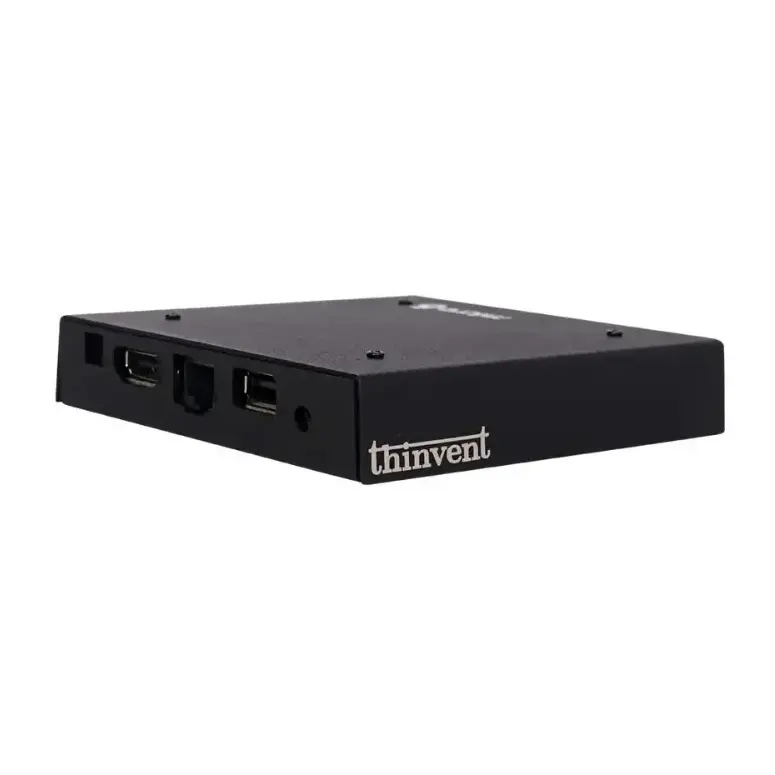
What an Embedded System Hardware Can Do
An embedded system hardware is a dedicated computing platform designed to perform specific, predefined tasks within a larger system. Unlike general-purpose computers, embedded hardware is optimized for reliability, low power consumption, and real-time performance. These systems can control machinery, process sensor data, manage user interfaces, and communicate over industrial networks. Typical capabilities include data acquisition from sensors (temperature, pressure, vibration), control of actuators (motors, valves, relays), and edge computing for local data processing and decision-making without constant cloud connectivity.
Key Specifications and Technical Details
Embedded system hardware is characterized by several critical specifications:
-
Processor Architecture: Options range from ARM Cortex-A series (e.g., Cortex-A53, A55) for low-power applications to Intel Core i3/i5 series for higher computational demands. ARM processors typically offer 4 cores at up to 2.0 GHz with 1 MB cache, while Intel processors provide 6-12 cores with up to 5.0 GHz and 12 MB cache.
-
Memory and Storage: RAM varies from 2 GB to 32 GB, with storage options including eMMC (16-64 GB) for embedded Linux or SSD (128-512 GB) for Windows-based systems.
-
Power Efficiency: Embedded systems often operate on 5V or 12V DC adapters, consuming as little as 10-30 watts, making them suitable for 24/7 operation in industrial environments.
-
Connectivity: Typical I/O includes HDMI, USB 3.2, Ethernet (1000 Mbps), and optional WiFi. Some models support dual-band WiFi for flexible network integration.
Use Cases and Applications
Industrial embedded systems hardware is deployed across diverse sectors:
-
Factory Automation: Controlling PLCs, robotic arms, and conveyor belts in manufacturing lines.
-
Smart Energy: Managing solar inverters, battery storage systems, and smart meters.
-
Transportation: Powering infotainment systems, telematics units, and railway signaling controllers.
-
Medical Devices: Running patient monitors, diagnostic equipment, and portable ultrasound machines.
-
Retail & Kiosks: Operating POS terminals, self-checkout systems, and digital signage.
Comparison: ARM vs Intel Embedded Systems
| Feature | ARM-Based (Cortex-A) | Intel-Based (Core/N Series) |
|---|---|---|
| Power Consumption | 5-15W | 15-35W |
| Performance | Low to moderate | Moderate to high |
| OS Support | Embedded Linux, RTOS | Windows, Linux |
| Ideal Use | IoT sensors, portable devices | Edge servers, industrial PCs |
| Cost | Lower | Higher |
Thinvent's Industrial Embedded Systems Hardware Solutions
Thinvent offers a comprehensive range of embedded system hardware designed for industrial environments. Our portfolio includes:
-
ARM-Based Thin Clients: The Micro 5 and Micro 6 Pro series feature Cortex-A53/A55 processors with 2-4 GB RAM and Thinux Embedded Linux, ideal for low-power IoT gateways and display terminals.
-
Intel-Based Industrial PCs: The IPC1, IPC3, and IPC5 series provide Intel N100, i3-1215U, and i5-1240P processors with up to 16 GB RAM and 512 GB SSD, running Windows 11 IoT or Ubuntu Linux for demanding edge computing tasks.
-
Mini PCs: The Treo and Aero series offer flexible configurations from N100 to Core 5 120U processors, supporting both Windows and Linux for versatile embedded applications.
All Thinvent embedded systems feature fanless cooling, wide temperature support (0-50°C), and industrial-grade reliability for 24/7 operation in harsh environments.