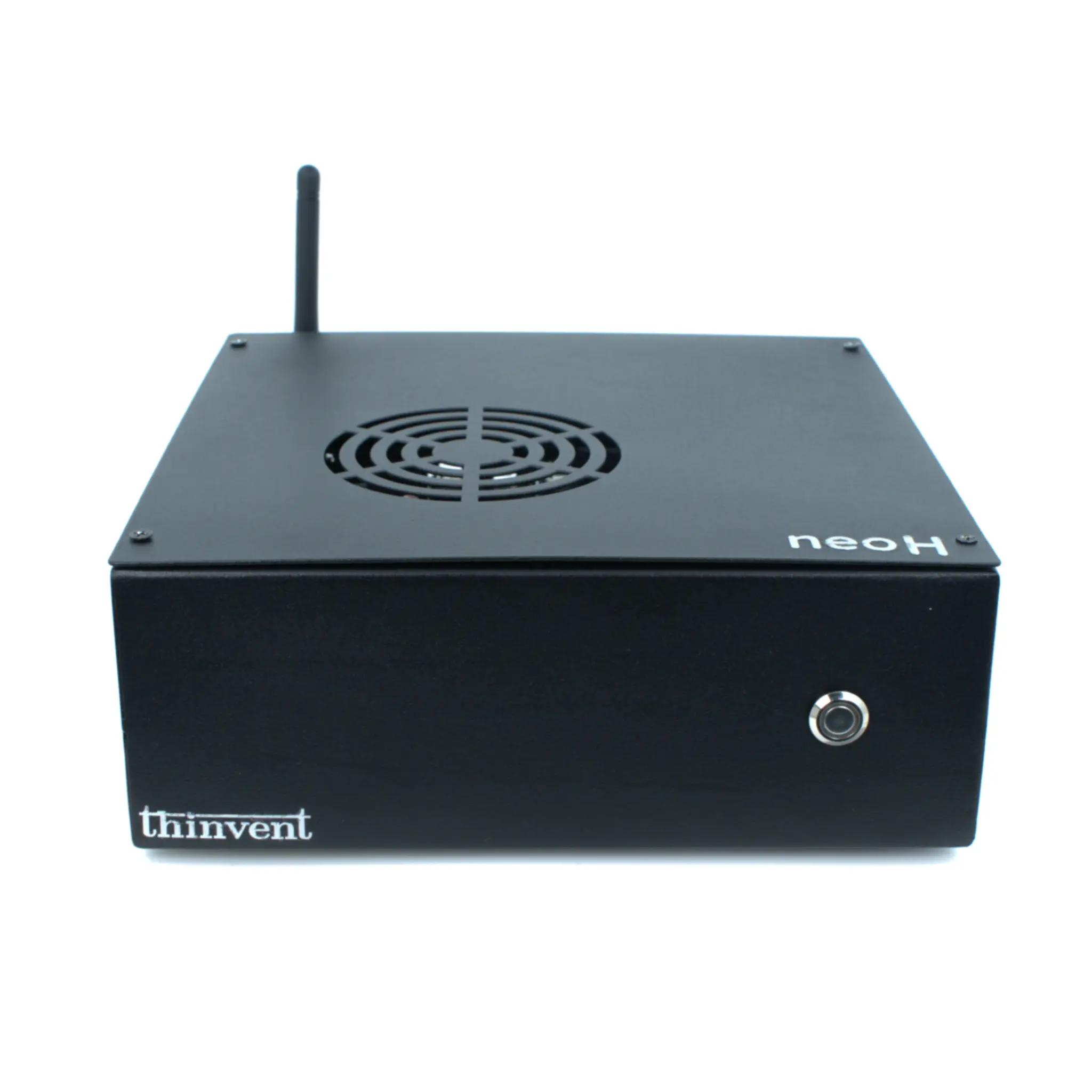
What is a Basic Desktop Setup?
A basic desktop setup refers to a compact, reliable, and energy-efficient computing system designed for essential productivity, digital signage, kiosk, and light-duty industrial tasks. Unlike high-performance workstations, these systems prioritize low power consumption, silent operation, and a small physical footprint while delivering sufficient performance for everyday applications. The core components typically include a low-power processor (from ARM or Intel's N/Core series), integrated graphics, modest RAM (2GB to 16GB), and solid-state storage (eMMC or SSD). These setups are ideal for environments where space, heat, and noise are constraints, such as offices, retail spaces, classrooms, and factory floors.
Key Specifications and Technical Details
The performance and capability of a basic desktop are defined by its core specifications. Processors range from ARM-based chips, like the Cortex A53/A55, which are highly efficient for lightweight OS and web-based applications, to Intel processors such as the N100, i3, or i5, which offer x86 compatibility and higher performance for Windows or Linux. Memory and storage configurations scale with the processor: ARM systems often feature 2-4GB of onboard RAM and 16-64GB eMMC, while Intel-based systems typically offer 4-16GB DDR4 RAM and 128-512GB SSDs for faster data access. Connectivity is standardized with HDMI output, USB ports, and dual-band WiFi, ensuring easy setup with standard peripherals.
Primary Use Cases and Applications
Basic desktop setups are versatile and serve numerous static and interactive roles. Common applications include:
-
Digital Signage & Kiosks: Driving displays for menus, advertisements, or information points.
-
Thin Clients & VDI: Connecting to virtual desktop infrastructures for centralized management.
-
Light Office Productivity: Handling email, web browsing, document editing, and video conferencing.
-
Industrial HMIs: Serving as human-machine interfaces in manufacturing or logistics.
-
Educational Terminals: Providing computer access in libraries or computer labs.
-
Edge Computing Nodes: Running lightweight applications or data collection in IoT environments.
Comparison of Common Basic Desktop Configurations
The right setup depends on the required OS, software compatibility, and performance needs. Below is a comparison of typical configurations found in Thinvent's lineup.
| Processor Type | Typical Model | Cores / Freq. | RAM / Storage | Ideal OS / Use Case |
|---|---|---|---|---|
| ARM Cortex | A53 / A55 | 4 cores, 1.5 - 1.9 GHz | 2-4 GB / 16-64 GB eMMC | Thinux™, Linux; Thin client, basic kiosk |
| Intel N-Series | N100 | 4 cores, up to 3.4 GHz | 4-8 GB / 128 GB SSD | Ubuntu, Windows IoT; Light productivity, digital signage |
| Intel Core i3 | 1215U | 6 cores, up to 4.4 GHz | 8 GB / 256 GB SSD | Windows 11 Pro, Linux; Office work, industrial HMI |
| Intel Core i5 | 1250P / 120U | 10-12 cores, up to 5 GHz | 16 GB / 512 GB SSD | Windows 11 Pro; Advanced multitasking, edge computing |
Thinvent's Basic Desktop Solutions
Thinvent offers a comprehensive range of basic desktop computers engineered for reliability in commercial and industrial settings. Our product families cater to different performance tiers and form factors. The Micro series provides ultra-compact, fanless ARM-based systems perfect for space-constrained and silent operations. The Treo and Aero mini PC lines feature efficient Intel processors in sleek enclosures, balancing performance and size for office and retail use. For demanding environments, our Industrial PC (IPC) series delivers ruggedized builds with higher-performance Intel Core processors and a choice of operating systems, ensuring durability for 24/7 operation. All Thinvent desktops are designed for global deployment, featuring robust connectivity and energy-efficient operation to reduce total cost of ownership.