What Makes a Computer Ideal for CAD Work?
CAD (Computer-Aided Design) applications demand powerful computing resources for smooth operation. The best CAD computers require robust processors, ample RAM, and fast storage to handle complex 3D modeling, rendering, and simulations efficiently. Key specifications include multi-core processors for parallel processing, dedicated graphics capabilities, and sufficient memory to manage large design files without lag.
Essential Specifications for CAD Systems
For optimal CAD performance, look for systems with Intel Core i5 or higher processors (preferably 12th generation or newer), minimum 16GB RAM (32GB recommended for complex projects), and SSD storage for fast file access. A dedicated GPU is crucial for rendering tasks, though some entry-level CAD work can be handled by integrated graphics. Multiple display outputs, fast connectivity, and reliable cooling systems are also important considerations.
| CAD Complexity Level | Recommended Specs | Typical Use Cases |
|---|---|---|
| Entry-Level CAD | i5, 16GB RAM, 256GB SSD | 2D drafting, simple 3D models |
| Professional CAD | i7, 32GB RAM, 512GB SSD | Complex assemblies, rendering |
| Advanced CAD | i9, 64GB RAM, 1TB SSD | Large-scale projects, simulations |
Thinvent CAD-Optimized Solutions
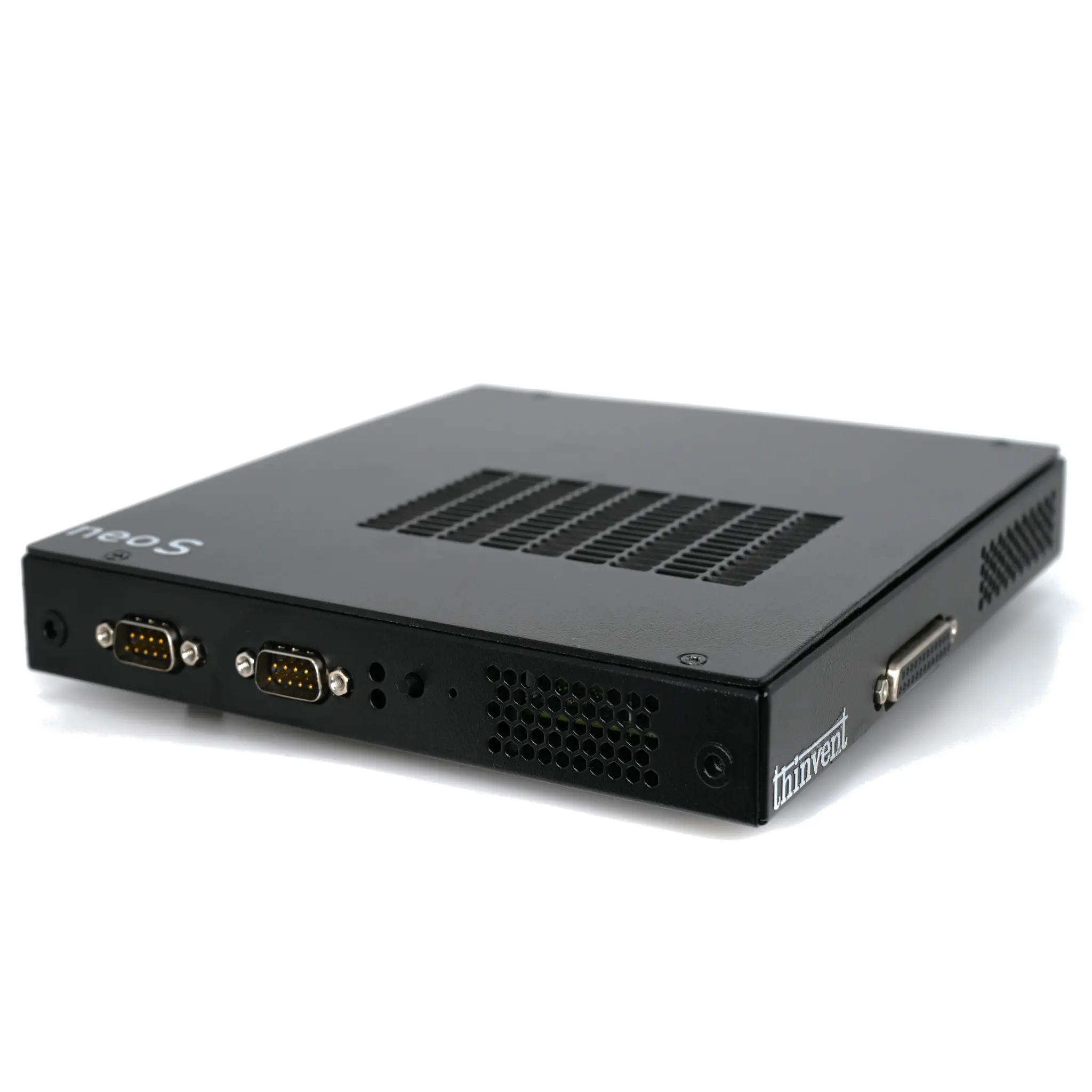
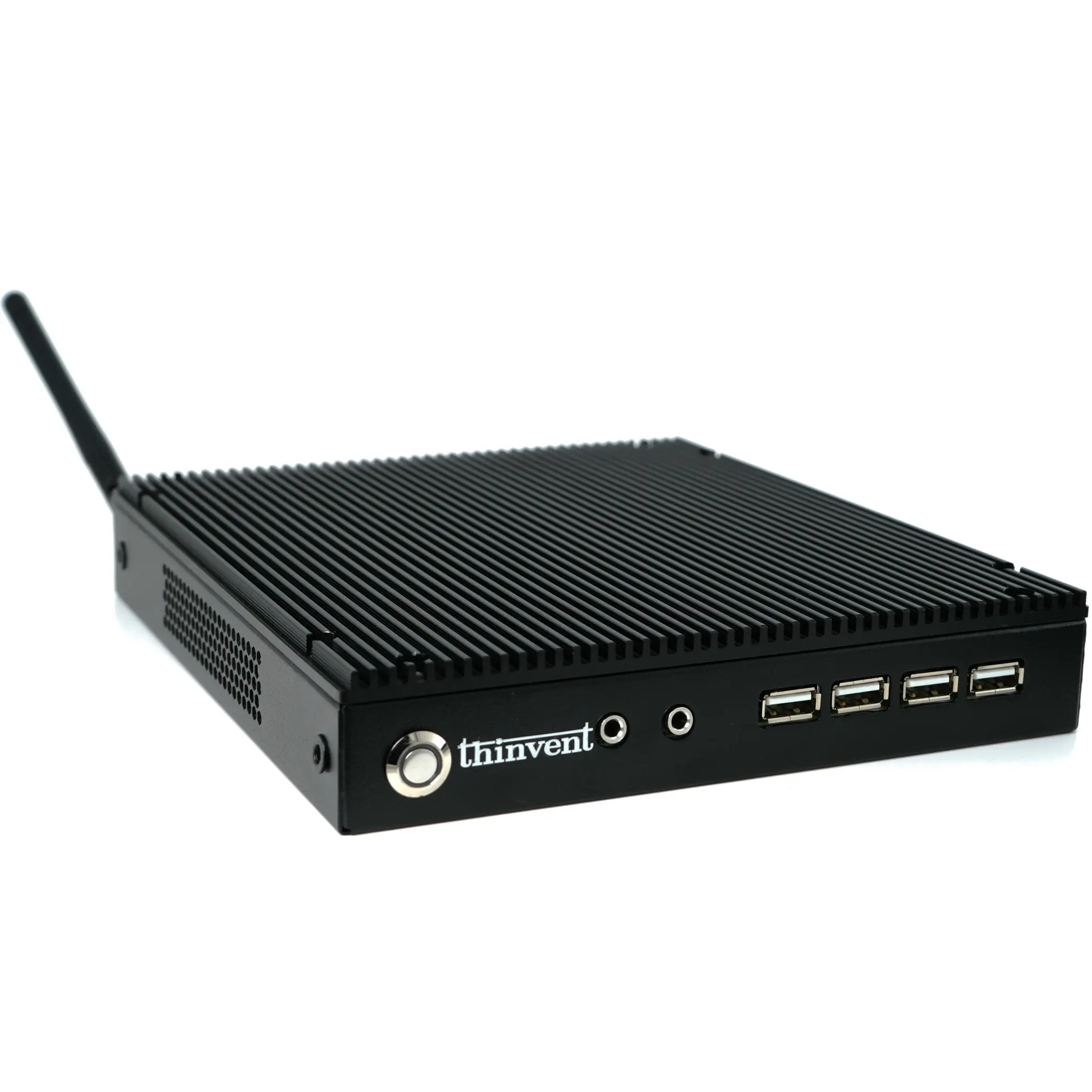
Thinvent offers a range of industrial computers specifically engineered for CAD applications. Our systems feature high-performance Intel processors, configurable memory up to 64GB, and fast SSD storage options. The fanless cooling design ensures quiet operation and reliability in demanding engineering environments. From compact mini PCs for space-constrained workstations to powerful industrial systems for complex design tasks, Thinvent provides durable, performance-optimized solutions for CAD professionals worldwide.