What is the Best Computer for a Network Engineer?
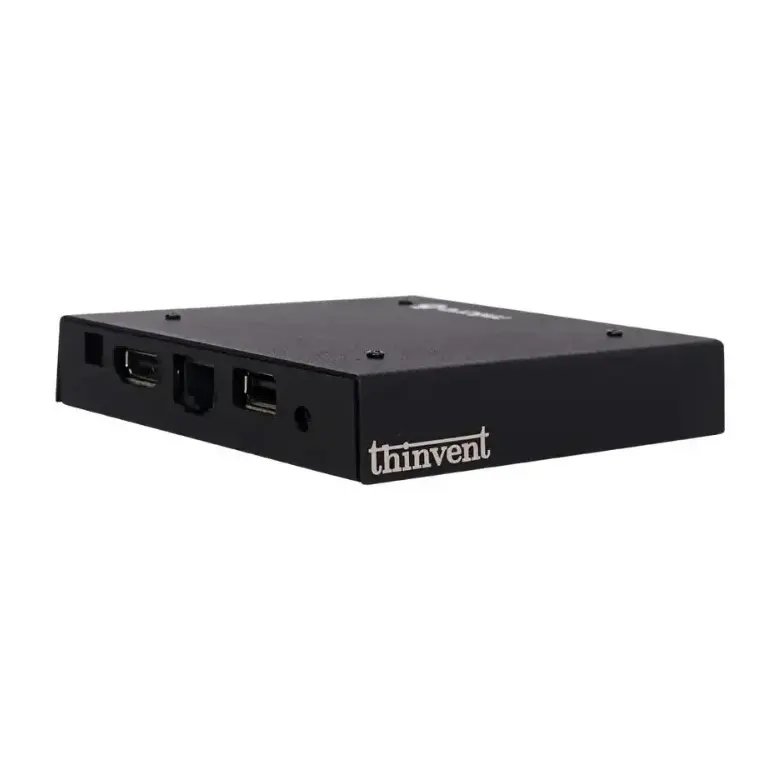
The best computer for a network engineer is a compact, reliable, and high-performance system designed for 24/7 operation in diverse environments. It must handle network monitoring, configuration management, virtualization, and diagnostic tools efficiently. Key requirements include robust processing power for running multiple network emulators and VMs, ample memory for data analysis, reliable high-speed connectivity, and a fanless, rugged design for deployment in server rooms, network closets, or field locations.
Key Specifications and Technical Details
A network engineering workstation should balance performance with durability. Essential specifications include:
-
Processor: Modern multi-core CPUs (e.g., Intel Core i5/i3 or efficient N-series) to handle network simulations, packet analysis, and lightweight virtualization.
-
Memory (RAM): Minimum of 8GB, with 16GB or more recommended for running multiple network management consoles, terminal sessions, and virtual machines simultaneously.
-
Storage: Fast SSD storage (256GB or more) for quick OS and application boot times, and efficient handling of large log files and packet captures.
-
Connectivity: Dual Gigabit Ethernet ports are highly advantageous for network bridging, traffic monitoring, or acting as a router/firewall test device. Multiple USB ports for console cables and diagnostic tools are also critical.
-
Design: A fanless, industrial-grade chassis ensures silent operation, prevents dust ingress, and provides reliable performance in non-climate-controlled environments.
Use Cases and Applications
These specialized computers are ideal for:
-
Network Operations Centers (NOCs): As compact monitoring stations running software like Wireshark, PRTG, or Nagios.
-
Field Engineering: Portable, rugged units for on-site diagnostics, configuration, and troubleshooting of network hardware.
-
Lab and Testing Environments: Deploying virtual network appliances, running GNS3/EVE-NG simulations, or testing firewall and routing configurations.
-
Edge Computing: Hosting lightweight network services or security applications at remote branch locations.
Recommended System Comparison
| Feature | Entry-Level / Light Duty | Recommended / General Purpose | High-Performance / Lab Use |
|---|---|---|---|
| Use Case | Basic monitoring, CLI management | Full NOC station, field diagnostics | Advanced virtualization, complex labs |
| Processor | Intel N-series (e.g., N100) | Intel Core i3 / i5 (10th-14th Gen) | Intel Core i5 / i7 (12th-14th Gen+) |
| Memory | 8GB DDR4 | 16GB DDR4/DDR5 | 32GB+ DDR5 |
| Storage | 128GB SSD | 256GB - 512GB SSD | 512GB+ NVMe SSD |
| Networking | Single Gigabit Ethernet | Dual Gigabit Ethernet | Dual 2.5GbE or configurable options |
| Form Factor | Mini PC, Thin Client | Industrial Mini PC, Compact All-in-One | Rugged Industrial PC |
Thinvent Solutions for Network Engineers
Thinvent offers a range of industrial computing solutions perfectly suited for network engineering tasks. Our product lines, such as the Aero Mini PC series, feature the reliable, fanless designs and modern Intel processors discussed here. They are built for continuous operation and can be configured with various memory, storage, and operating system options—including Windows 11 Pro, Ubuntu Linux, or a lightweight embedded OS—to match your specific workflow. With robust connectivity options and a compact footprint, Thinvent computers provide a dependable hardware foundation for managing and securing critical network infrastructure worldwide.