What is the Best Computer Processor?
The "best" computer processor depends entirely on your specific application, workload, and system requirements. For industrial computing, the ideal processor balances performance, power efficiency, thermal management, and long-term reliability. Key factors include core count, clock speed, thermal design power (TDP), and integrated graphics capabilities. There is no single "best" processor, but rather a range of optimal choices for different use cases, from low-power edge computing to high-performance data processing.
Key Specifications and Technical Details
When evaluating processors, focus on these critical specifications:
-
Core Count & Threads: Determines multitasking ability and parallel processing power. More cores are better for multi-threaded applications.
-
Clock Speed (Base & Turbo): Measured in GHz, this indicates how fast a single core can execute instructions. Higher speeds benefit single-threaded tasks.
-
Cache Memory (L2/L3): A small, fast memory pool on the CPU that stores frequently accessed data, significantly reducing latency.
-
Thermal Design Power (TDP): The maximum amount of heat a processor is expected to generate. Lower TDP (e.g., 6W-15W) is crucial for fanless, compact designs in harsh environments.
-
Integrated Graphics: The GPU built into the CPU. Important for digital signage, basic visualization, and multi-display setups without a dedicated graphics card.
-
Instruction Set & Generation: Newer processor generations (e.g., Intel 12th Gen and newer) offer improved performance per watt and support for modern interfaces like PCIe 4.0.
Use Cases and Application Matching
Matching the processor to the task is essential for optimal system performance and cost-efficiency.
| Use Case / Application | Recommended Processor Type | Key Rationale |
|---|---|---|
| Digital Signage & Kiosks | Intel® Celeron/N-Series (e.g., N100) | Low power, fanless operation, capable integrated graphics for media playback. |
| Industrial Automation & Control | Intel® Core i3/i5 (e.g., 12th/13th Gen) | Reliable performance for PLCs, SCADA systems, and machine control with good single-thread speed. |
| Thin Clients & VDI | Intel® Celeron/N-Series or ARM-based | Efficiently handles remote desktop protocols with minimal local processing and low energy use. |
| Edge Computing & IoT Gateways | Intel® Atom/Celeron or ARM | Low TDP for always-on operation in constrained spaces, often with extended temperature support. |
| High-Performance Workstations | Intel® Core i5/i7 (e.g., 13th/14th Gen P-series) | High core/thread counts and turbo frequencies for data analysis, CAD, and software development. |
Thinvent Products Featuring Optimized Processors
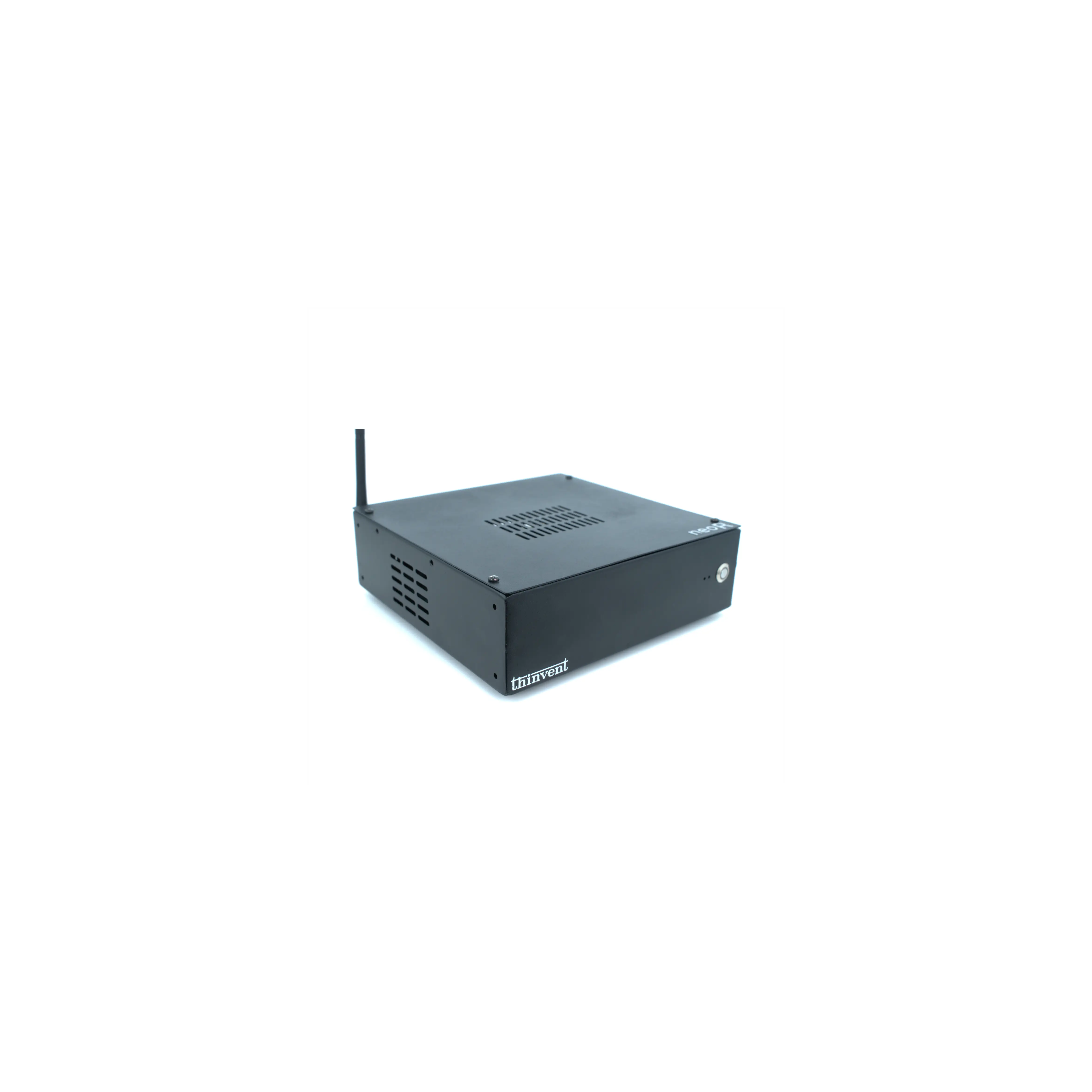
Thinvent's industrial computing solutions are engineered with carefully selected processors to meet the rigorous demands of business and industrial environments. Our product lines span from ultra-compact, fanless mini PCs powered by efficient Intel N-Series processors for edge deployments, to robust industrial PCs equipped with high-performance Intel Core i5 and i7 CPUs for demanding computational tasks. Each system is designed with reliability, longevity, and thermal efficiency in mind, ensuring stable operation in varied conditions. By offering a spectrum of processor options, Thinvent enables customers to select the precise balance of power and efficiency required for their specific application, from digital signage and kiosks to automation control and data acquisition systems.