What is the Best CPU for Animation?
For professional animation, the best CPU prioritizes high core counts, fast clock speeds, and robust multi-threading performance. Modern 3D rendering, simulation, and compositing software are heavily multi-threaded, meaning they can distribute workloads across many CPU cores. Therefore, processors with a high number of performance cores (P-cores) and efficient cores (E-cores) from Intel's latest generations are typically the top choice. Key specifications to look for include a high maximum turbo frequency (ideally above 4.0 GHz) for single-threaded tasks like viewport manipulation, and a large cache (12MB+) to handle complex scene data efficiently.
Key Specifications and Technical Details
The ideal animation workstation CPU balances raw multi-core power with strong single-threaded performance. Important metrics include:
-
Core Count: 10 cores or more is recommended for rendering. More cores significantly reduce render times.
-
Clock Speed: A high turbo boost speed (e.g., 4.4 GHz to 5.0 GHz) ensures smooth performance in the application interface and during real-time previews.
-
Cache Size: A larger L3 cache (e.g., 12MB to 24MB) allows the CPU to store more scene data close at hand, speeding up calculations.
-
Generation: Newer architectures (e.g., Intel's 12th, 13th, and 14th Gen) offer better performance-per-watt and advanced instruction sets that accelerate specific computations.
Use Cases and Applications
The right CPU is critical across the animation pipeline:
-
3D Modeling & Sculpting: Relies on strong single-threaded performance for a lag-free experience in applications like Blender, Maya, or ZBrush.
-
Animation & Rigging: Benefits from a balance of single-threaded speed and multi-core power for calculating complex deformations and simulations.
-
Rendering (CPU-based): This is the most demanding phase, where high core counts directly translate to faster final frame output in engines like Arnold, V-Ray, or Cycles.
-
Compositing & Post-Production: Software like Nuke or After Effects utilizes multiple cores for applying effects, color grading, and final compositing layers.
Comparison of CPU Tiers for Animation
| Use Case Tier | Recommended Series | Ideal Core Count | Key Features | Best For |
|---|---|---|---|---|
| Entry-Level / Learning | Intel Core i3, Intel N-series | 4-6 Cores | Adequate for basic 3D, 2D animation, and light rendering. | Students, hobbyists, simple motion graphics. |
| Professional Workstation | Intel Core i5, i7 | 10-14 Cores | High turbo clocks, significant cache. Excellent balance for modeling and rendering. | Freelancers, small studios, generalist animators. |
| High-End / Render Node | Intel Core i7, i9 | 14+ Cores | Maximum core count and cache. Built for heavy simulation and fastest render times. | Studio rendering farms, complex character/effects animation. |
Thinvent Solutions for Animation Workloads
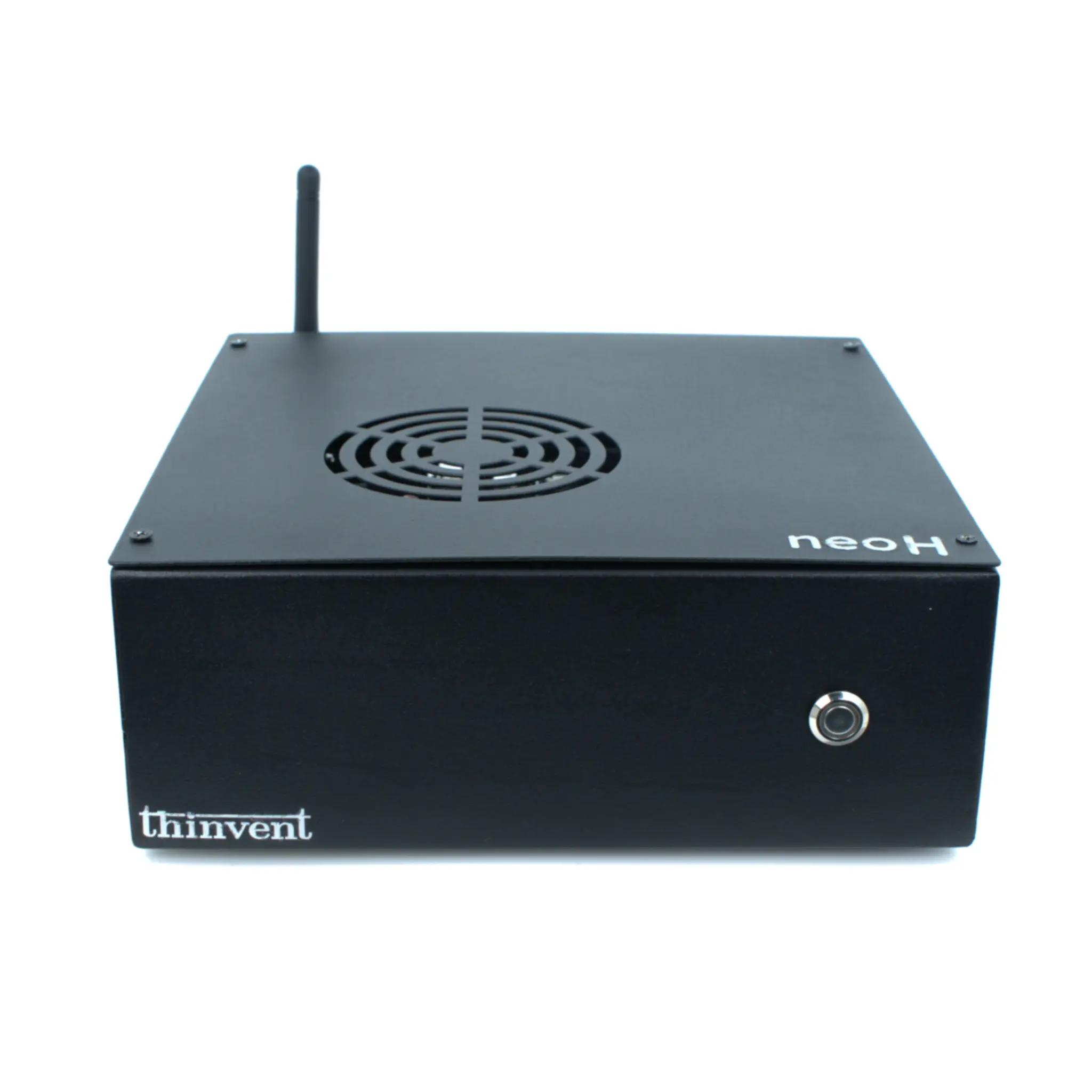
Thinvent's industrial and mini PCs are engineered to deliver the sustained performance required for demanding animation tasks. Our systems feature the latest Intel Core processors, from the efficient Core i3 for entry-level work to the powerful Core i5 and i7 series for professional studios. Built with reliability in mind, these fanless or actively cooled computers ensure stable operation during long render sessions. Whether you need a compact mini PC for a designer's desk or a robust industrial PC for a render node, Thinvent provides scalable, professional-grade computing solutions to power every stage of the animation creative process.