What Are the Best CPUs for Industrial Computing Today?
For demanding industrial applications, the "best" CPU is defined by a balance of raw performance, power efficiency, thermal management, and long-term reliability. Modern industrial computing requires processors that can handle complex automation, real-time data processing, and edge computing workloads without failure. The current market leaders for high-performance industrial PCs are Intel's latest Core and Core Ultra series, offering a significant leap in multi-core processing, integrated graphics, and AI acceleration capabilities.
Key Specifications and Technical Details
High-performance industrial CPUs are characterized by several critical specifications. Core count is paramount, with modern processors offering 6 to 14 performance and efficiency cores (P-cores and E-cores) to manage diverse workloads intelligently. Clock speeds now regularly reach up to 5.0 GHz with Turbo Boost, ensuring snappy single-threaded performance. A large cache (12MB or more) is essential for reducing latency in data-intensive tasks. Furthermore, support for high-speed DDR4/DDR5 memory, PCIe 4.0/5.0 lanes, and advanced integrated graphics like Intel® Iris® Xe are standard in top-tier models. Crucially, these processors are designed to operate reliably in extended temperature ranges and within fanless, sealed enclosures common in industrial settings.
Primary Use Cases and Applications
These powerful CPUs are engineered for the most demanding industrial environments. Key applications include:
-
Industrial Automation & Control: Running complex PLCs, HMIs, and SCADA systems for manufacturing lines.
-
Machine Vision & AI Inference: Processing high-resolution image data for quality inspection, robotic guidance, and predictive maintenance at the edge.
-
Digital Signage & Kiosks: Driving multiple 4K displays in public spaces, retail, and transportation hubs.
-
Edge Computing Gateways: Aggregating, analyzing, and securing data from IoT sensors before sending it to the cloud.
-
Test & Measurement Equipment: Providing the computational power for precise data acquisition and real-time analysis.
CPU Comparison for Industrial Workloads
| Feature | Intel Core i3 (e.g., 1215U) | Intel Core i5 (e.g., 1240P/120U) | Intel Core i7/i9 & Ultra Series | Intel Processor N-Series (e.g., N100) |
|---|---|---|---|---|
| Best For | Entry-level automation, basic HMIs, thin clients | Mainstream automation, multi-display signage, edge gateways | High-end machine vision, complex simulation, AI workloads | Lightweight, fanless edge devices, kiosks, digital signage |
| Cores/Threads | 6C/8T | 10C-12C/12T-16T | 14C+ / 20T+ | 4C/4T |
| Max Turbo Frequency | ~4.4 GHz | ~4.4 - 5.0 GHz | 5.0+ GHz | ~3.4 GHz |
| Power Profile | Low to Moderate | Balanced Performance/Power | High Performance | Ultra-Low Power |
| Typical Use Case | Reliable workhorse for standard tasks | Versatile powerhouse for diverse applications | Maximum computational throughput | Cost-effective, efficient computing |
Thinvent's High-Performance Industrial Computing Solutions
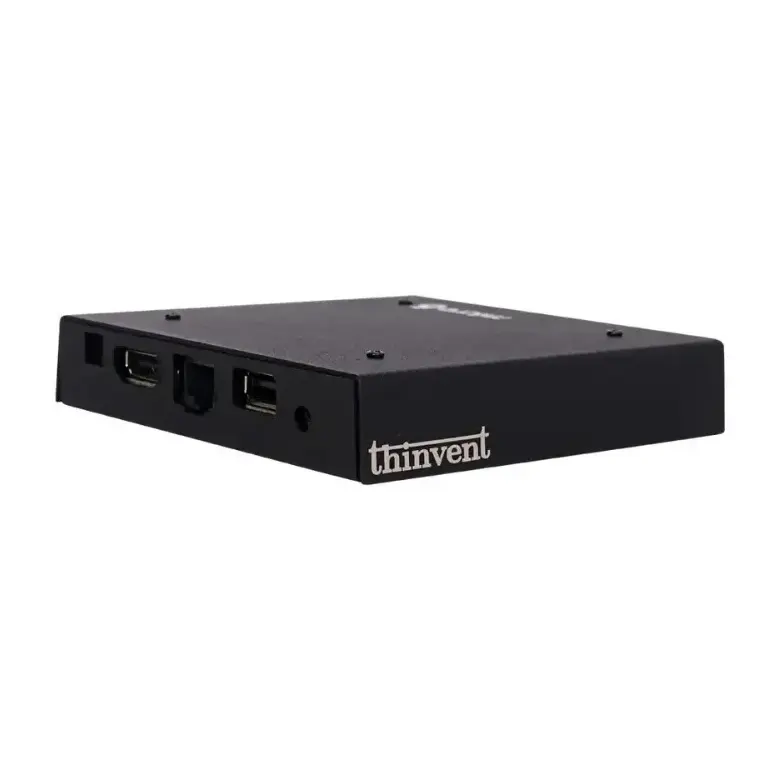
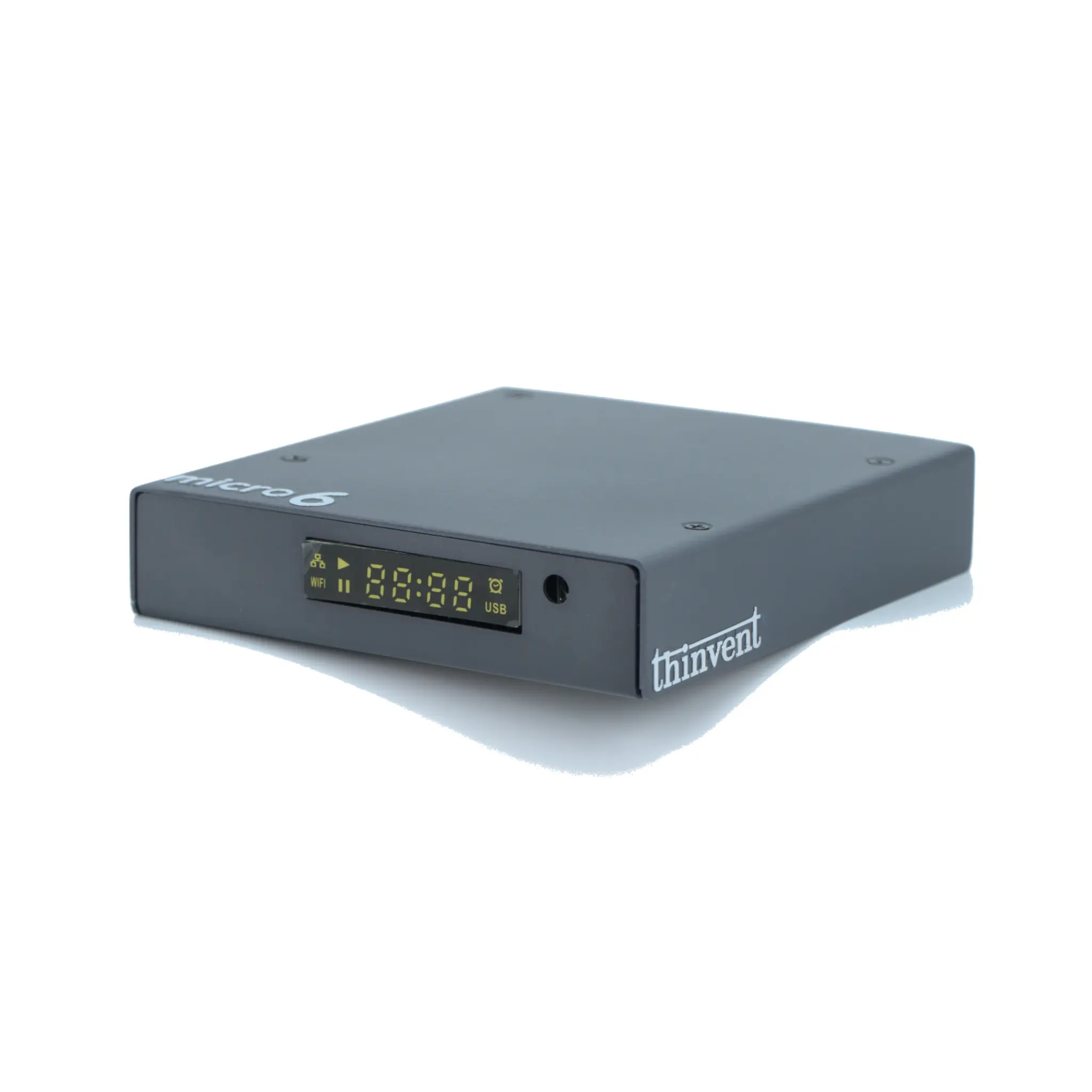
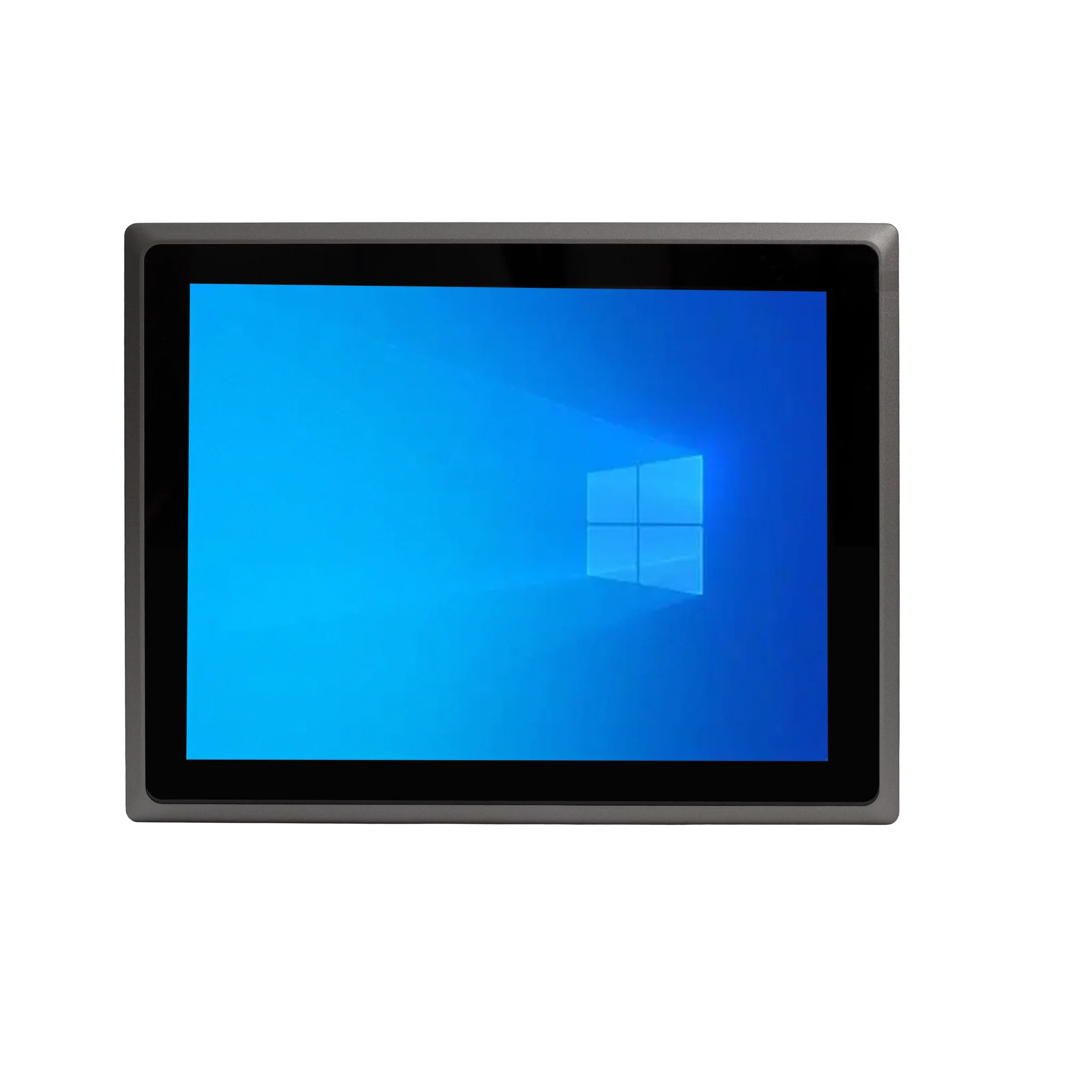
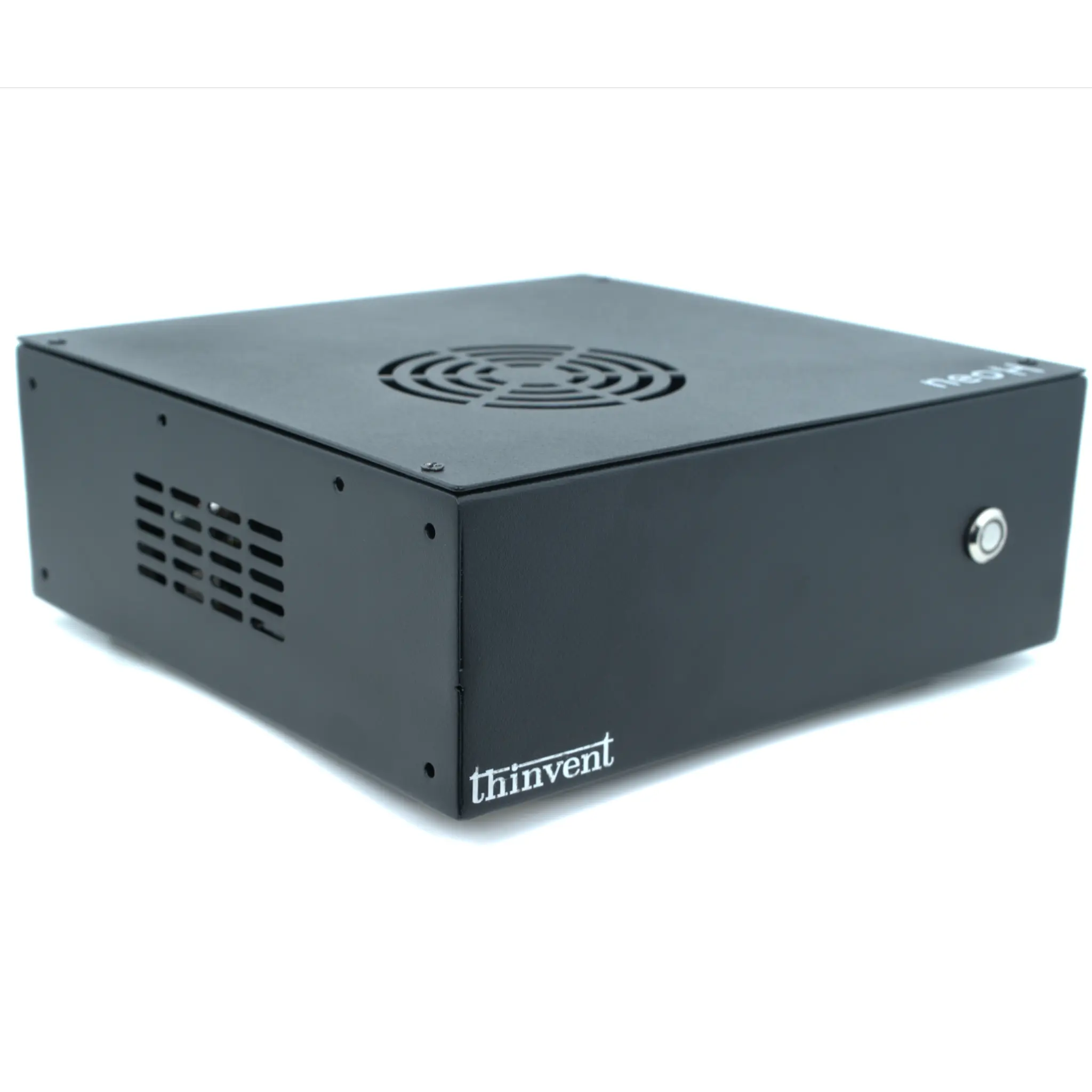
Thinvent integrates these leading-edge CPUs into robust, reliable systems built for 24/7 operation. Our product range caters to every performance tier. For maximum power, our Industrial PC (IPC) series features Intel Core i5 and i7 processors with ample RAM and SSD options, perfect for machine control and AI applications. The Aero Mini PC line offers a superb balance of performance and compact size with Intel Core i3 and i5 CPUs, ideal for digital signage and edge servers. For efficient, fanless operation in space-constrained or harsh environments, our Treo Mini PC and Micro series utilize Intel N-Series and ARM processors. Every Thinvent system is engineered with industrial-grade components, wide-temperature operation, and flexible mounting options to deliver dependable computing power where it matters most.