What Are The Best CPUs For Industrial Computing?
The "best" CPU for industrial applications is not defined by raw speed alone, but by a combination of performance, power efficiency, thermal design, and long-term reliability. For demanding environments like factory floors, digital signage, and edge computing, the ideal processors balance computational power with fanless, rugged operation. Modern industrial-grade CPUs from Intel's latest generations, such as the efficient N-series and powerful Core i-series, are engineered to deliver consistent performance under variable loads and harsh conditions without active cooling.
Key Specifications and Technical Details
Industrial CPUs prioritize low thermal design power (TDP) to enable fanless cooling, which eliminates moving parts that can fail due to dust or vibration. Key specifications to evaluate include:
-
Core Count & Threads: Multi-core processors (e.g., 4, 6, 10, or 12 cores) handle multitasking and parallel processing for machine vision or data aggregation.
-
Processor Generation: Newer generations (e.g., 12th, 13th, 14th Gen Intel®) offer improved performance per watt and enhanced integrated graphics.
-
Cache Memory: Larger cache (e.g., 6MB to 24MB) speeds up data access for repetitive industrial control tasks.
-
Integrated Graphics: Modern Intel® UHD or Iris® Xe graphics support multiple high-resolution displays for HMIs and control panels.
Use Cases and Applications
The right CPU is selected based on the specific industrial workload:
-
Lightweight & Efficient (Intel N-series): Ideal for digital signage, thin clients, kiosks, and basic PLCs. Processors like the Intel N100 offer excellent power efficiency for always-on applications.
-
Balanced Performance (Intel Core i3/i5): Suited for industrial automation, edge gateways, and medical devices. These provide robust performance for data processing and moderate graphics tasks.
-
High-Performance (Intel Core i5/i7): Necessary for machine vision, AI inference at the edge, and complex simulation. These CPUs feature higher core counts and advanced graphics capabilities.
CPU Comparison for Industrial Use
| Processor Series | Typical Cores | Ideal Use Case | Key Strength |
|---|---|---|---|
| Intel N-series (e.g., N100) | 4 | Digital Signage, Thin Clients | Ultra-low power, fanless, cost-effective |
| Intel Celeron | 4 | Basic Kiosks, IoT Gateways | Reliable entry-level performance |
| Intel Core i3 | 4-6 | Industrial PCs, Automation | Balanced performance for most tasks |
| Intel Core i5 | 6-12 | Machine Vision, Edge AI | High performance with advanced graphics |
Thinvent Products Featuring Advanced CPUs
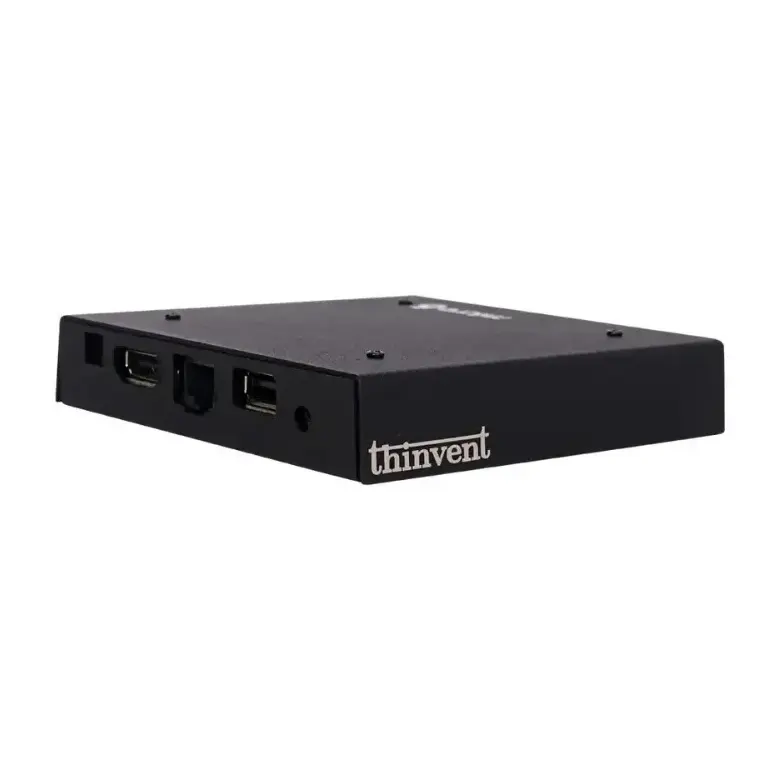
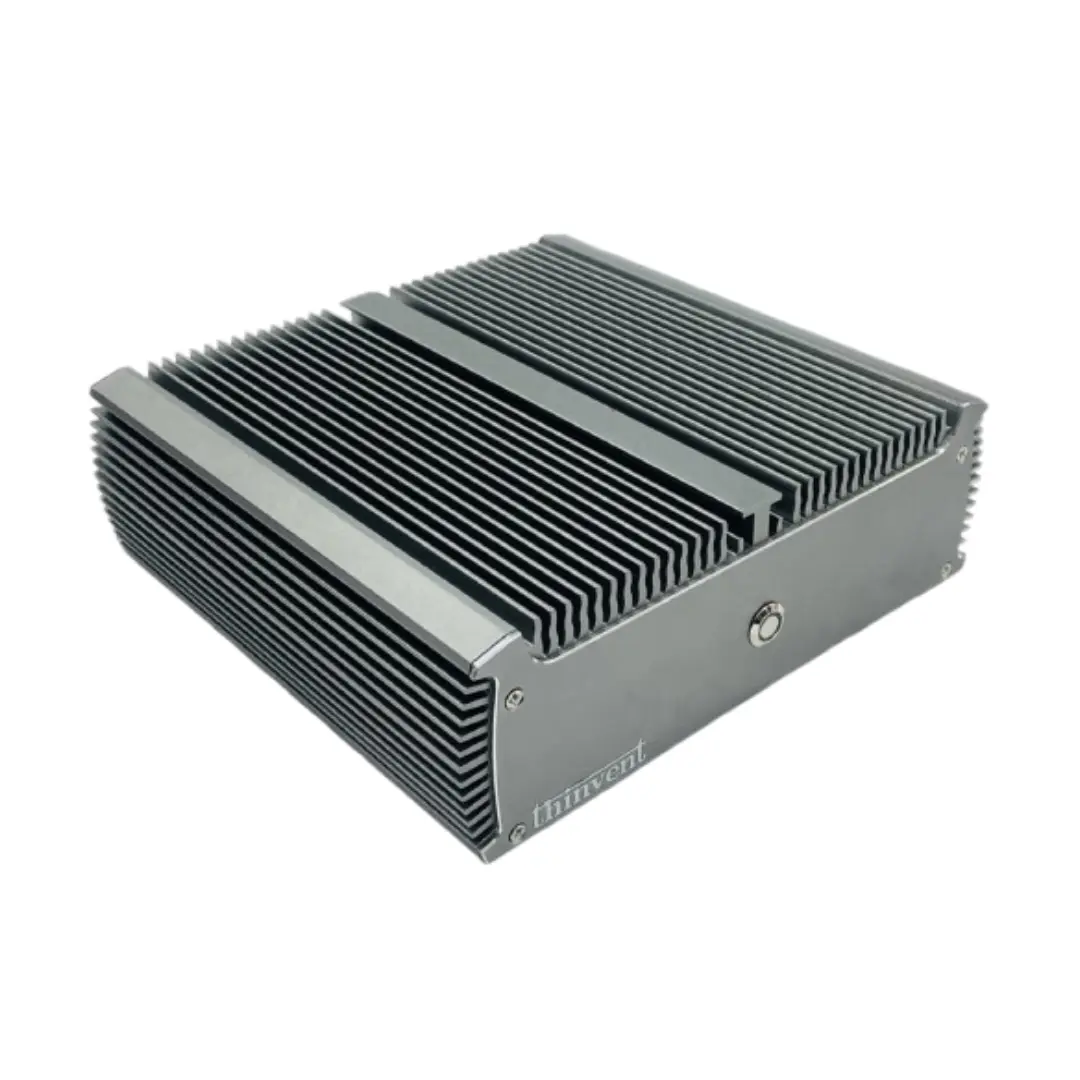
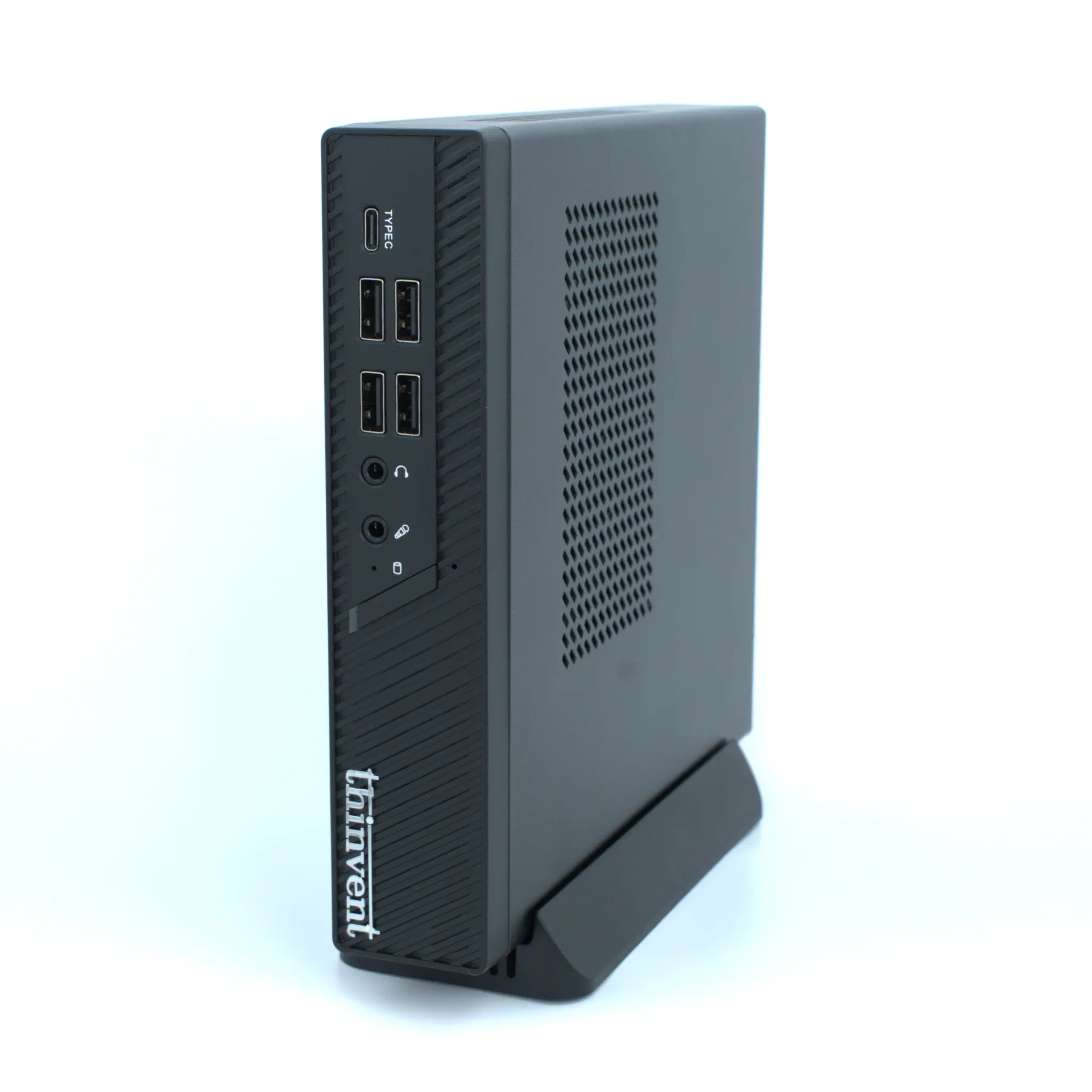
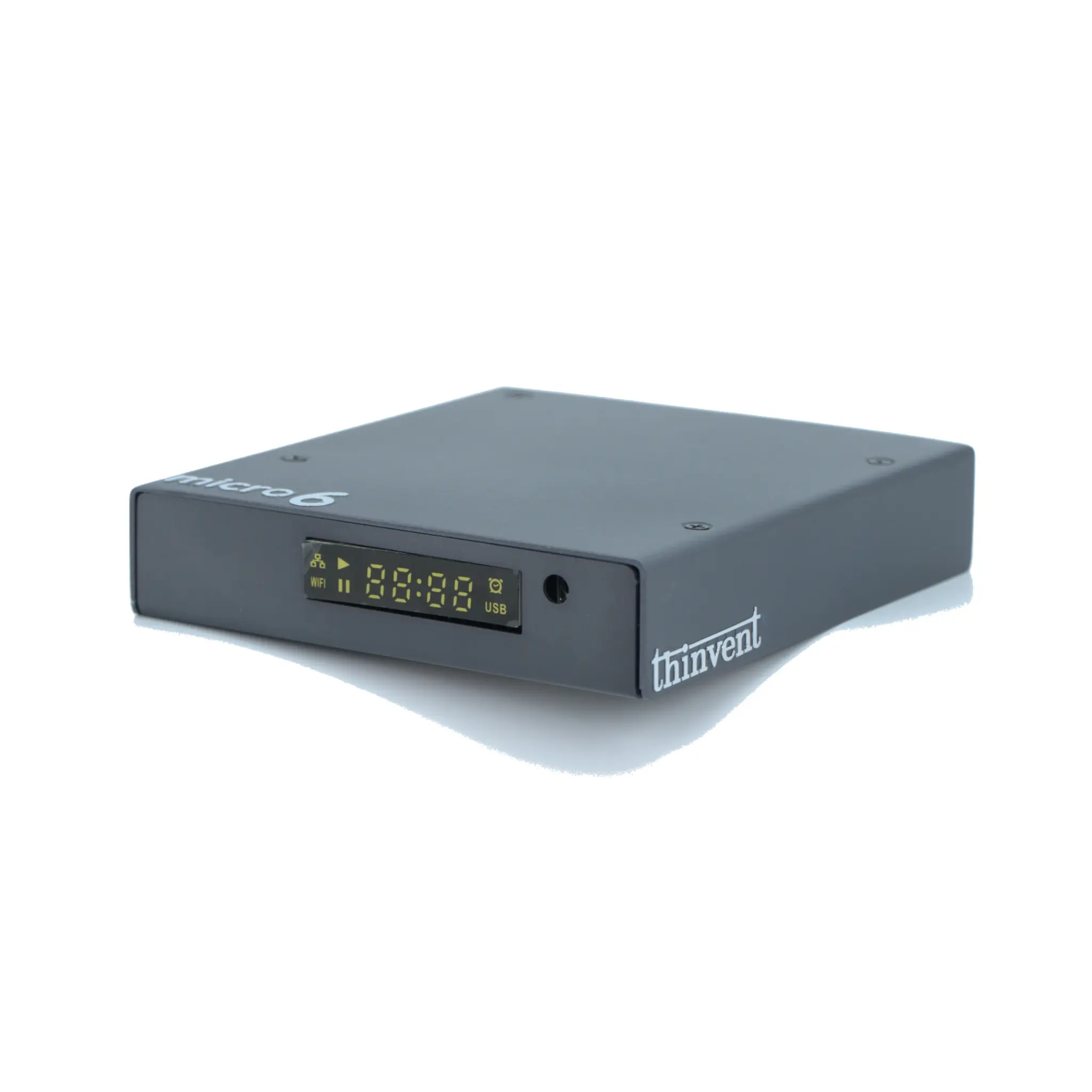
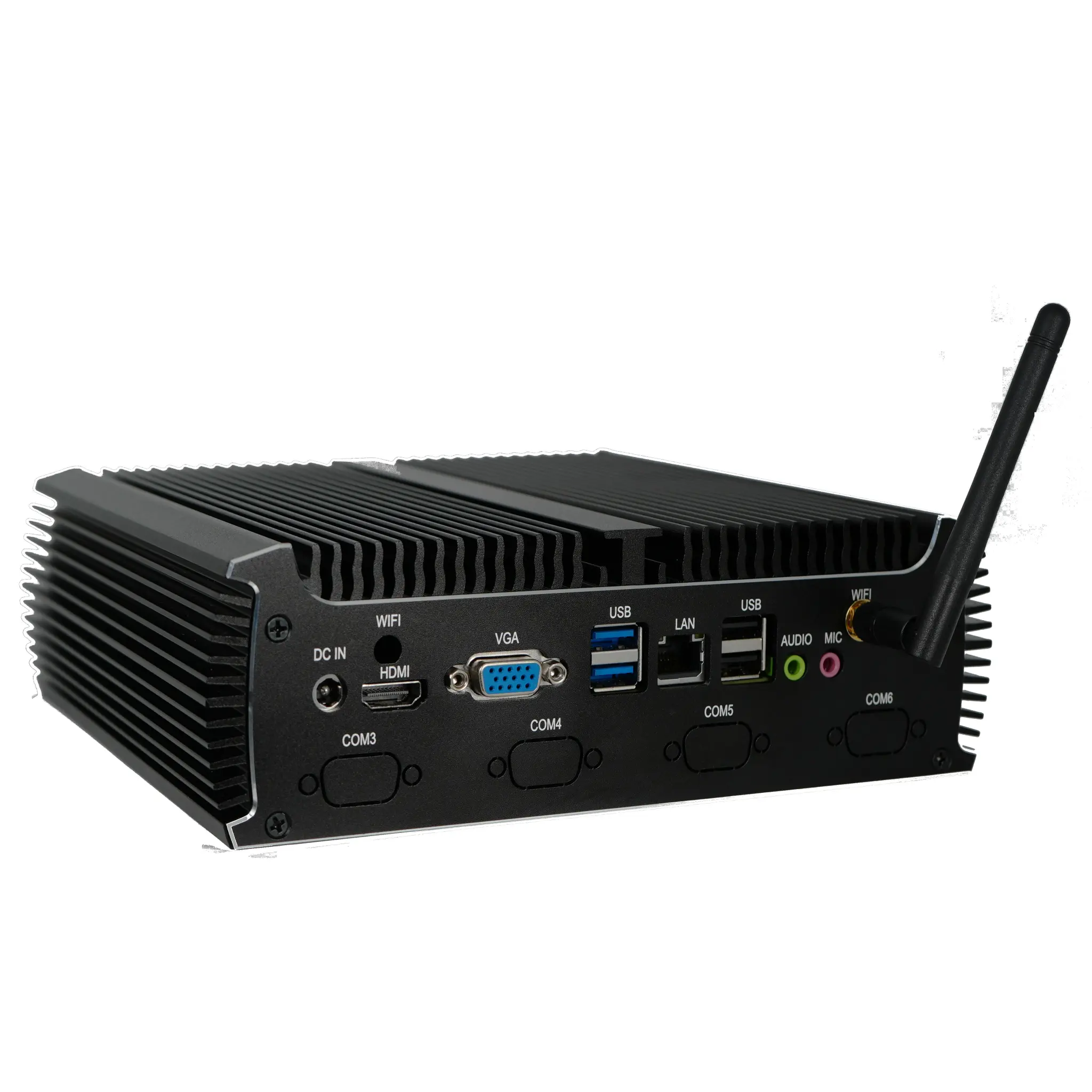
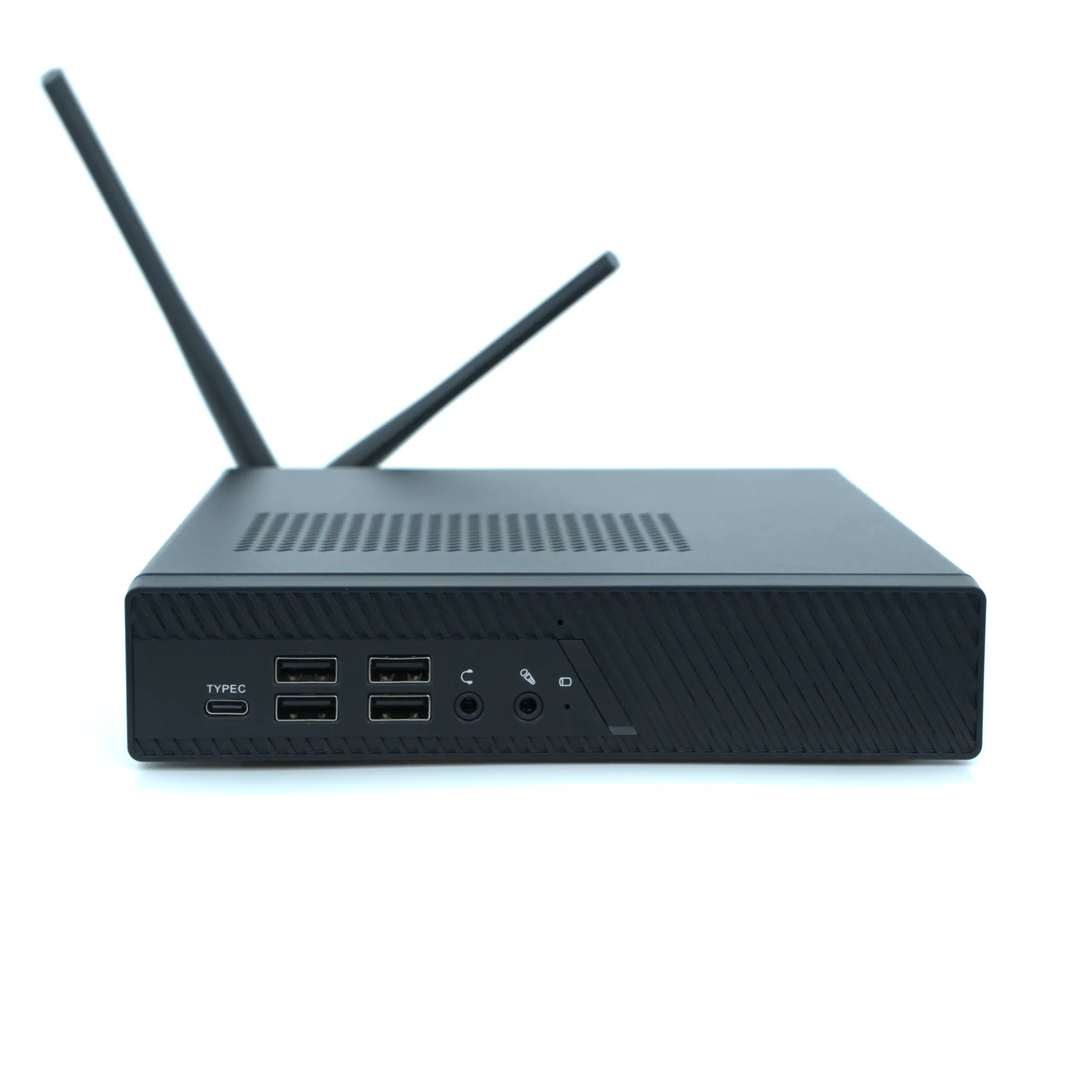
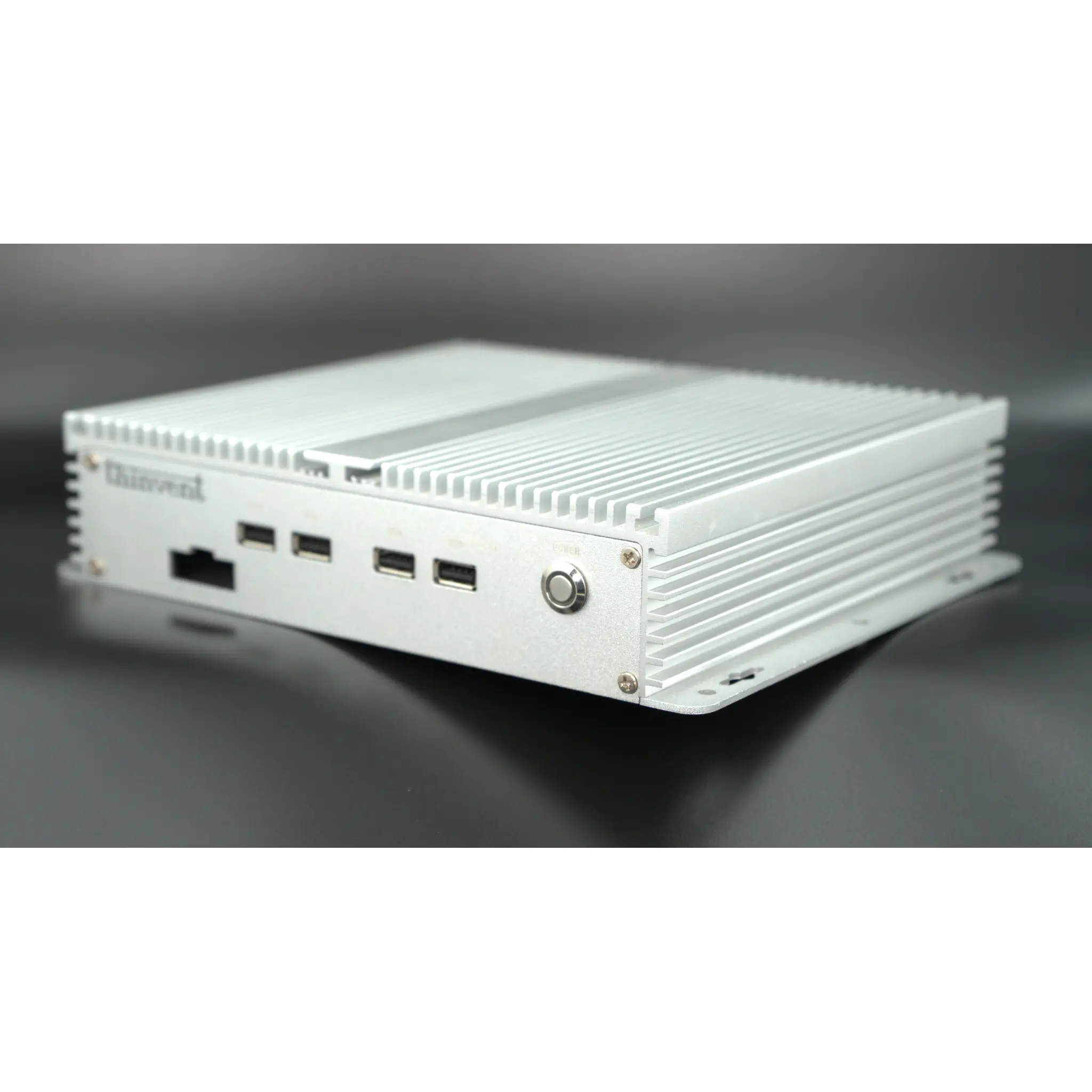
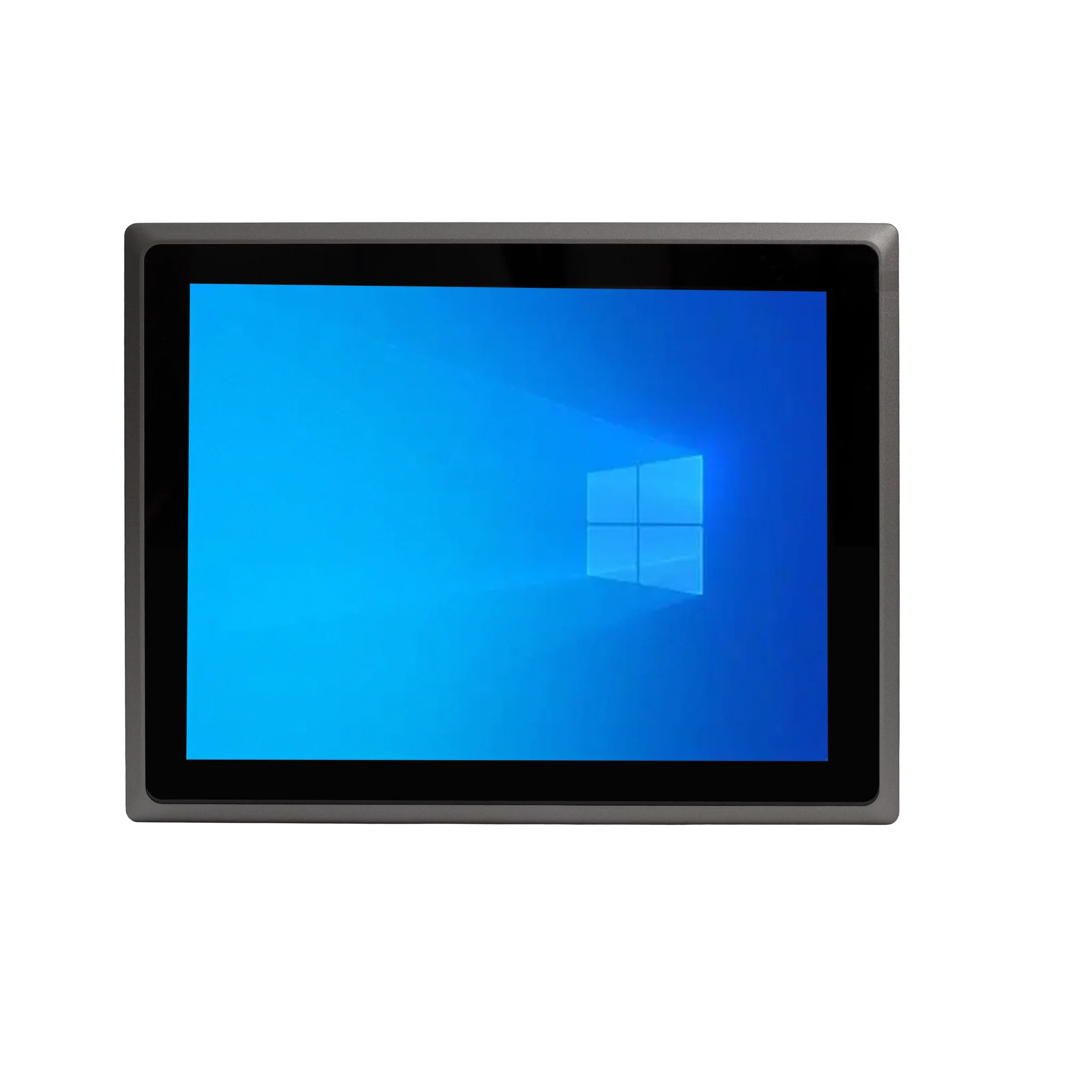
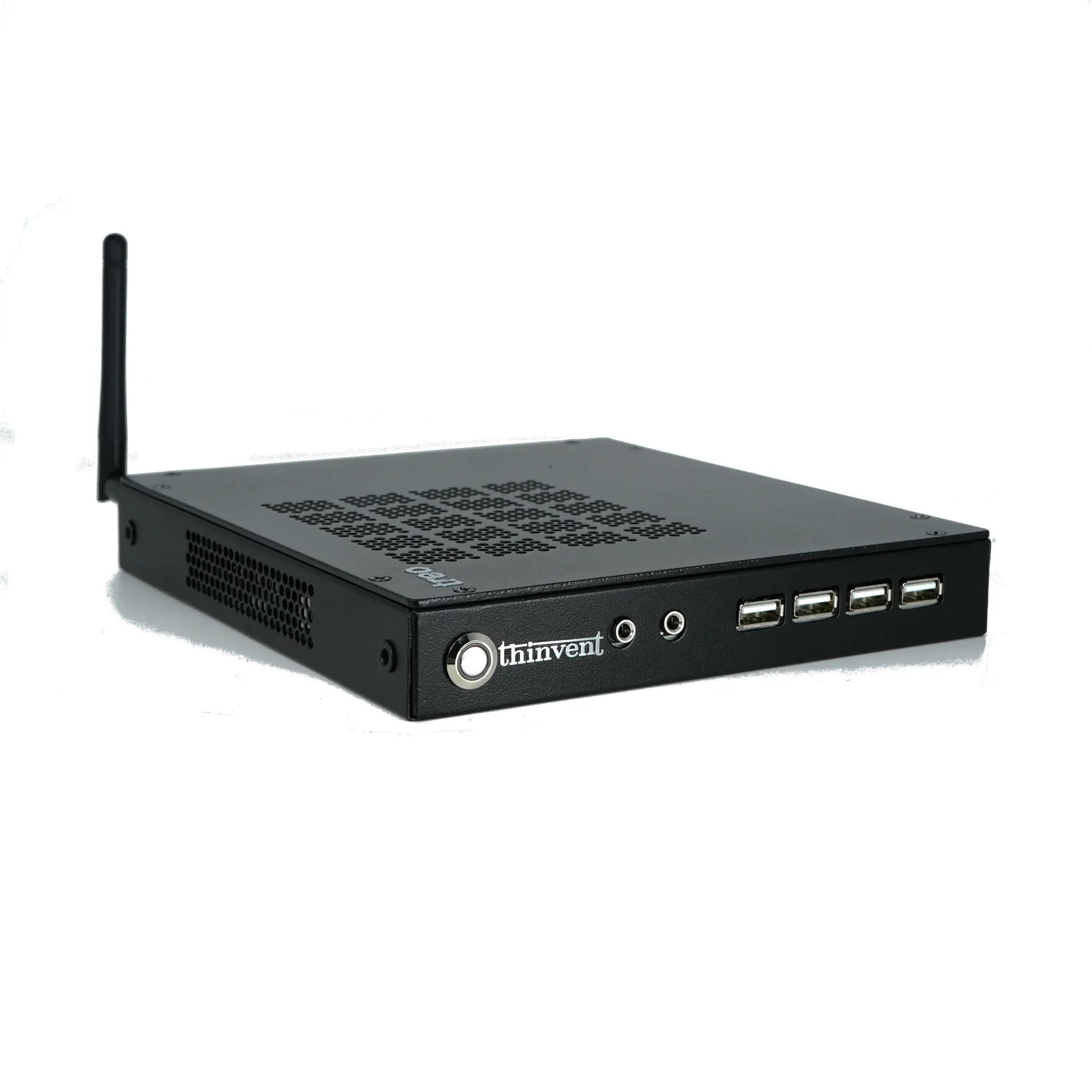
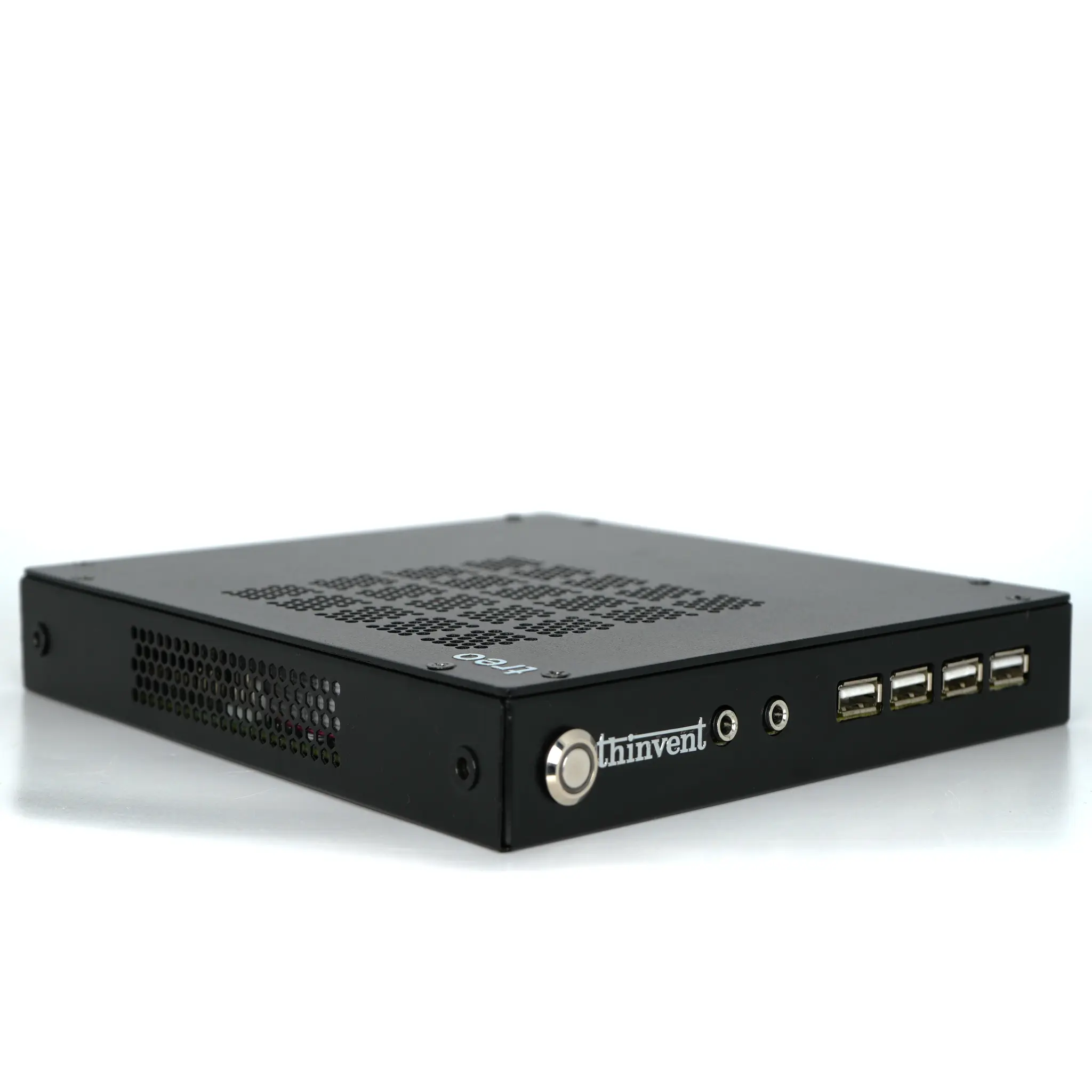
Thinvent integrates these high-performance, industrial-grade CPUs into a range of reliable computing solutions. Our product lines, including the Aero Mini PC series, utilize processors like the Intel N100 to deliver fanless, rugged operation perfect for space-constrained and harsh environments. For more demanding applications, our industrial PCs feature higher-tier Intel Core processors, offering the computational power needed for complex automation and edge analytics. Each system is built for 24/7 reliability, ensuring your operations run smoothly with minimal downtime.