What Makes a Great Compact Home Desktop Computer
A great compact home desktop is one that disappears into your workspace while still handling everything a household throws at it — browsing, office documents, video calls, streaming, light photo and video editing, and the occasional game. The two qualities that matter most are size and sustained performance. A small footprint saves desk space, but it only makes sense if the machine stays fast and quiet under load. Look for a design with efficient cooling, low power draw, and enough connectivity to drive one or two monitors without a docking station.
Key Specifications to Look For
Rather than chasing the highest numbers, match the specification to how the computer will actually be used. Modern low-power Intel® processors (Celeron®, N-series, and 12th generation and newer Core™ i3/i5) deliver a strong balance of responsiveness and efficiency for home use.
| Component | Good for everyday home use | Better for heavier multitasking |
|---|---|---|
| Processor | Intel® N100 / N150 (4 cores) | Intel® Core™ i3-1215U (6 cores, up to 4.4 GHz) or i5 |
| Memory | 8 GB DDR4 | 16 GB DDR4 or more |
| Storage | 256 GB SSD | 512 GB – 1 TB SSD |
| Display output | 1 × HDMI | 2 × HDMI (dual monitor) |
| Networking | Gigabit Ethernet, Wi-Fi | Gigabit Ethernet, Wi-Fi, USB-C |
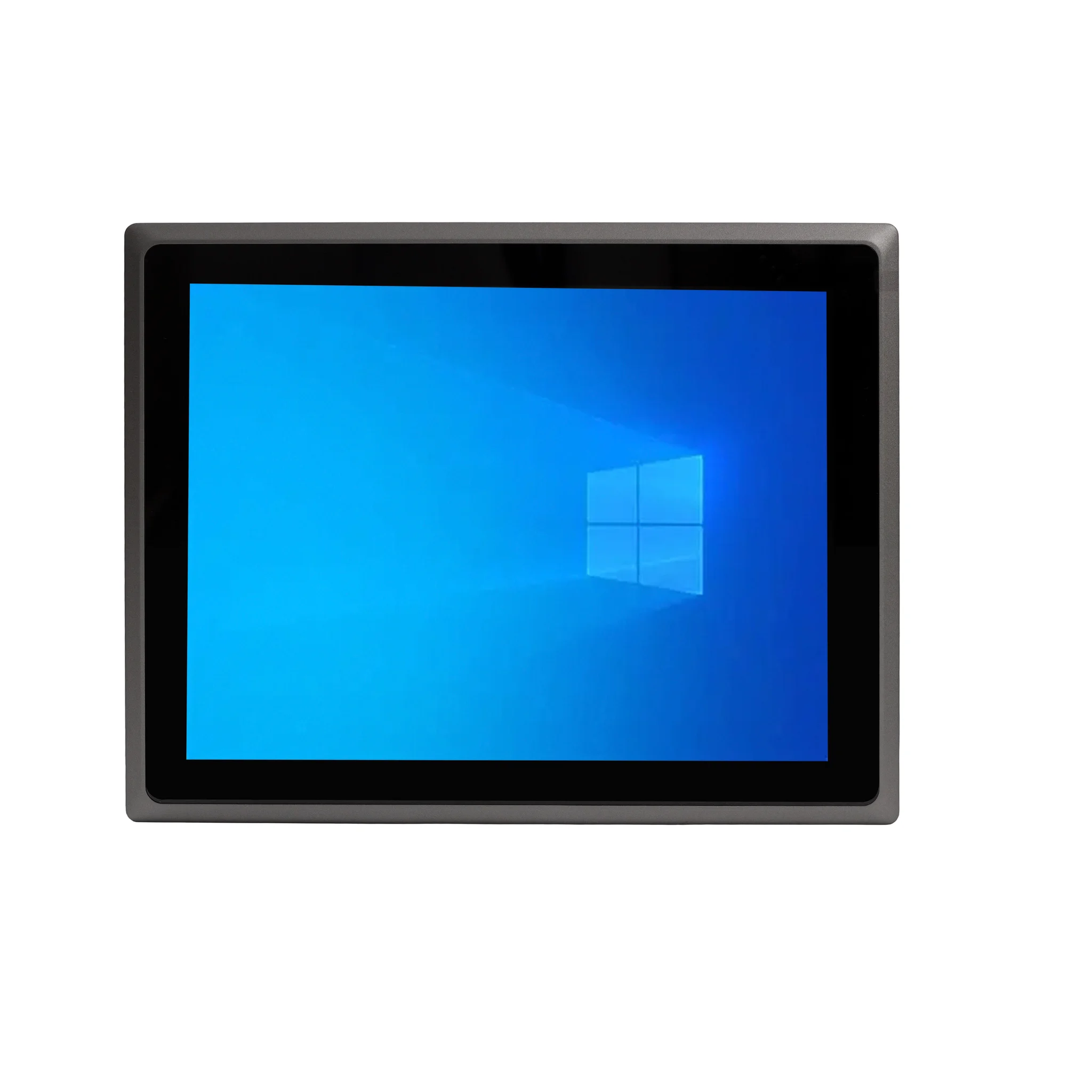
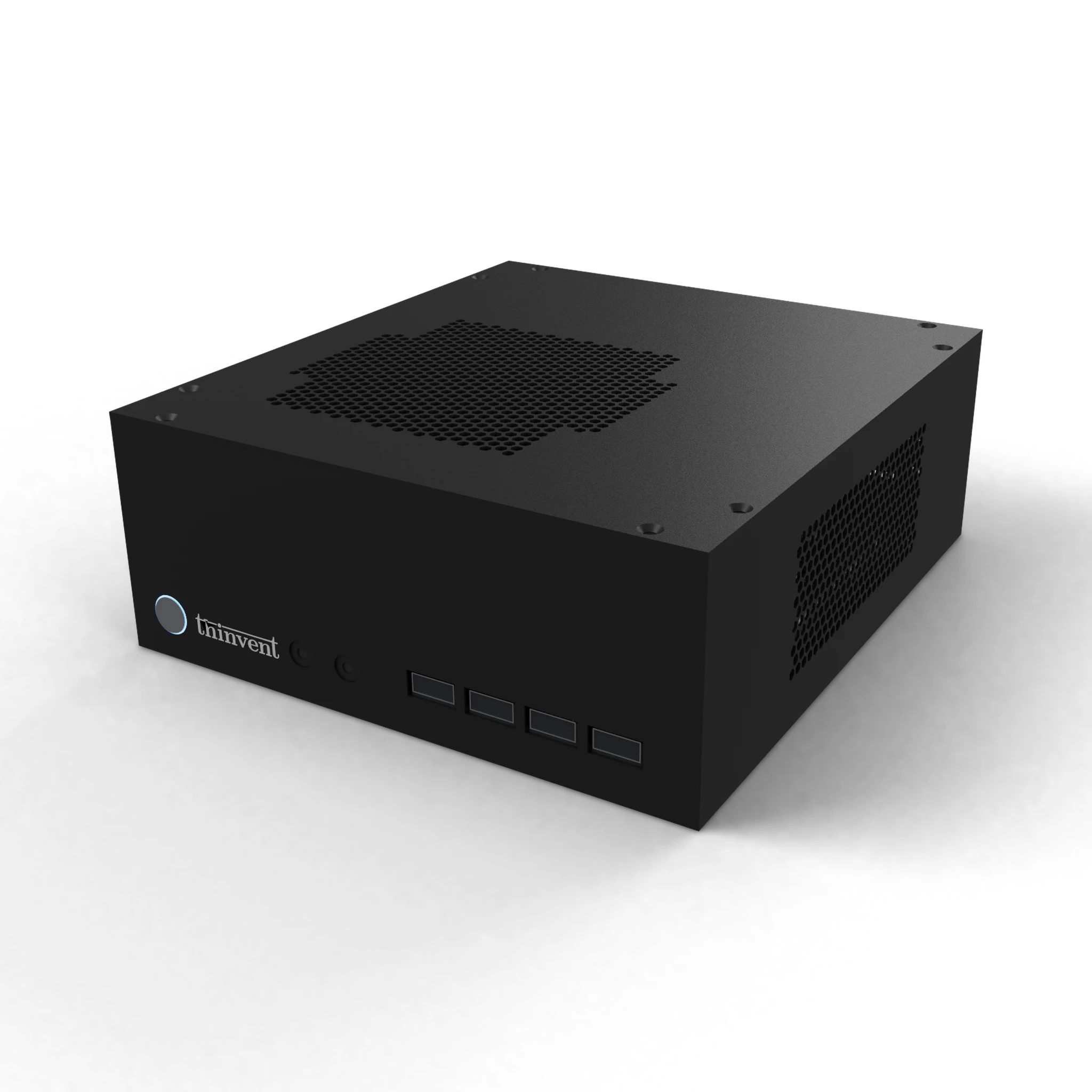
| Form factor | Mini PC or All-in-One | Compact Mini PC with active cooling |
Storage type matters as much as capacity: an SSD makes a bigger day-to-day difference than an extra CPU core. A 256 GB SSD will feel dramatically faster than a 1 TB mechanical drive for boot time, app launching, and updates.
Cooling, Noise, and Reliability
Home computers often run in living rooms, bedrooms, or shared studies, so noise and dust tolerance matter. Fanless and low-RPM designs avoid the whine of a small high-speed fan and remove the main mechanical point of failure. Sealed or filtered chassis resist household dust, and wide-input power designs tolerate the small voltage fluctuations common on domestic circuits. A computer rated for continuous industrial-style operation will simply last longer in a home than a consumer unit built to a price.
Common Home Use Cases
-
Family and study PC — web browsing, video calls, schoolwork, spreadsheets, and printing.
-
Media and streaming hub — 4K video playback connected to a TV over HDMI.
-
Work-from-home desk — dual-monitor productivity, VPN, and remote desktop sessions.
-
Light content creation — photo editing,