What Is a Single Board Computer for Embedded Systems?
A single board computer (SBC) integrates the processor, memory, storage, input/output interfaces and power regulation onto one compact printed circuit board. In embedded systems, the SBC becomes the fixed computing heart of a machine — a kiosk, a medical instrument, a digital sign, an industrial gateway or a production-line controller — rather than a general-purpose desktop that a user opens and upgrades.
When engineers search for the "best" single board computer for embedded use, the deciding factors are rarely raw benchmark scores. What matters is mechanical fit, thermal behaviour, long-term availability, interface count and the ability to run a locked-down operating system reliably for years. A compact board that fits inside a sealed enclosure and survives a hot factory floor is worth far more than a faster board that needs a fan and a filtered airflow path.
Key Specifications to Evaluate
An embedded SBC is defined by a handful of technical characteristics:
| Specification | Why It Matters in Embedded Design |
|---|---|
| Board footprint & mounting | Must fit the enclosure and match existing mounting holes |
| Cooling method | Fanless (passive) designs avoid dust ingress and moving-part failure |
| Processor class | Low-power Intel® Celeron®, N-series or Core™ i3 balance performance and heat |
| Memory | 4–16 GB soldered or SO-DIMM, depending on whether field upgrades are needed |
| Storage | eMMC or M.2/SATA SSD, typically 128 GB to 1 TB |
| I/O | Serial (RS-232/RS-485), USB, HDMI, dual Gigabit Ethernet, GPIO |
| Power input | Wide-range DC input, often 12 V, for industrial supplies |
| Operating system | Windows®, Linux® or a vendor embedded Linux build |
| Operating temperature | Extended range for cabinets, vehicles and plant floors |
Serial ports deserve special attention: many embedded systems still talk to PLCs, weighbridges, barcode scanners and legacy instruments over RS-232 or RS-485, so multiple DB9 or terminal-block COM ports are often the single most important interface on the board.
Use Cases and Applications
Compact SBCs are deployed wherever computing must be embedded inside a larger machine. Typical applications include industrial automation and HMI panels, self-service kiosks and ticketing terminals, digital signage players, laboratory and medical instruments, access-control and surveillance appliances, in-vehicle and fleet systems, and edge gateways that pre-process sensor data before sending it to the cloud.
In these roles the board must start unattended after a power cut, tolerate vibration and temperature swings, and present a stable image to the operating system for many years. Passive cooling, solid-state storage and a fixed bill of materials are therefore more valuable than expandability.
Choosing Between SBC Form Factors
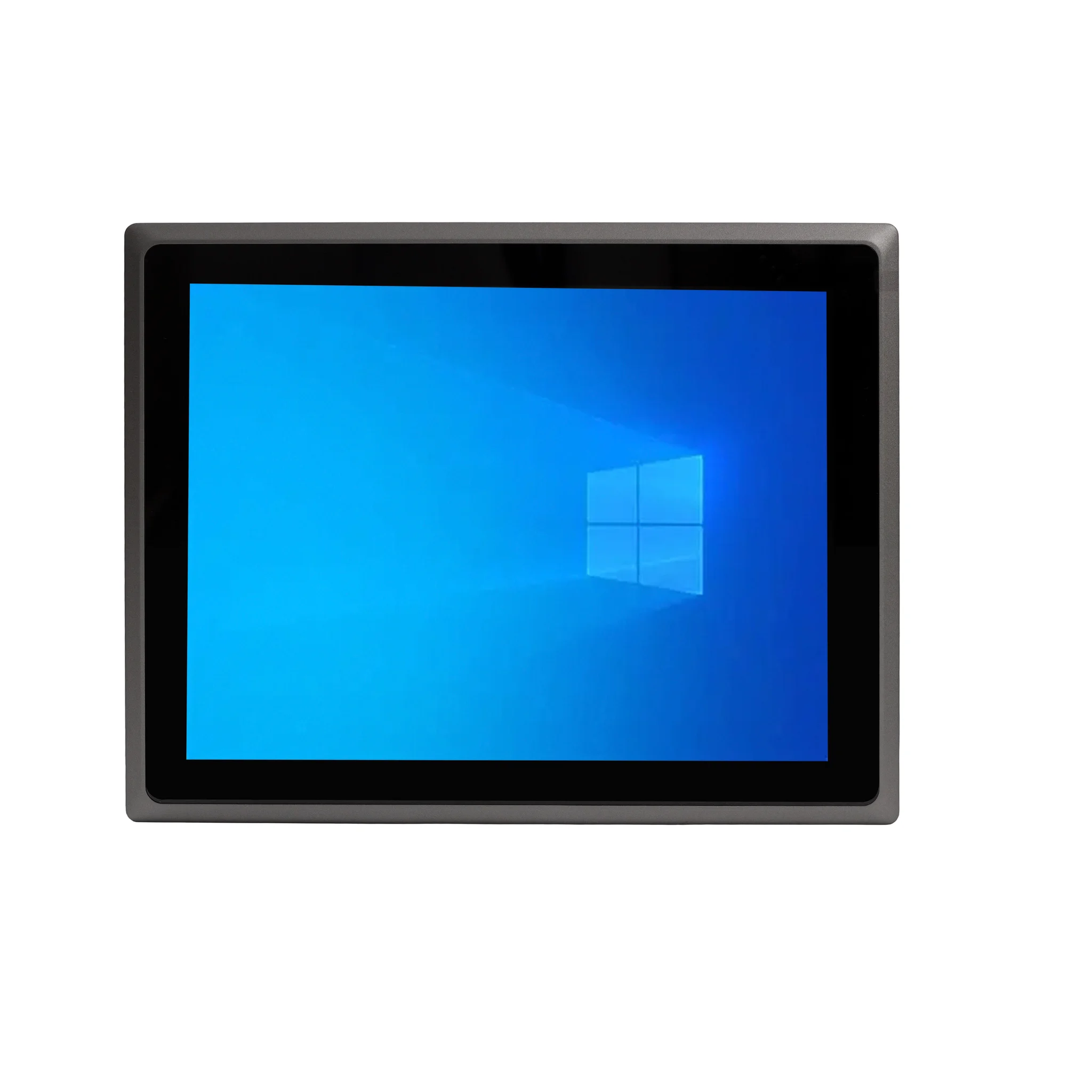
Embedded projects usually choose between three practical paths. A true single board computer offers the smallest footprint and lowest cost, but limited expansion. A fanless industrial mini PC or box PC packages the same electronics in a rugged, mountable chassis with connectors on the outside, which simplifies installation and servicing. An all-in-one panel PC combines the board, display and touch interface for operator-facing stations.
For most industrial and commercial embedded deployments, the boxed industrial PC format delivers the best compromise: compact dimensions, wide-temperature operation, rich serial and network I/O, and a choice of Windows or embedded Linux.
Thinvent Products Featuring This Technology
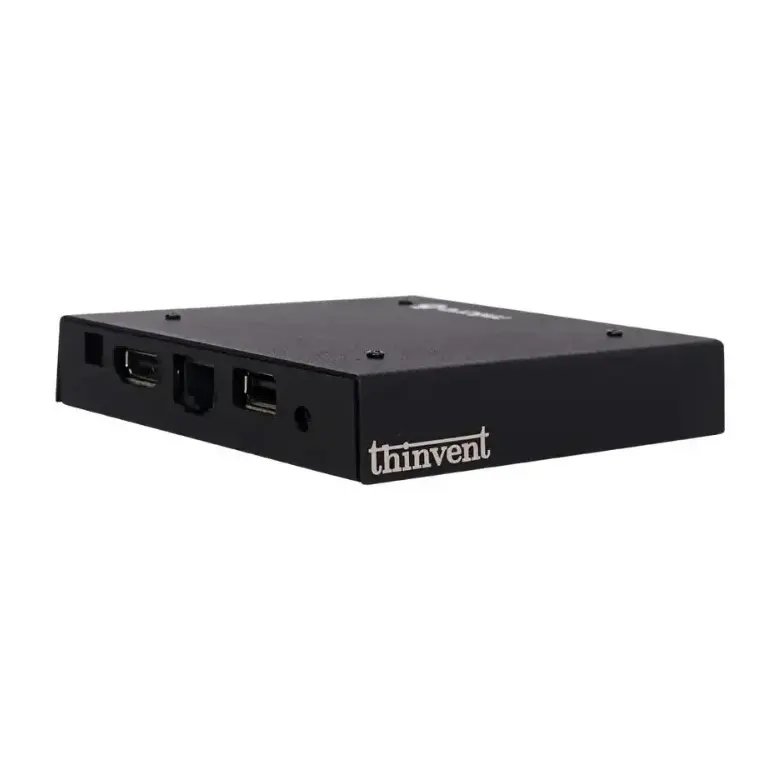
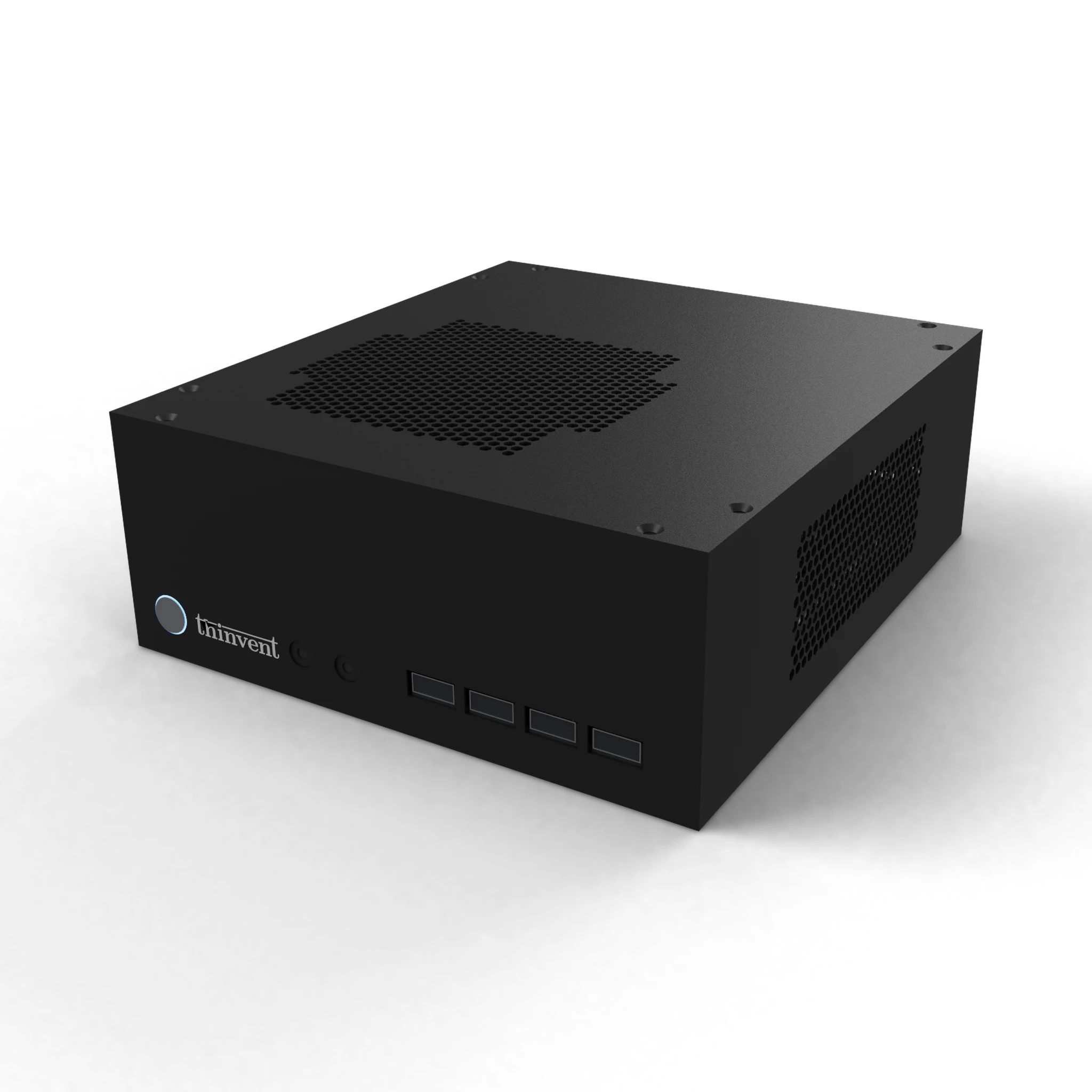
Thinvent builds compact, fanless computing platforms suited to embedded and industrial roles. The Thinvent Industrial PC IPC3 pairs an Intel® Core™ i3-1215U processor (6 cores, up to 4.4 GHz, 10 MB cache) with 16 GB DDR4 memory and a 1 TB SSD, and is available with Windows 11 Pro, Windows 11 IoT, DOS or Thinux™ Embedded Linux. Variants with quad DB9 serial ports support multi-device RS-232/RS-485 installations, while dual Gigabit Ethernet, HDMI and USB 3.2 Gen 2 connectivity cover networking and peripheral needs. For lighter embedded workloads, Thinvent's Intel Celeron® and N-series mini PCs and thin clients provide the same fanless, compact philosophy at lower power.