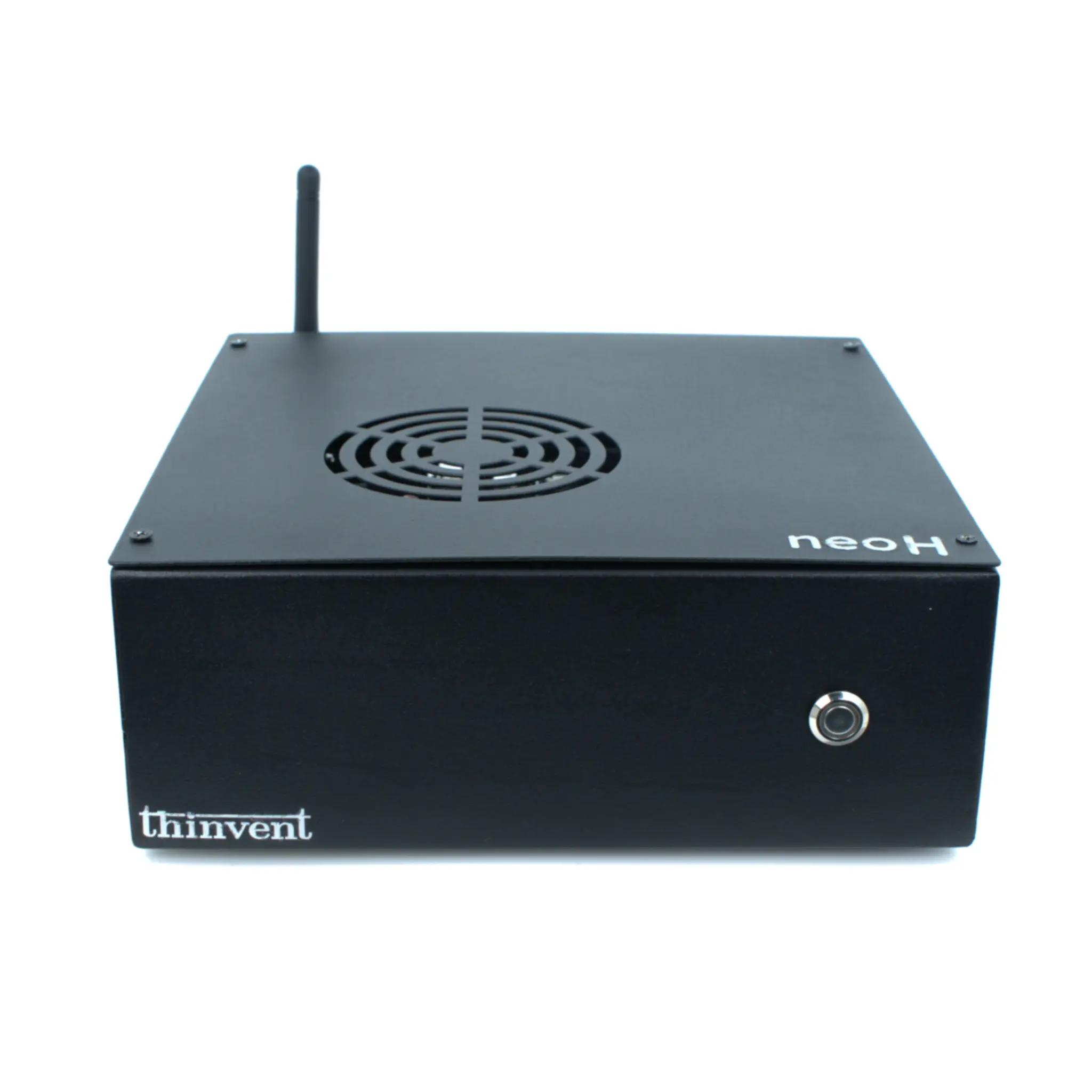
For businesses and developers seeking reliable computing for specialized applications, industrial mini PCs and embedded systems offer a superior alternative to standard consumer components. These compact, ruggedized computers are engineered for 24/7 operation in demanding environments, featuring fanless cooling for silent, dust-resistant performance, wide operating temperature ranges, and robust I/O connectivity for industrial peripherals. They are the ideal foundation for building dedicated systems where reliability, longevity, and space efficiency are paramount.
Key Specifications and Technical Details Industrial-grade mini PCs are defined by their durability and specialized features. Key specifications to consider include:
-
Rugged Design: Fanless, all-metal chassis for silent operation and protection against dust, vibration, and shock.
-
Extended Temperature Range: Certified to operate reliably in wider ambient temperatures (e.g., -20°C to 60°C) compared to commercial PCs.
-
Industrial Connectivity: Multiple Ethernet ports (often with PoE support), serial COM ports (RS-232/485), GPIO, and robust USB and video outputs for interfacing with machinery, sensors, and displays.
-
Long-Term Availability: Processors and core components are guaranteed to be in supply for extended periods, crucial for multi-year project lifecycles.
-
Power Efficiency: Often utilize low-power Intel Core, Intel Processor (N-series), or ARM-based CPUs to minimize heat and energy consumption.
Use Cases and Applications These systems are deployed across various industries for critical tasks:
-
Digital Signage & Kiosks: Driving displays in retail, hospitality, and public spaces.
-
Factory Automation & IIoT: Acting as gateways or controllers on the factory floor, collecting data from PLCs and sensors.
-
Thin Client & VDI: Providing secure, centralized access to virtual desktops in offices, call centers, and healthcare.
-
Embedded Systems: Serving as the brain inside medical devices, transportation systems, and point-of-sale terminals.
-
Edge Computing: Processing data locally in smart cities, retail analytics, and security surveillance.
Choosing the Right Platform: ARM vs. x86 The choice between ARM and Intel x86 architectures depends on the application's requirements.
| Feature | ARM-Based Systems (e.g., Cortex-A55) | Intel x86-Based Systems (e.g., N100, Core i3/i5) |
|---|---|---|
| Best For | Ultra-low power, cost-sensitive, fixed-function embedded apps. | General-purpose computing, legacy Windows apps, higher performance needs. |
| Power/Heat | Exceptionally low, often passively cooled. | Low to moderate, efficiently cooled in fanless designs. |
| OS & Software | Linux-based (Thinux™, Ubuntu), Android. Ideal for custom embedded OS. | Full Windows 11/10, Linux. Broad commercial software compatibility. |
| Performance | Sufficient for lightweight OS, terminal services, and simple logic. | Significantly higher, suitable for data processing, multiple VMs, and complex applications. |
Thinvent Industrial and Embedded Computing Solutions Thinvent specializes in manufacturing a comprehensive range of industrial-grade computing solutions designed for business and embedded deployments. Our portfolio includes robust Industrial PCs (IPCs) built for harsh environments, versatile Mini PCs for space-constrained commercial settings, and ultra-efficient Thin Clients for secure virtual desktop infrastructure. We offer configurations with the latest Intel Core processors (12th to 14th Gen), efficient Intel N-series chips, and power-sipping ARM Cortex platforms. Every system is built with reliability at its core, featuring fanless designs, industrial connectivity options, and support for major operating systems including Windows 11 IoT/Pro, Ubuntu Linux, and our own lightweight Thinux™ Embedded Linux. Whether you need a high-performance edge computing node or a low-power embedded controller, Thinvent provides a scalable, dependable hardware foundation.