What Does "BL" Stand For?
"BL" is a two-letter abbreviation with dozens of possible meanings depending on context, and in computing and electronics it most commonly stands for Bootloader — the small piece of firmware that runs first when a computer powers on and hands control to the operating system. In industrial computing documentation you may also encounter BL as shorthand for Bill of Lading (shipping paperwork), Backlight (display illumination), Boundary Layer (thermal and airflow engineering), or Base Line (a reference configuration in validation testing). Outside of technology, BL is widely recognised as British Library, Boys' Love (a fiction genre), and "bottom line" in accounting.
Because the abbreviation is so overloaded, the practical rule for buyers and engineers is simple: always read BL in the context of the document in front of you. On a datasheet for an industrial computer, a reference to "BL version" or "BL update" almost always concerns firmware and boot behaviour rather than anything to do with the hardware's processor, memory or storage.
BL in Industrial and Embedded Computing
In embedded and industrial systems, the bootloader occupies a privileged position. It initialises memory controllers, storage and peripherals, then loads the OS image. Two bootloaders dominate the field: UEFI/BIOS on x86 platforms, and U-Boot on ARM platforms. A well-designed industrial PC exposes bootloader settings through a protected setup menu so integrators can enable features such as network boot (PXE), watchdog timers, wake-on-LAN, or read-only root filesystems that protect against sudden power loss.
| Term | Typical Expansion | Relevance to Industrial PCs |
|---|---|---|
| BL | Bootloader | Firmware that initialises hardware and starts the OS |
| BL | Backlight | Display brightness control on panel PCs and AIOs |
| BL | Boundary Layer | Airflow and thermal design around fanless enclosures |
| BL | Bill of Lading | Logistics documentation for shipped units |
| BL | Base Line | Reference build used in factory validation |
Why Bootloader Behaviour Matters on the Factory Floor
Industrial deployments rarely shut down cleanly. Machines are powered off at the mains, cabinets lose supply during changeovers, and remote sites reboot without warning. A robust bootloader with a watchdog, a fallback recovery image and configurable boot order keeps equipment running instead of requiring a site visit. This is also why many industrial computers are shipped with a choice of operating systems and, in some cases, no OS at all, so the integrator can deploy their own image and bootloader configuration.
For ARM-based devices, U-Boot is usually the bootloader of choice, and vendors often publish the boot sequence so that customers can customise it. For x86 industrial PCs, the familiar UEFI setup utility serves the same purpose, with options for secure boot, legacy compatibility and boot device priority.
Choosing Hardware That Supports Your Boot and Recovery Strategy
When specifying an industrial computer, confirm three things about the firmware layer: that the bootloader can be locked down or customised, that a recovery path exists if an OS update fails, and that the platform supports the operating system you intend to run. Memory and storage headroom also matter, since recovery partitions and dual-boot setups consume space. A 16 GB RAM and 1 TB SSD configuration leaves ample room for an OS plus a recovery image and application data.
Thinvent Products Featuring This Technology
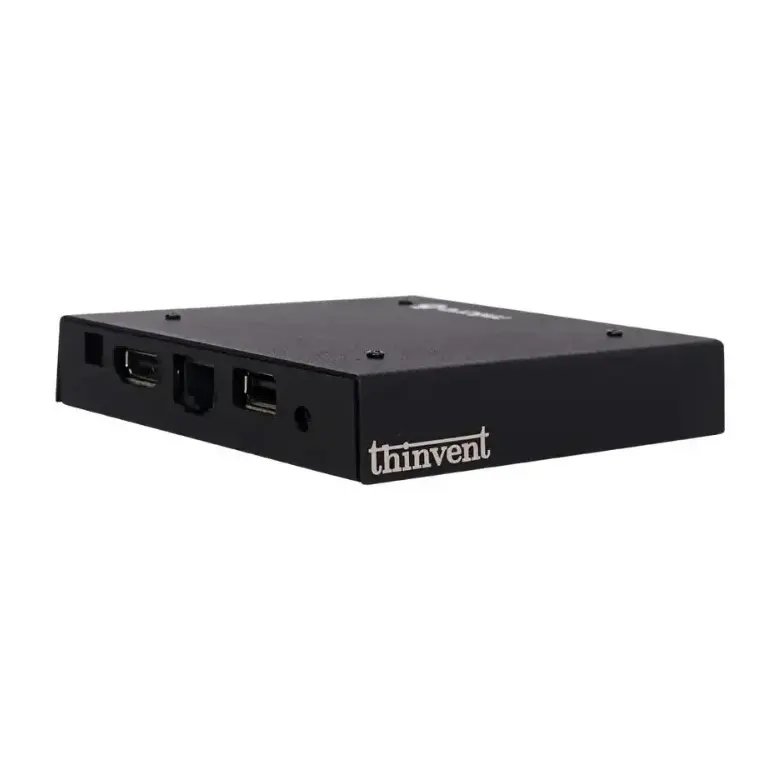
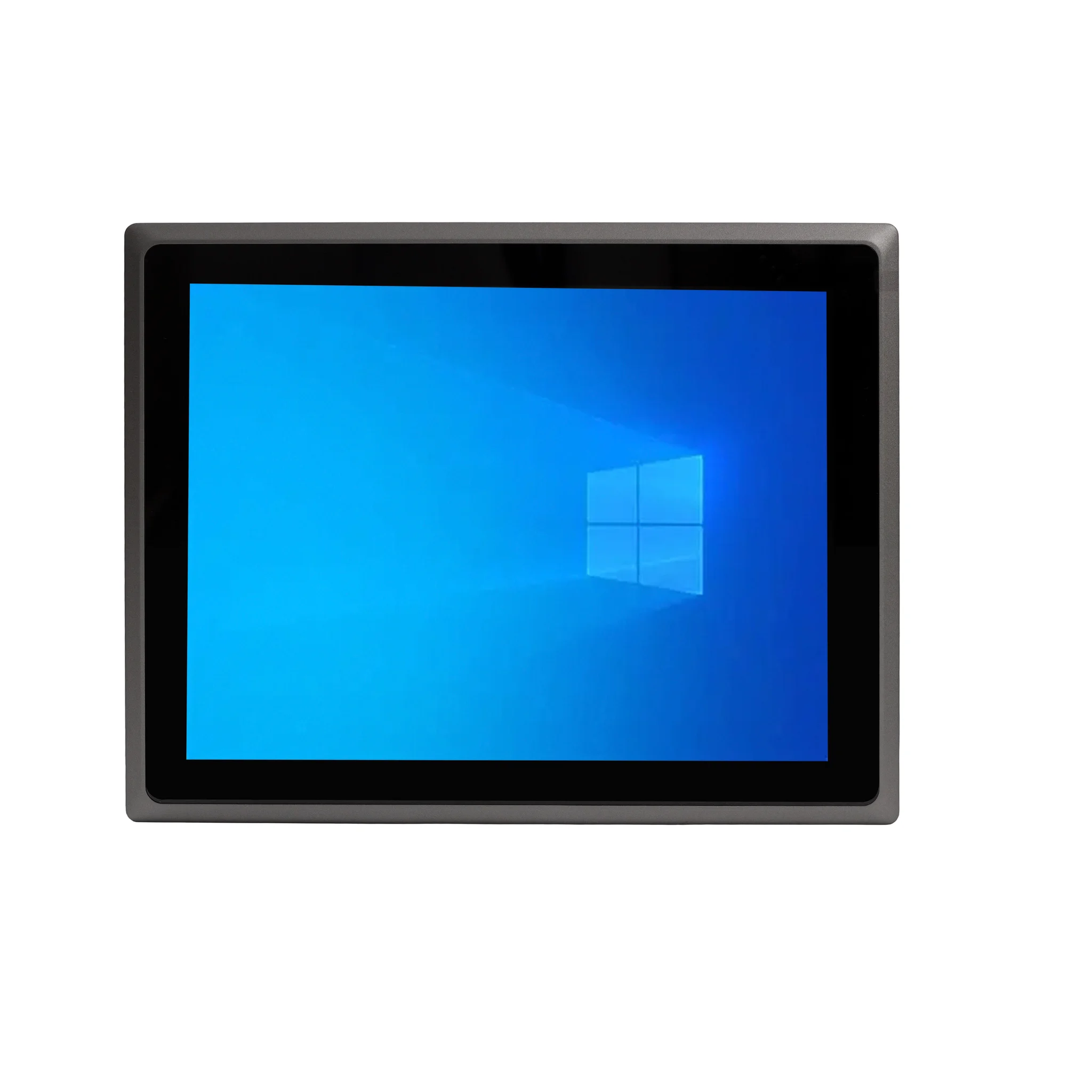
Thinvent's Industrial PC IPC3 range is built for exactly these requirements. Powered by the Intel® Core™ i3-1215U processor (6 cores, up to 4.4 GHz, 10 MB cache) with 16 GB DDR4 RAM and 1 TB SSD, the IPC3 is available with Microsoft Windows 11 Pro, Windows 11 IoT Value, DOS, or Thinux™ Embedded Linux, and can be supplied without an operating system so you can deploy your own image and bootloader configuration. Variants with quad DB9 serial ports support legacy industrial peripherals, while the fanless, dust-tolerant chassis keeps the system running in hot, dirty environments. Thinvent also offers mini PCs, thin clients and all-in-one PCs for deployments where a full industrial enclosure is not required.