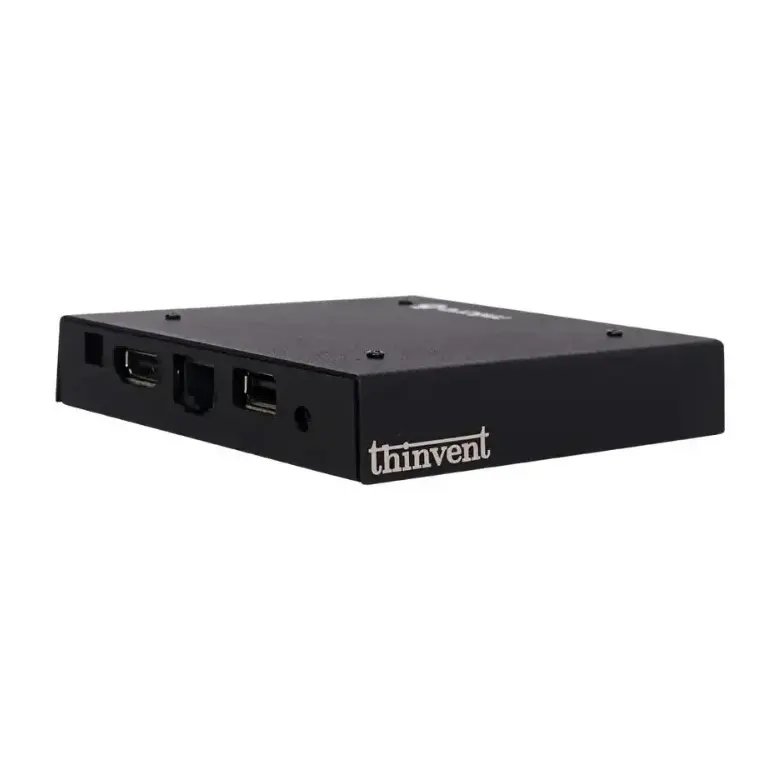
What Are Compact Board Computers?
Compact board computers are specialized, small-form-factor computing devices designed for integration into larger systems or dedicated applications. Unlike standard desktop PCs, they prioritize reliability, low power consumption, and silent, fanless operation in a minimal physical footprint. These systems are built to perform consistently in demanding environments, making them the core processing unit for countless industrial and commercial solutions.
Key Specifications & Technical Advantages
Modern compact board computers offer a wide performance spectrum. Entry-level models often feature efficient ARM processors (like Cortex-A53/A55) with onboard RAM and eMMC storage, consuming minimal power (e.g., 5V/2A). For more demanding tasks, x86-based systems with Intel processors (from the N-series up to Core i5/i7) provide significantly higher computational power, multi-core performance, and support for standard DDR4 RAM and SSDs. Common technical hallmarks across the range include fanless cooling for zero noise and dust resistance, multiple I/O ports (HDMI, USB), and support for various operating systems like embedded Linux (Thinux™), Ubuntu, or Windows IoT/Pro.
Applications & Use Cases
The reliability and compact nature of these computers make them ideal for embedded systems where space, power, and durability are critical.
-
Digital Signage & Kiosks: Powering interactive displays, menu boards, and information terminals in retail, hospitality, and public spaces.
-
Industrial Automation: Serving as controllers for PLCs, HMIs, and monitoring systems on factory floors.
-
Thin Client & VDI: Acting as secure, low-maintenance endpoints for accessing virtualized desktop environments in offices and call centers.
-
Edge Computing & IoT Gateways: Processing data locally from sensors and devices in smart cities, agriculture, and logistics.
-
Medical & Laboratory Equipment: Providing silent, reliable computing inside diagnostic machines and monitoring devices.
Comparison of Common Board Computer Platforms
| Feature | ARM-Based Systems (e.g., Cortex A55) | Intel Low-Power (e.g., N100) | Intel Performance (e.g., Core i5) |
|---|---|---|---|
| Core Use | Basic computing, dedicated apps, thin clients | Balanced performance for general embedded tasks | High-performance computing, complex applications |
| Power Draw | Very Low (≈10W) | Low (≈15-25W) | Moderate to High (≈28W+) |
| Typical OS | Embedded Linux (Thinux™), Android | Linux, Windows IoT, Windows Pro | Windows Pro/Linux, Windows IoT Enterprise |
| Ideal For | Digital signage, simple kiosks, IoT gateways | Advanced kiosks, edge servers, compact workstations | Machine vision, data analysis, industrial PCs |
Thinvent's Range of Compact Board Computers
Thinvent offers a comprehensive portfolio of compact and reliable board computers tailored for diverse embedded needs. Our Micro Series features ultra-efficient ARM-based designs perfect for lightweight, fanless operations in space-constrained environments. For robust performance, the Treo and IPC Series utilize Intel processors like the N100 and Core i3/i5, delivering x86 compatibility in a silent, industrial-grade chassis. Our flagship Aero Series incorporates the latest Intel Core processors for maximum power in a miniaturized footprint. Every Thinvent board computer is engineered for 24/7 reliability, featuring fanless cooling, wide operating temperature ranges, and flexible mounting options to seamlessly integrate into your embedded system solution.