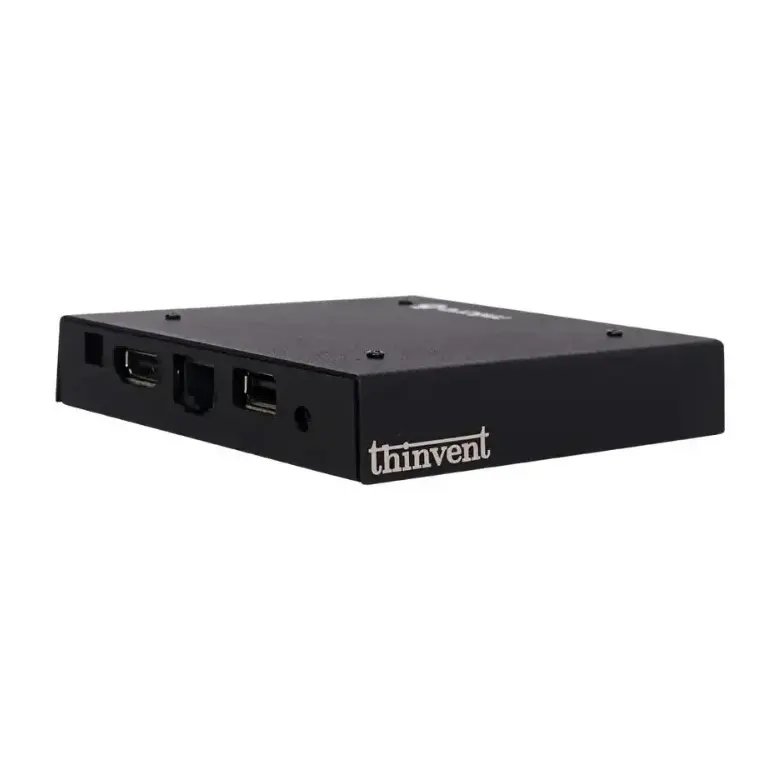
What is a Board Computer?
A board computer, often referred to as a single-board computer (SBC) or a compact industrial PC, is a complete computer built on a single circuit board. It integrates the microprocessor, memory, storage, and I/O interfaces, offering a compact, power-efficient, and reliable computing solution. These devices are designed for seamless integration into larger systems, making them ideal for embedded applications where space, power consumption, and durability are critical factors. Unlike standard desktop PCs, board computers prioritize stability, long-term availability, and operation in varied environmental conditions.
Key Specifications and Technical Details
Modern board computers come in a range of processing architectures and performance tiers. Key specifications to consider include:
-
Processor: Options range from low-power ARM-based processors (like Cortex A53/A55) for basic tasks to high-performance Intel Core i-series and Intel Processor N-series for demanding applications.
-
Memory (RAM): Typically from 2GB to 16GB, with onboard RAM offering better reliability for embedded use.
-
Storage: Utilizes solid-state storage like eMMC or SSDs (128GB to 512GB) for fast, silent, and shock-resistant operation.
-
Power: Designed for low power draw, often using 5V or 12V DC adapters, enabling fanless, silent operation.
-
Operating Systems: Support for embedded Linux (like Thinux™), Ubuntu Linux, or Windows IoT/Pro for software flexibility.
-
Connectivity: Standard I/O includes HDMI, USB ports, and optional features like dual-band WiFi.
Applications and Use Cases
Compact board computers are the backbone of modern embedded systems across industries:
-
Digital Signage & Kiosks: Driving interactive displays and information points in retail, hospitality, and public spaces.
-
Industrial Automation: Serving as controllers for PLCs, HMIs (Human-Machine Interfaces), and machine vision systems on the factory floor.
-
Thin Client & VDI: Acting as endpoints for virtual desktop infrastructure in offices, call centers, and educational institutions.
-
IoT Gateways: Collecting, processing, and transmitting data from sensors and devices in smart city and agricultural applications.
-
Edge Computing: Performing data processing locally in transportation, healthcare, and security systems to reduce latency.
Comparison of Common Board Computer Platforms
| Feature | ARM-Based (e.g., Cortex A55) | Intel Processor N-Series (e.g., N100) | Intel Core i-Series (e.g., i3/i5) |
|---|---|---|---|
| Primary Use | Basic computing, thin clients, lightweight IoT | Balanced performance for general embedded apps | High-performance computing, industrial automation |
| Power Consumption | Very Low (5V typical) | Low to Moderate | Moderate to High |
| Performance Profile | Efficient for lightweight tasks | Excellent for everyday productivity | Powerful for multi-threading & complex tasks |
| Typical OS | Embedded Linux (Thinux™) | Linux, Windows IoT | Windows Pro, Linux |
| Ideal For | Digital signage, simple kiosks, network appliances | Edge computing, advanced kiosks, compact workstations | Machine control, data analysis, demanding VDI hosts |
Thinvent's Range of Board Computers
Thinvent offers a comprehensive portfolio of compact and reliable board computers tailored for diverse embedded needs. Our Micro Series (Micro 5, Micro 6 Pro) features fanless ARM-based designs with onboard memory and storage, perfect for space-constrained, always-on applications like digital signage and thin clients. For more demanding computational tasks, the Treo Mini PC and Industrial PC IPC1 leverage the efficient Intel Processor N100. At the high-performance end, the Industrial PC IPC3/IPC5 and Aero Mini PC series are powered by Intel Core i3, i5, and the latest Core Ultra processors, delivering desktop-level power in an industrial, compact form factor for automation, edge AI, and intensive workloads. All Thinvent board computers are built for reliability and are supported by a choice of operating systems, including our proprietary Thinux™ Embedded Linux.